🍵 15% off · TREAT15   🎁 Gifts from $100
🍵 15% off teas · TREAT15   🎁 Free tea gifts at $100 / $150 / $200

A Little Reward for You

Explore the year-end tea offer →

Make time for a little tea, just for you. Enjoy 15% off eligible teas with code TREAT15, from now through November 30, 2026 (Anywhere on Earth, UTC−12).

More tea to enjoy

  • Spend US$100: a full box of Golden Flower White Tea — 10 individually packed 3g portions, 30g total.
  • Spend US$150: the white tea box, plus one 100g Yunnan Red Glow ripe Pu-erh cake.
  • Spend US$200: both gifts above, plus one 100g The Little Brick — 2018 Golden Flower Fu Brick Tea.

Your first order also comes with a complimentary tea towel. No minimum spend or code is required for this welcome gift, and it can be enjoyed alongside the tea gifts above.

A few simple details

  • Gift thresholds are based on the amount paid for eligible merchandise after discounts, excluding shipping, taxes and gift value. Discovery Boxes and teaware count toward gift thresholds but are excluded from the 15% discount. K KOU electric kettles are excluded from both the discount and gift thresholds.
  • Gift thresholds are in US dollars. Other currencies are converted using the exchange rate applied at checkout; eligibility is based on the corresponding USD merchandise amount.
  • Qualifying gifts are cumulative, with one set per order. The offer can be used on multiple orders; orders cannot be combined to reach a threshold.
  • Standard shipping is US$9.50 per order. Orders qualifying for the existing “No Shipping Fee for Discovery Box” offer receive free shipping, including other items purchased in the same order.
  • The 15% discount combines only with “No Shipping Fee for Discovery Box”; it cannot be combined with other discounts. The gifts described here are part of this promotion.
  • If a gift is unavailable, we may substitute another gift of equal or greater retail value without separate notice.
  • The same offer continues through Singles’ Day, Black Friday and Cyber Monday.

Valuta

Il tuo carrello

Il tuo carrello è vuoto

Tè nero Dianhong classico Golden Buds | Raccolta primaverile, soli germogli puri

Spring-Harvested Pure Buds | All-Gold Dry Leaf | Full-Bodied & Naturally Sweet | Fengqing, Yunnan

Price:
Prezzo di listino $19.20
Prezzo unitario
per
(0 nel carrello)
Flat US$9.50 shipping per order — any order size.

Dispatch within 48 hours. Shipping policy

Spese di spedizione calcolate al check-out.
100% Secure payments
AliPay
American Express
Apple Pay
Bancontact
Google Pay
iDEAL Wero
Mastercard
MB WAY
PayPal
Shop Pay
Union Pay
USDC
Visa
WeChat Pay

Your transaction is protected with advanced security measures to keep your information confidential

Tea profile

  • Tea Type: Black Tea (Dianhong / Dian Hong / Yunnan Red Tea); fully oxidized
  • Harvest Season: Spring (first flush)
  • Material Grade: Pure single buds (Jin Ya / Golden Needle grade); 100% unopened bud tips
  • Cultivar: Yunnan Large-Leaf Cultivar (Camellia sinensis var. assamica, 云南大叶种)
  • Origin: Fengqing County (凤庆县), Lincang City (临沧市), Yunnan Province (云南省), China
  • Geographic Coordinates: Approx. 24.58 degrees North, 99.93 degrees East (Fengqing County center)
  • Elevation Range: 919 m to 3,098 m above sea level (Fengqing County); tea gardens typically sited between 1,500 m and 2,200 m
  • Production Method: Medium oxidation (中度发酵, Zhōng Dù Fā Jiào); precision rolling (揉捻, Róu Niǎn); calibrated drying/firing to fix flavor and convert trichome pigment to gold
  • Dry Leaf Form: Full golden single needles; all-bud, no leaf, no stem
  • Available Sizes: 50g (sample), 100g, 500g, 1,000g
  • Heritage Status: Fengqing Dianhong production technique listed on China's National Intangible Cultural Heritage List (2014) and UNESCO World Intangible Cultural Heritage List (2022)

About this tea

Quando ogni germoglio è stato selezionato a mano nelle valli nebbiose di Fengqing e lavorato al fuoco per trasformare la sua peluria dorata in puro caramello liquido, ecco come appare e come sa una tazza perfetta di Dianhong.

La cosa più rara in un grande Dianhong non è il tè in sé, ma la moderazione necessaria per raccogliere solo il germoglio, nient'altro, e l'abilità richiesta per lavorarlo al fuoco finché ogni filamento dorato sulla sua superficie diventa parte del sapore.

Ciò che lo rende unico

  1. Pura precisione di un solo germoglio: Ogni grammo di questo tè è composto esclusivamente da germogli primaverili non ancora sbocciati — nessuna foglia, nessun gambo — offrendo una ricchezza e una dolcezza naturale che un Dianhong di grado misto semplicemente non può replicare.
  2. Impatto visivo tutto oro: La classica ossidazione media (中度发酵, Zhōng Dù Fā Jiào) trasforma la fine peluria bianca di ogni germoglio in uno splendido manto dorato, rendendo questo tè in foglia uno dei più spettacolari alla vista disponibili sul mercato.
  3. Origine Fengqing, patrimonio riconosciuto dall'UNESCO: Proveniente dalla contea di Fengqing, Lincang — luogo di nascita del Dianhong, una tradizione produttiva iscritta nella Lista del Patrimonio Culturale Immateriale dell'UNESCO nel 2022. Non è un prodotto generico regionale; è la fonte.
  4. Dolcezza naturale, nessuna amarezza: Il materiale di soli germogli, unito a una precisa 揉捻 (Róu Niǎn, arrotolatura/modellatura) e a una tostatura calibrata, trasforma l'elevato contenuto di amminoacidi e zuccheri della cultivar a foglia larga dello Yunnan in un infuso dalla dolcezza naturale eccezionale e senza astringenza.
  5. Il Dianhong di punta di Orientaleaf — standard di qualità comprovato: Questo è il punto di riferimento visivo e commerciale della gamma di tè neri Orientaleaf, scelto appositamente perché offre una prima impressione costantemente straordinaria — nella foglia secca, nella tazza e nel gusto.

La storia dietro questo tè

Fengqing è una contea di cui la maggior parte delle persone fuori dalla Cina non ha mai sentito parlare. Ma se hai mai assaporato una tazza di vero Dianhong — ambra profonda, dolce, con quell'inconfondibile nota calda di miele e malto — allora hai assaporato il risultato di ciò che è iniziato qui nel 1938.

Quell'anno, un pioniere del tè di nome Feng Shaoqiu arrivò nella contea di Shunning (oggi Fengqing) in base a una direttiva di guerra: trovare in fretta un modo per produrre in Cina tè nero di qualità da esportazione. Ci riuscì. L'altitudine di Fengqing (da 919 a 3.098 metri sul livello del mare), la sua latitudine (24,58 gradi nord), i suoi antichi boschi di Camellia sinensis var. assamica — la cultivar a foglia larga dello Yunnan — e la copertura nuvolosa per tutto l'anno creavano condizioni paragonabili a quelle di Assam o Darjeeling. Nel giro di un anno, il primo lotto di Dianhong di Fengqing fu spedito attraverso Hong Kong verso i mercati internazionali. Negli anni Cinquanta veniva inviato come dono diplomatico dello Stato. La frase che circolava all'epoca era schietta: «Una tonnellata di Dianhong per dieci tonnellate di acciaio».

Questo tè — il Golden Buds Classic — si colloca al vertice di quella discendenza.

Ciò che rende un Dianhong a singolo germoglio diverso da un grado standard non è solo la classificazione del grado. Il germoglio è la parte più giovane e concentrata della pianta. Non si è ancora aperto, il che significa che ha accumulato la massima densità di aminoacidi, polifenoli e zuccheri naturali rispetto alla sua massa. Quando il produttore applica la 中度发酵 (Zhōng Dù Fā Jiào, ossidazione media) ai germogli puri, quei composti si trasformano in modo molto specifico: gli zuccheri diventano caramello e miele, gli aminoacidi diventano la struttura dolce e pulita del liquore, e i fini tricomi dorati sulla superficie del germoglio — costituiti da proteine e composti aromatici — fissano un profumo che resiste all'infusione e persiste nella tazza vuota per minuti.

La fase di 揉捻 (Róu Niǎn, arrotolamento) è volutamente delicata. L'obiettivo è dare forma al germoglio senza strapparlo, preservando l'integrità di ogni forma aghiforme e garantendo che l'infuso si rilasci lentamente e in modo uniforme attraverso più infusioni.

Il risultato è un tè che sembra costoso ancora prima di aprire la confezione. Un intero piatto di germogli singoli completamente dorati è qualcosa che la maggior parte dei bevitori di tè non ha mai visto prima. Quell'impatto visivo non è casuale — è la diretta conseguenza di una disciplina di lavorazione che la maggior parte dei produttori non è disposta a mantenere.

Pronto a iniziare il tuo viaggio nel Dianhong?

  • Proveniente dalla Contea di Fengqing, nello Yunnan — la più importante origine storica del Dianhong in Cina, con lo status di Patrimonio Culturale Immateriale UNESCO per le sue tecniche di produzione tradizionali (iscritto nel 2022).
  • Disponibile in diversi formati — dal campione da 50 g fino a 1.000 g per chi beve tè ogni giorno con passione o per un regalo. La qualità della confezione rende ogni formato pronto da regalare.
  • Spedizione mondiale a tariffa fissa — per portare il Fengqing nella tua tazza ovunque tu sia.

Ci sono molti tè neri. C'è solo un luogo che produce il Dianhong come viene prodotto dal 1938, e solo una qualità all'interno di quella tradizione composta interamente da germogli singoli tutti dorati. Se stavi cercando l'unico Dianhong che fa fermare le persone a metà conversazione quando lo vedono nella tazza — è questo.

Aggiungi al carrello e scopri l'originale Dianhong Golden Buds.

Il Golden Buds Classic Dianhong fa parte della Serie Dianhong di Orientaleaf — proveniente dalla Contea di Fengqing, Lincang, Yunnan, e conservato in condizioni di stoccaggio a secco di Xi'an dal suo arrivo. Per maggiori informazioni sulla nostra filosofia di conservazione, visita la pagina sullo stoccaggio a secco di Xi'an.

Explore Tè nero →

Tasting notes

Dry Leaf: Appearance & Aroma

The dry buds are tight, slender needles ranging from 2 to 3 cm in length. The surface is uniformly coated in golden trichomes (茸毛, Róng Máo), which give the batch a full-spectrum gold color — similar in visual effect to a high-grade Darjeeling Silver Tips, but noticeably warmer in hue. No dark or green needles should be visible in a properly processed batch; any such needles represent a mix-in of older leaf material.

The dry aroma is warm and dessert-forward: brown sugar, baked sweet potato, and a clean floral undertone reminiscent of dried osmanthus. There is no smoke, no earthy note, and no detectable green grassiness — all markers of a correctly oxidized and dried Dianhong bud.

Wet Leaf: Post-Brew Appearance & Aroma

After brewing, the buds rehydrate fully and expand to reveal their complete form — even, uniform, intact single needles ranging from deep amber-gold at the tips to rich reddish-brown at the base. The leafy structure is whole and undamaged, confirming gentle 揉捻 (Róu Niǎn, rolling).

The wet leaf aroma intensifies into honey, roasted grain, and warm vanilla, with a secondary layer of dried longan fruit. There is no astringent or green vegetal note in the wet leaf of a properly brewed batch.

Liquor Color

  • First and second steepings: Bright amber with a distinct gold ring at the edge of the cup — a hallmark characteristic of high-grade Dianhong made from pure bud material.
  • Third steeping onward: Deepens toward a clear, warm copper-amber. Remains transparent throughout; no cloudiness.

This color range is comparable to a well-made first-flush Darjeeling liquor, but warmer and more amber-forward rather than greenish-gold.

Mouthfeel

  • Texture: Medium-full body. Not oily in the way of a tip-heavy Yunnan black tea brewed at excessive leaf ratios, but clearly substantial — there is weight and presence in the cup. Comparable to a whole-milk flat white in texture weight, without any dairy character.
  • Sweetness: Exceptionally high natural sweetness on entry. This is the defining characteristic of a pure-bud Dianhong: the bud's high amino acid content — particularly theanine — registers as sweetness without any added sugar.
  • Tannins: Low to moderate. Structural, not gripping. No dry finish.
  • Huigan (回甘, Huí Gān — returning sweetness): Present and persistent. After swallowing, a clean sweetness returns in the throat within 5 to 10 seconds and remains for 1 to 2 minutes.
  • Shengjin (生津, Shēng Jīn — salivation/juiciness): Mild to moderate. The liquor prompts gentle salivation in the mid-palate, adding to the perception of juiciness.

Core Flavor Notes

Primary: Honey, caramel, dried longan, warm malt
Secondary: Osmanthus, roasted grain, light cocoa powder
Tertiary (on cooling): Brown sugar, dried fig, subtle vanilla

For wine drinkers: the flavor profile is closest to an off-dry Viognier or a lightly aged Gewurztraminer — aromatic, generous, and sweet without being cloying, with structural depth that keeps the sweetness interesting.

For specialty coffee drinkers: the closest reference point is a naturally processed Ethiopian coffee (Yirgacheffe or Guji) brewed at low temperature — fruit-forward, honey-heavy, clean.

Empty Cup & Finish

The empty cup retains a persistent honey-floral fragrance for 3 to 5 minutes after the last sip. The finish in the mouth is clean and sweet, with no lingering tannin or astringency. This empty-cup fragrance — known in Chinese tea tasting as 杯底香 (Bēi Dǐ Xiāng, base-of-cup aroma) — is one of the quality markers of a well-processed bud-grade Dianhong and is particularly pronounced in this tea.

Body Sensation / Cha Qi (茶气)

This is a fully oxidized black tea, not a raw pu-erh or green tea. Its Cha Qi (茶气, Chá Qì — the physical sensation produced by a tea after drinking) is warm and grounding rather than stimulating or cooling.

Most drinkers report a pleasant warmth spreading from the stomach outward within 5 to 10 minutes of a full session. The warming sensation is particularly noticeable in the hands, chest, and lower back. There is no jitteriness or sudden energy spike — the effect is smooth, sustained, and comfortable.

  • Cha Qi Intensity: 2.5 / 5
  • Warmth Profile: High — this is an ideal winter morning or cool-weather tea
  • Stimulation Profile: Moderate — caffeine content is relatively high due to the bud-only material, but the high theanine content in the bud moderates the stimulation into a clean, calm alertness


Brewing guide

How to Brew Golden Buds Classic Dianhong

Method 1: Gongfu Style (Recommended for Full Flavor Exploration)

Gongfu brewing (功夫泡法, Gōng Fū Pào Fǎ) uses a high leaf-to-water ratio and short steeping times to unlock each layer of the tea's flavor across multiple steepings. This method gives you the most complete picture of what this tea can do.

  • Vessel: Porcelain gaiwan (盖碗, Gài Wǎn) or small teapot, 80 to 120 ml capacity. White porcelain is ideal for observing the liquor color. A glass gaiwan allows you to watch the golden buds rehydrate in real time.
  • Leaf quantity: 5 to 7 grams per 100 ml of water
  • Water temperature: 90 to 95 degrees Celsius. Do not use a full rolling boil (100 degrees Celsius) — excessive heat will flatten the sweetness and accelerate tannin extraction. If you do not have a temperature-controlled kettle, allow boiling water to rest for 60 to 90 seconds before pouring.
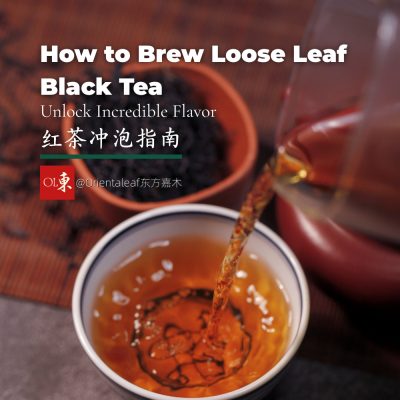
  • Rinse: A quick rinse (润茶, Rùn Chá) of 5 seconds with 90-degree water is optional but recommended for the first session. It wakes the leaf and clears any surface dust.
  • Steeping times:Steeping 1: 10 to 15 secondsSteeping 2: 15 to 20 secondsSteeping 3: 20 to 30 secondsSteeping 4: 30 to 45 secondsSteeping 5 and beyond: add 15 to 20 seconds per additional steeping
  • Expected steepings: 5 to 7 steepings from a single dose before the flavor fades significantly

Method 2: Western Style (Best for Everyday Convenience)

  • Vessel: Teapot, infuser mug, or French press
  • Leaf quantity: 3 to 4 grams per 250 ml of water (approximately one level teaspoon)
  • Water temperature: 90 to 95 degrees Celsius
  • Steeping time: 2 to 3 minutes for the first steeping; 2.5 to 3.5 minutes for a second steeping if desired
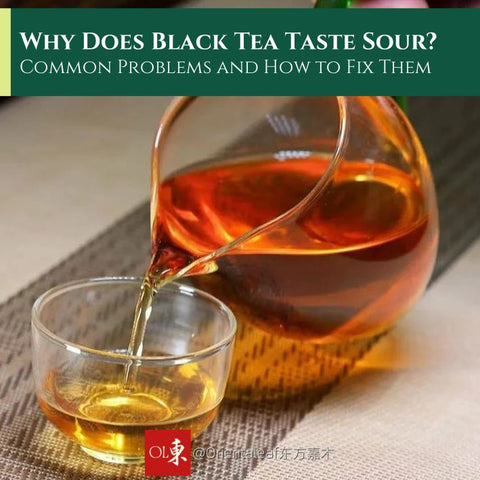
  • Note: Do not over-steep. Beyond 4 minutes at 95 degrees Celsius, the tannins will begin to dominate and the natural sweetness will be overwhelmed. If you prefer a stronger flavor, increase the leaf quantity rather than the steeping time.
Method 3: Cold Brew (Recommended for Summer)

  • Vessel: Glass jar or pitcher with a lid
  • Leaf quantity: 5 to 6 grams per 500 ml of cold, filtered water
  • Water temperature: Cold (room temperature or refrigerator-cold)
  • Steeping time: 8 to 12 hours in the refrigerator
  • No heat required; remove the leaves after steeping and serve over ice
  • The result is an exceptionally smooth, naturally sweet cold tea with no bitterness whatsoever

Water Quality Note (All Methods)

Use filtered, soft, or low-mineral water whenever possible. Hard tap water with high calcium or magnesium content will suppress the sweetness, dull the amber color, and increase perceived astringency. If your local tap water tastes good on its own, it will likely brew a good cup. If it does not, use a filtered alternative.

Storage

Storage Recommendations

Core Storage Requirements

Store your Golden Buds Classic Dianhong in a cool, dry, dark environment. The four conditions that matter most are:

  • Airtight: Oxygen accelerates oxidation of the residual aromatic compounds in the processed leaf, causing the honey and floral notes to fade. Always reseal the bag or tin immediately after use.
  • Away from light: Direct sunlight and fluorescent light degrade chlorophylls and aromatic esters rapidly. Store in an opaque container or inside a cupboard.
  • Away from strong odors: Dry tea leaf is highly porous and will absorb ambient smells from spices, coffee, cleaning products, or other teas. Do not store near a stovetop, spice rack, or open coffee supply.
  • Low humidity: Target a storage environment below 60 percent relative humidity. High humidity causes the leaf to reabsorb moisture, which accelerates microbial activity and can lead to off-flavors or mold in extreme cases.

Recommended Storage Containers

A double-sealed tin (inner paper lining plus outer tin lid) is the most practical option for home storage. Mylar or foil-lined zip bags — as used in specialty coffee storage — are an effective and inexpensive alternative. For larger quantities (500g or 1,000g), divide the tea into smaller portions and only open one portion at a time.

Refrigerator Storage

For long-term storage beyond six months, the refrigerator is a valid option for black tea, provided the tea is sealed in a completely airtight container before being placed inside. Critically, the tea must be brought to room temperature before opening the container — if you open a cold container in a warm kitchen, condensation will form on the leaf and introduce moisture. Allow the sealed container to sit at room temperature for at least 30 to 60 minutes before opening.

Shelf Life

A properly stored Golden Buds Classic Dianhong will retain its primary flavor characteristics for 18 to 24 months from the production date. Unlike raw pu-erh (生普洱, Shēng Pǔ'ěr), which is designed to age and improve over years or decades, this tea is a fully oxidized black tea and is at its flavor peak within the first two years. Drinking it fresh — within 12 months of harvest — will give you the most vibrant honey, floral, and caramel character.

Common Storage Mistakes and Their Consequences

  • Storing in a transparent glass jar on the kitchen counter: Light exposure degrades the aromatic compounds within weeks. The tea will lose its floral and honey top notes first, leaving a flat, malty character with none of the complexity that defines this grade.
  • Leaving the bag loosely folded rather than sealed: Even partial air exposure causes the golden trichomes on the bud surface to oxidize further. Within two to four weeks, the dry fragrance will shift from honey-floral to a dull, papery smell.
  • Storing next to strong-smelling foods or spices: Tea absorbs ambient odors faster than almost any other dry food product. A single week next to an open spice jar can permanently alter the flavor of the leaf. Once absorbed, off-odors cannot be removed.
  • Freezing without a proper airtight seal: Freezing causes moisture in the air inside the container to form ice crystals on the leaf surface. When thawed, this introduces enough moisture to change the leaf chemistry and accelerate staling. Only freeze in a double-sealed, vacuum-packed container if long-term cold storage is genuinely necessary.

Packaging & use

Scan the QR code on the label for tea details and brewing instructions.

Session estimates use a fresh portion of dry tea each time. Each portion can be infused repeatedly.

Customer reviews

Tracked shipping

Tracking after dispatch. Rates & delivery estimates

14-day returns

Request within 14 days; tea must remain sealed. Conditions apply

Here to help

Order or delivery issue? Contact our support team.