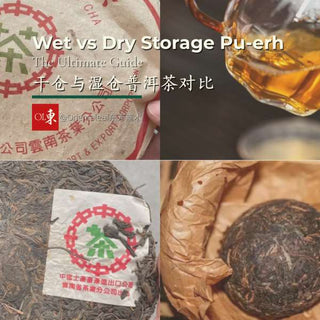
2024 봄 린창 숙성 푸얼 투차: 부드럽고, 달콤하며 순수한


2024 봄 린창 숙성 푸얼 투차: 부드럽고, 달콤하며 순수한
붉은 밝은 술 丨 꿀처럼 달콤한 丨 건조 보관된 순수함 丨 2024 최고의 가치 丨 편리한 투차 형식
- 단가
- / 당
귀하의 거래는 정보를 기밀로 유지하기 위해 고급 보안 조치로 보호됩니다.
장바구니에 상품 추가
-
윈난의 귀중한 린창 지역에서 온 2024년 봄 새로 발효된 숙성 푸얼 차—첫 번째 우려내기부터 부드러운 꿀 같은 복합적인 맛과 선명한 붉은 액체를 전달하며, 완벽한 건조 보관과 뛰어난 일상적인 가치를 자랑합니다.
무엇이 그것을 독특하게 만드는가
-
신선한 봄 수확의 달콤함
2024년 생기 넘치는 봄철 새싹을 사용하여 재배 및 발효되었으며, 자연스러운 꿀과 카라멜 향이 새로운 계절의 숙성 푸얼 차를 오래된 재고와 차별화시킵니다—즉각적인 만족과 품질이 조화를 이룹니다. -
완벽한 건조 보관의 순수함
쿤밍의 최적의 기후에서 보관되어 변질된 맛, 습기 손상 또는 곰팡내가 전혀 없으며, 첫날부터 모든 우려내기에 걸쳐 깨끗하고 순수한 맛을 보장합니다. -
전문적인 발효 기술
수십 년에 걸쳐 정교해진 발효(워두이) 기술로 만들어져 거칠거나 쓴맛, 발효 냄새 없이 실키하고 부드러운 입안 감촉을 구현했습니다. -
일상 음용자들을 위한 뛰어난 가치
매일 마실 수 있는 가격대의 프리미엄급 맛으로, 규칙적으로 음용하기에 이상적이며 새로 푸얼 차의 즐거움을 처음 접하는 사람들에게 신뢰할 수 있는 소개가 됩니다. -
편리한 토차 형식
사전에 100g으로 압축된 케이크(沱茶, 토차) 형태로 쉽게 부수어지고 효율적으로 보관되며, 계량 걱정 없이 일관되게 우려낼 수 있습니다.
이 차의 이야기
윈난 남서쪽에 위치한 린창의 차 산지는 천년 이상 차를 생산해왔습니다. 이 2024년 봄 숙성 푸얼 차를 특별하게 만드는 것은 나이가 아니라 즉각성입니다. 이 차는 2024년 봄에 수확 직후 발효되어 계절의 가장 좋은 표현을 담았습니다: 자연스러운 단맛을 지닌 연한 잎들이 이 유서 깊은 지역의 여러 세대에 걸친 차 장인들에 의해 다듬어진 기술로 처리되었습니다.
발효(워두이) 과정은 신중하게 통제되었으며, 원료 봄철 잎을 실키하고 매끄러운 음용 준비가 된 차로 변화시켰습니다. 이것은 시험적인 첫 시도가 아닙니다—온도와 습도를 몇 주 동안 정밀하게 관리하여 그 독특한 꿀과 카라멜 향을 이끌어낸 검증된 성숙한 발효 방법입니다. 각 단계는 의도적으로 이루어졌으며, 결과물은 실험적이지 않고 자신감 있고 완성도 높은 맛을 제공합니다.
이 배치를 진정으로 돋보이게 만드는 것은 윈난의 성도인 쿤밍에서의 건조 보관(干仓存储, 간창춘추)을 통해 순수성을 유지하려는 확고한 의지입니다. 자연적인 고도에 위치한 쿤밍은 안정적이고 결코 타협을 허용하지 않는 습도 수준을 제공합니다. 각 토차는 이 깨끗한 환경에서 보관되어 신선한 향기를 개발하면서도 잘못 보관된 재고에서 나타나는 곰팡내 나는 박물관 차 풍미를 얻지 않았습니다. 숙성 푸얼 차 초보자들에게 이것은 순수한 즐거움을 의미합니다: 차의 진정한 정체성을 가리는 변질된 맛이나 예상치 못한 문제, 타협이 없습니다.
이 차는 수집가들의 먼지를 모으는 선반을 위한 것이 아니라, 음용자의 컵을 위해 만들어졌으며 규칙적으로 즐길 수 있도록 설계되었습니다. 이 가격대와 품질 수준에서는 몇 년 동안 숙성을 기다릴 필요 없이 프리미엄 윈난의 장인 정신을 경험할 수 있습니다. 내일 우려내고 오늘 충분히 맛보세요. 그리고 나중에 숙성이 필요하다면 이미 그 기반이 마련되어 있습니다.
숙성/익힌 푸얼 차 여정을 시작할 준비가 되셨나요?
이 차를 신뢰해야 하는 이유:
- 건조 보관 전문가들에 의해 검증됨 창고 신화에 대한 추측보다 투명한 맛을 중시하는 분들을 위해
- 인증된 건조 보관 습기 손상이 전혀 없음—순수함을 구입하는 것이지 보관 도박이 아님
- 평생 음용하기에 적합한 가격 프리미엄 발효 차의 세련미와 깊이를 유지하면서도
당신의 완전한 만족 보장:
숙성 푸얼 차가 당신에게 맞는지 확신이 서지 않나요? 여기서 시작하세요. 만약 이 2024년 봄 배치가 숙성 푸얼 차의 부드럽고 달콤한 매력과 신뢰성을 설득시키지 못한다면 저희에게 연락하세요—책임지고 해결해 드리겠습니다.신선한 윈난 장인 정신을 경험할 준비가 되셨나요?
오늘 2024년 봄 린창 숙성 푸얼 차를 주문하고, 이를 일상적으로 즐기는 수천 명의 차 애호가들과 함께하세요. 지금 장바구니에 추가하세요—재고가 한정되어 있으며, 이번 봄 수확이 끝나면 내년까지는 다시 만나기 어렵습니다. -
신선한 봄 수확의 달콤함
-
- Tea Classification: Shou Pu-erh / Ripe Pu-erh (熟普洱茶) — fully fermented, dark tea category
- Production Year: 2024 (freshly fermented, new release)
- Production Method: Post-fermentation via controlled pile fermentation (渥堆发酵 Wò Duī Fa Xiào)
- Harvest Season: Spring 2024 (first flush of the year, highest quality leaves)
- Origin: Lincang Tea Region (临沧茶区), Southwest Yunnan Province, China
- Terroir Profile: Lincang's signature mineral-rich volcanic soil, natural cloud cover elevation (1,000–1,500 meters average), and moderate temperature fluctuations create ideal conditions for sweet, clean, naturally smooth tea profiles without forced aging
- Maturity Stage: Fully fermented and immediately ready-to-drink (drinking window: optimal now through 2026; suitable for light further aging 3–8 years if stored properly, developing subtle mineral and wood complexity)
- Leaf Compression Format: Tuo Tea / Compressed Cake (沱茶 Tuó Chá) — 100g per unit, easy-to-break pressed form
- Available Package Sizes: Single Tuo: 1 cake × 100g. Multi-Pack: 5 cakes × 100g = 500g total (best value for regular drinkers)
- Storage Condition: Dry-Storage / Clean Storage (干仓存储 Gān Cāng Cún Chǔ) in Kunming, Yunnan. Zero off-flavors, zero moisture damage, zero mustiness, zero mold—tea purity is preserved, deterioration prevented
- Appearance Notes: Dark auburn compressed surface with tight, uniform compression; well-defined knot structure indicates professional pressing technique; no visible mold, bloom, or storage damage
-
Appearance & Aroma (Dry Tea)
Visual Profile: Dark auburn compressed cake with tight, even compression throughout. The Tuo surface shows crisp definition with no visible blooming, mold spores, dust accumulation, or storage defects—clear hallmarks of professional dry storage and quality control.
Dry Aroma (before brewing): Earthy foundation with subtle aged-wood spice (sandalwood-like, not musty), layered with clean fermentation notes and whispered honey sweetness. No funk, no off-scents, no chemical persistence—just clean, composed tea aromatics.
Wet Leaf Appearance & Aroma (Post-Brew, Leaf Inspection)
Leaf Unfurling & Condition: Leaves unfurl evenly and substantially by steep 3–4, displaying warm reddish-brown coloring with occasional intact golden tips. No debris, no white powder, no fermentation funk or off-aromatics.
Wet Leaf Aroma (after first infusion): Opens further with hydration—honey fragrance emerges clearly, layered with gentle wood spice, subtle mineral earthiness reflecting Lincang's terroir, and glimpses of caramelized sugar notes building as the leaf releases its essence.
Tea Liquor Color (Brew Appearance)
Color Progression Across Infusions:
- Infusions 1–2: Bright amber-red with full translucency; jewel-like clarity with no cloudiness, sediment, or haze
- Infusions 3–5: Deeper amber-red, moving toward mahogany; maintains crystal-clear transparency
- Infusions 6–8: Rich mahogany-red with orange undertones; still transparent and luminous
Significance: This clarity and color depth demonstrate impeccable dry storage (absence of humidity-induced residue or fermentation byproducts). Compare this to wet-stored ripe Pu-erh, which often displays murky, dull amber tones—you'll immediately notice the difference in purity and light transmissibility.
Mouthfeel & Texture (Body Sensation)
Texture Profile: Silky, velvety, and naturally oily without slickness. Not thin or watery—each sip coats the mouth and throat with rounded, cushioned smoothness. The body is full without heaviness, creating that signature ripe Pu-erh comfort sensation.
Sweetness Development Arc:
- First Contact: Immediate natural sweetness on palate (honey-like, never cloying or sugary-artificial). Sweetness registers as clean and integrated, not spray-coated.
- Mid-Palate Bloom: As you hold the tea in your mouth, sweetness intensifies and evolves—honey transforms into caramel, then brown sugar complexity, building gentle depth.
- Return of Sweetness (回甘 Huí Gān): Approximately 3–5 seconds after swallowing, a wave of returning sweetness blooms in the throat and lingers for 20–40 seconds, inviting the next sip. This rewarding sensation deepens and prolongs across infusions 2–6.
Finish & Mouthfeel Duration: Clean, lingering, zero astringency. No harsh or rough edges—pure comfort. The mouth feels hydrated (not dry or puckered) after each infusion, indicating well-managed tannins during fermentation.
Core Flavor Notes (International Flavor Wheel Integration)
Primary Notes (most prominent, first 3–5 seconds):
- Caramel, honey, brown sugar—natural fermentation sweetness (not added sweeteners, not candy-like)
Secondary Notes (mid-palate complexity, 5–15 seconds):
- Roasted chestnuts, aged leather (soft, not harsh), sandalwood (gentle wood spice)
Tertiary Notes (background depth, entire session):
- Dark chocolate (cocoa undertones, subtle), mineral earthiness (stone/slate echo reflecting high-altitude Lincang terroir)
Mouthfeel Layer: Viscous, creamy sensation on tongue; almost silk-like in suspension; body is substantial yet never cloying
Empty Cup Aroma & Aftertaste (Cup Aromatics & Finish)
Empty Cup Character (aroma remaining in cup after drinking):
- Lingers with gentle sweet wood and caramel notes
- Faint honey fragrance detectable on cup rim
- Zero fermentation funk, zero off-scents—pure continuation of drinking aromatics
Aftertaste Duration & Character: Smooth, persistently sweet finish lasting 30–60 seconds. Complexity remains perceivable (honey transitions to gentle wood spice as aftertaste evolves). No bitterness, no astringency, no mouth drying—signals excellent fermentation control and clean storage.
Complexity Arc Across Full Session: While this is new-season ripe Pu-erh (not aged), the fermentation depth delivers surprising complexity. Each infusion reveals slightly different facets: honey-dominant in infusions 1–2, chocolate-mineral balance in infusions 3–5, subtle mineral-leather in infusions 6–8, gentle sweetness remaining in infusions 9–10. This layering prevents flavor fatigue even across 8–10 brews, distinguishing quality fermented tea from hastily processed versions.
Body Sensation & Chaqi (茶气)
Warming & Comfort Response: This tea generates a gentle, spreading warmth radiating through chest and belly over 15–20 minutes into the session. Not aggressive or overwhelming—ideal for morning clarity or evening comfort without overstimulation. Drinkers often report a sense of ease and gentle revitalization.
Chaqi Intensity Rating (茶气 Chá Qì): 3 out of 5
- Noticeable throughout a full 6–8 cup session
- Not aggressive enough to cause notable sweating or intensity-seeking
- Promotes gentle mental clarity and minor physical activation
- Suitable for daily drinkers seeking tea benefits without overwhelming effect
- Amplified if brewed at higher temperatures (100°C) or longer steeps; modulated at 95°C with shorter times
Hydration & Mouth Sensation: Despite the full mouthfeel and body, this tea hydrates rather than dries the mouth—a hallmark of quality fermentation where tannins have been properly managed (管理 Guǎn Lǐ) during production. Palate remains comfortable and receptive across all 10+ infusions.
Bodily Integration: Subtle sense of inner warmth and gentle grounding. Many regular drinkers report feeling centered, calm, and supported after a full session—not jittery or overstimulated. The chaqi is social and steady, not intrusive or demanding.
-
Question 1: How does the flavor of this 2024 Spring Ripe Pu-erh compare to aged ripe teas, and who should drink it?
This 2024 Spring tea tastes bold and immediate in ways that aged ripe Pu-erh cannot yet match. Ripe Pu-erhs aged 8+ years develop deeper mineral complexity, muted sweetness, and museum-like aromatics as fermentation compounds gradually oxidize and settle. But what they gain in subtle sophistication, they lose in brightness and approachability. Your 2024 Spring Lincang delivers what happens when fermentation is fresh: vivid honey, caramel, and leather notes strike immediately without the museum character some find fatiguing. Think of it this way—aged ripe Pu-erh is a matured wine with resolved complexity; new ripe Pu-erh is a freshly bottled natural wine, more expressive, alive, and welcoming on the palate.
This makes 2024 Spring ideal for three audiences. First, newcomers to ripe Pu-erh: you get immediate pleasure without decoding aged-tea subtlety. Second, daily drinkers: the straightforward sweetness and comfort, plus lower price, make this your accessible go-to. Third, connoisseurs: we know some of you specifically seek new-season ripe for its unfiltered freshness and absence of aging assumptions—this batch delivers exactly that. Will it age well? Yes, clean storage means you can set aside cakes for 5–10 years of subtle development. But most importantly, don't wait to enjoy this tea—drink it now and discover why fresh ripe Pu-erh deserves regular rotation in your daily ritual.
Question 2: Why is dry storage (干仓 Gān Cāng) better than wet storage (湿仓 Shī Cāng) for this tea, and what's the practical difference?
Excellent question—this distinction defines whether you're drinking clean tea or gambling with storage. Wet storage, practiced in humid warehouses to artificially accelerate aging, introduces uncontrolled moisture that causes off-flavors, mold contamination, mustiness, and loss of delicate aromatics. Dry storage, used for this 2024 batch in Kunming, preserves the tea's natural character while allowing subtle, predictable aging to unfold at nature's deliberate pace. Your tea wasn't forced into premature transformation; it was cherished and protected.
In practical sensory terms: open a dry-stored cake from our inventory and you'll smell only sweet wood and honey. Open a wet-stored cake and you'll sometimes detect that basement-like, musty aroma some mistakenly interpret as "age"—actually, it's storage compromise and humidity damage. We chose Kunming's naturally cool, stable climate specifically to avoid this outcome. This tea smells and tastes clean, pure, and true to Lincang's terroir from your first infusion. Additionally, dry-stored tea maintains better color stability, cleaner aromatics, and more predictable aging trajectory. If you store this properly going forward, it will evolve beautifully—not randomly.
Question 3: How many infusions (steeps) can I get from a single 100g Tuo cake, and when should I stop brewing?
Expect 8–12 enjoyable infusions from one 100g cake, depending on brewing method and water temperature. The first 2–3 infusions are boldest—saturated honey and caramel dominate. By infusions 4–8, the tea softens into whisper-quiet mineral sweetness and subtle leather undertones. Even by steep 10–12, you'll detect faint caramel, gentle warmth, and lingering sweetness (not thin, empty brown water). The compression density in our Tuo format helps: the cake breaks cleanly and the leaf re-breaks enable consistent extraction without over-steeping or flavor collapse.
For brewing volume and leaf ratio, aim for 5–7 grams per 100–150ml of water—roughly one-third to one-half of a 100g cake in a typical session. This ratio ensures full flavor extraction without bitterness, astringency, or flat results. Stop brewing when the brew becomes pale and watery (usually around infusion 11–13), indicating the leaf has released its goodness. At that point, compost the spent leaf or save it for a final decoction (煮茶法 Zhǔ Chá Fǎ) to extract remaining body and warmth.
Question 4: Will this 2024 Spring tea become "better" if I store it for 5 years before drinking?
This is where personal preference wins over objective improvement. New-season ripe Pu-erh, like this 2024 Spring tea, is already excellent today—bright, accessible, immediately rewarding. Store it properly for 5 years in dry conditions, and here's the transformation trajectory: the vivid honey mellows slightly, wood spice becomes more prominent and rounded, mineral undertones deepen and integrate further, and the tea's chaqi (茶气) becomes more grounded and contemplative rather than activating.
Do these changes warrant waiting five years? Only if you prefer quiet, evolved teas over expressive, dynamic ones. Many experienced collectors compromise: they split their purchase, drinking half now and setting half aside in sealed storage to compare later. This dual approach gives you both worlds—immediate pleasure today and future discovery in 2029. Since this tea is clean-stored and stable, both paths are fully viable. Your choice depends on whether you value transformation and patience or immediate gratification and present enjoyment. We recommend: try one cup now, fall in love with its brightness, then decide.
-
Brewing Guide: Five Methods for 2024 Spring Lincang Ripe Pu-erh
METHOD 1: Gongfu Tea (Kung Fu) Brewing — Traditional Chinese Method
Best for: Full ritual experience, maximum flavor nuance, experiencing each infusion's personality.
Equipment Needed: Gaiwan (three-piece lidded bowl, 100–150ml) or small teapot, fairness pitcher (公道杯 Gōng Dào Bēi), small tasting cups (40–60ml), gooseneck kettle with temperature control.
Step-by-Step Process:
- Rinse Ritual: Place 5–7g of broken Tuo pieces into your pre-warmed gaiwan. Pour just-boiled water (95–100°C / 203–212°F) to half-full, cover with the lid for 5 seconds, then pour this liquid away. Rinsing removes fine dust particles and awakens the leaf structure.
- First Infusion: Refill to the brim with 95–100°C water, cover, and steep for 8–10 seconds (brief contact because leaf is already activated). Pour all liquid into fairness pitcher, then distribute equally to tasting cups.
- Infusions 2–5: Refill gaiwan and steep for 10–15 seconds. With each successive infusion, add 2–3 seconds—the leaf gradually releases reserved sweetness, so extended steeping compensates for intensity decline.
- Later Infusions (6–10): Extend steep duration to 20–35 seconds. Tea transitions from vivid caramel to softer mineral sweetness, but remains flavorful and rewarding.
- Completion: Finish when liquor becomes pale and watery (usually infusion 10–12). At that point, leaf has surrendered its essence fully.
Water Temperature: Maintain 95–100°C for full body and sweetness expression. Don't cool to 85°C—ripe Pu-erh requires heat to unlock maximized texture and aromatics.
Tea-to-Water Ratio: 5–7 grams per 100ml. Use 7g for stronger preference; 5g for lighter. Adjust to personal taste preference.
METHOD 2: Grandpa Method (杯泡法 Bēi Pào Fǎ) — Casual, Office-Friendly
Best for: No-fuss office brewing, travel, or relaxed home sessions when ritual isn't priority.
Brewing Steps:
- Add Tea Directly: Place 3–5g of Tuo pieces directly into your favorite mug or large drinking glass (200–300ml capacity).
- Pour Hot Water: Fill the mug with 95–100°C water, leave uncovered or loosely covered, and let settle.
- First Sip: After 3–5 minutes (adjust for strength preference), liquor is ready. The leaves continue steeping in your cup, so brew gradually strengthens as you drink.
- Refill Continuously: When cup reaches half-empty, top it up with fresh 95–100°C water. Leaves continue unfurling and releasing flavor for 30–45 minutes of continuous enjoyment.
- Completion: Stop when leaves become exhausted and liquor turns thin and pale.
Leaf-to-Water Ratio: 3–5g per 200–300ml, adjust to preference.
Temperature Maintenance: Keep water at 95–100°C throughout session (use a thermos or electric kettle with hold function).
Flavor Character: Brew tastes slightly earthier and fuller-bodied than Gongfu method because continuous steeping extracts more body compounds and gentle tannins. Sweetness remains prominent but feels integrated into overall profile rather than isolated.
METHOD 3: Western French Press — Visual & Consistent
Best for: Western tea enthusiasts, consistent full-body extraction, leaf appreciation through glass.
Brewing Steps:
- Prepare Equipment: Use a 350ml French press. Pre-heat the empty press with hot water, then discard.
- Add Tea: Place 7–10g of Tuo pieces into the warm press.
- Pour Water: Fill to the brim with 95–100°C water. Water immediately darkens as leaves release color and compounds.
- Steep for 3–4 Minutes: Unlike Gongfu's quick infusions, French press brewing demands a single extended contact. This duration allows complete flavor profile expression.
- Press & Pour: Gently press the plunger down to separate leaf from liquid. Pour full contents into your cup.
- Second Infusion (optional): Refill press with hot water and steep another 4–5 minutes for a second substantial infusion before leaf exhaustion.
Water Temperature: 95–100°C throughout.
Tea-to-Water Ratio: 7–10g per 350ml (higher ratio than Gongfu because single long steep requires adequate leaf volume).
Flavor Result: Extended contact produces a fuller, almost wine-like body with well-integrated sweetness and depth. Many drinkers perceive this as juicier and rounder than Gongfu's individually expressed infusions.
METHOD 4: Gongfu Teapot (小壶泡茶 Xiǎo Hú Pào Chá) — Traditionalist's Method
Best for: Pure tradition lovers, small group sharing (3–4 people), refined ritual experience.
Brewing Steps:
- Select Vessel: Use a small clay or ceramic teapot (100–150ml capacity). Pre-warm with hot water, then empty.
- Load Tea: Add 5–7g of Tuo pieces to the warm pot.
- Rinse Step: Pour hot water, cover, wait 5 seconds, then discard this liquid to rinse and activate leaf.
- First Infusion: Fill pot with 95–100°C water, cover, and steep 10–12 seconds. Pour all liquid into fairness pitcher, then into individual tasting cups.
- Subsequent Steeps: Follow identical pattern to Gaiwan method—8–12 seconds for infusions 2–3, then gradually increase to 20–30 seconds for later brews.
- End Session: Complete after 8–12 infusions when leaf exhaustion is evident.
Water Temperature: 95–100°C consistently.
Leaf-to-Water Ratio: 5–7g per 100ml water.
Flavor Profile: Identical to gaiwan brewing, but many find the teapot's narrower spout creates more elegant pour dynamics and deepens the ritualistic experience.
METHOD 5: Decoction / Cooking (煮茶法 Zhǔ Chá Fǎ) — Comfort & Maximized Body
Best for: Evening sessions, maximum body and warmth extraction, creating tea broth experience, cold-weather drinking.
Brewing Steps:
- Prepare Vessel: Use a small stovetop kettle (600–800ml) or electric kettle with gentle simmer function.
- Add Cold Water & Tea: Place 8–10g of Tuo pieces into kettle filled with 500ml cold water.
- Heat to Boil: Turn heat to medium-high. Once water reaches rolling boil (100°C), reduce heat to low.
- Gentle Simmer: Maintain soft simmer (small bubbles rising continuously, not violent rolling) for 8–12 minutes. Longer simmering develops more body—but don't exceed 15 minutes or over-extraction creates acrid notes.
- Pour & Enjoy: Carefully pour decoction into cup. Leaf settles at bottom.
- Re-brew if Desired: Add fresh water to kettle and re-simmer another 10–15 minutes. You can repeat 2–3 times before leaf exhaustion.
Water Temperature: Start cold, then simmer at 98–100°C during brew.
Leaf-to-Water Ratio: 8–10g per 500ml (higher than other methods because simmering extracts more efficiently).
Flavor Evolution: Boiling releases maximum body and warmth, creating almost creamy, soup-like texture. Sweetness becomes syrupy rather than bright and crystalline. Gentle tannin character emerges (well-rounded, never harsh). This method highlights the tea's comfort and interior warming—ideal for cold evenings or when craving a "hug in a cup" experience.
Storage Recommendations for Long-Term Tea Preservation
Proper storage of your 2024 Spring Lincang Ripe Pu-erh ensures it maintains its current character or develops beautifully over time.
The Three Core Storage Principles (三无原则 Sān Wú Yuán Zé)
PRINCIPLE 1: No Off-Flavors (无异杂味 Wú Yì Zá Wèi)
Store tea away from strong-smelling substances at all costs. Pu-erh's porous cellular structure absorbs and permanently retains odors—once absorbed, off-flavors are nearly impossible to remove.
What to Avoid:
- Spices (cumin, cardamom, strong peppercorns)
- Coffee, cocoa, strong chocolates
- Perfumes, air fresheners, scented candles
- Cleaning products, paints, solvents
- Newly painted or renovated rooms
- Kitchens during active cooking, especially fried or pungent dishes
Best Practices:
- Store in a dedicated shelf or cabinet away from the kitchen
- If your home has strong ambient smells (renovations, strong pets), use opaque airtight containers with sealed lids
- Inspect storage area monthly for emerging odor sources
- If you live in an urban area near restaurants or commercial kitchens, consider interior shelving rather than near windows
PRINCIPLE 2: No Excess Moisture / Dampness (无潮湿 Wú Cháo Shī)
Pu-erh aging depends on gentle, controlled moisture balance. Too much humidity invites mold, mustiness, moisture damage, and fermentation-byproduct buildup. Too little humidity slows aging and can prevent beneficial oxidation.
Ideal Humidity Range: 50–75% relative humidity (RH). This range allows natural aging without moisture damage.
Ideal Storage Locations:
- Interior bedroom closets (stable, dark, dry)
- Pantries far from water sources and appliances
- Interior living-room shelves away from windows
- Air-conditioned offices or studies
- Any space naturally cool and away from moisture fluctuation
Locations to Absolutely Avoid:
- Basements (typically 70–90% humidity, mold-prone)
- Bathrooms (humidity spikes during showers)
- Laundry rooms (water-vapor dense)
- Window sills (temperature and humidity fluctuate dramatically)
- Near plumbing, water heaters, or appliances
- Garages (humidity and temperature swings, chemical exposure)
Humidity Monitoring & Control:
- In naturally humid climates (Southeast Asia, coastal areas, tropical zones), use a digital hygrometer to monitor storage area humidity
- If humidity consistently exceeds 75%, place food-grade silica gel packets (rechargeable variety) inside sealed containers with tea, replacing every 3–6 months
- If humidity drops below 50% in arid climates, seal cakes in bags to trap minimal stable moisture without creating condensation risk
Critical Condensation Warning: Never move tea directly from a cool storage space to a warm room, or from sealed storage to open air. Condensation forms instantly on the tea surface, introducing unwanted moisture. Allow tea to acclimate to room temperature (5–10 minutes) inside its sealed container before opening.
PRINCIPLE 3: No Direct Sunlight (无阳光直射 Wú Yáng Guāng Zhí Shè)
Ultraviolet light degrades tea polyphenols and chlorophyll compounds, causing color fading and flavor loss without corresponding aging benefits.
Critical Directives:
- Store exclusively in darkness: closed shelves, opaque boxes, or interior cabinets
- Avoid south-facing and west-facing windows (peak UV exposure)
- Even indirect window-light during peak daylight hours should be avoided
- Clear glass or translucent containers are acceptable only if stored in completely dark spaces
Best Storage Setups:
- Interior closet shelf (optimal: completely dark, stable, dry)
- Interior bookshelf away from any window
- Dedicated tea cabinet with opaque doors
- Sealed, opaque storage boxes inside darker rooms
CRITICAL WARNING: Never Use a Refrigerator or Freezer
While some tea drinkers mistakenly believe freezing preserves tea, freezing is deeply harmful to ripe Pu-erh:
- Suppresses Aging: Cold temperatures halt natural fermentation and gentle oxidation that develop character and complexity over time
- Introduces Condensation: When tea moves from freezer (−18°C) to room temperature, condensation forms instantly on leaf surface, introducing unwanted moisture that causes mold risk and off-flavors
- Absorbs Food Odors: Porous tea leaves absorb odors from refrigerated foods (garlic, fish, cheese, coffee)—contamination is permanent
- Unnecessary: Ripe Pu-erh is already stable and actually improves with age at room temperature—freezing prevents improvement, doesn't enhance it
Storage Temperature: Room temperature (16–25°C / 61–77°F) is ideal. Pu-erh does not require cool temperatures like some teas. Consistency matters more than coolness.
Optimal Storage Setup Summary
Container Choice:
- Original kraft paper bags (breathable, protective, zero flavor interaction)
- Opaque, food-grade plastic containers with airtight lids
- Avoid clear plastic, any container with strong plastic smell, or anything metallic that can impart phantom metallic notes
Storage Location (in order of preference):
- Interior bedroom closet on a middle shelf (dark, stable, away from moisture and heat sources)
- Interior pantry shelf away from water and appliances
- Interior living-room closet or cabinet
- Shaded interior bookshelf
- Air-conditioned office storage cabinet
Configuration Details:
- Store cakes flat or slightly tilted in original kraft wrapping (wrapping protects from dust while allowing minimal air circulation)
- Organize by purchase date and harvest year so you remember which cakes are newest
- Keep simple written labels or photos: "2024 Spring Lincang, purchased [date], stored [location]"
- Arrange for good air circulation (don't vacuum-seal; allow minimal breathing)
—
Seasonal Adjustments
Monsoon & Rainy Seasons (high ambient humidity):
- Add rechargeable silica gel packets to sealed containers
- Check storage area weekly for signs of visible moisture or mold
- If humidity reaches 80%+, consider moving storage to interior room with lower exposure
Summer Heat (high temperatures):
- Avoid storing near appliances generating heat (ovens, computers, heaters)
- Maintain consistent room temperature via air conditioning if possible
- Don't move tea between extreme temperature zones (risk of condensation)
Winter Dryness (low humidity):
- In arid climates where humidity drops below 40%, seal cakes in food-grade bags or containers to trap minimal stable moisture
- Don't use humidifiers directly on tea; instead, create a more stable microclimate inside sealed containers
Health-Check Schedule: When to Inspect Storage
Open your storage area every 3–6 months to:
- Smell: Detect any off-aromas (mustiness, chemical smell, food contamination)
- Feel: Check for stickiness, dampness, or unusual softness (should feel dry and firm)
- Look: Inspect cakes for visible mold, discoloration, pest damage, or moisture staining
- Assess Environment: Note any changes in room temperature, humidity, smell, or moisture
윈난의 귀중한 린창 지역에서 온 2024년 봄 새로 발효된 숙성 푸얼 차—첫 번째 우려내기부터 부드러운 꿀 같은 복합적인 맛과 선명한 붉은 액체를 전달하며, 완벽한 건조 보관과 뛰어난 일상적인 가치를 자랑합니다.
무엇이 그것을 독특하게 만드는가
-
신선한 봄 수확의 달콤함
2024년 생기 넘치는 봄철 새싹을 사용하여 재배 및 발효되었으며, 자연스러운 꿀과 카라멜 향이 새로운 계절의 숙성 푸얼 차를 오래된 재고와 차별화시킵니다—즉각적인 만족과 품질이 조화를 이룹니다. -
완벽한 건조 보관의 순수함
쿤밍의 최적의 기후에서 보관되어 변질된 맛, 습기 손상 또는 곰팡내가 전혀 없으며, 첫날부터 모든 우려내기에 걸쳐 깨끗하고 순수한 맛을 보장합니다. -
전문적인 발효 기술
수십 년에 걸쳐 정교해진 발효(워두이) 기술로 만들어져 거칠거나 쓴맛, 발효 냄새 없이 실키하고 부드러운 입안 감촉을 구현했습니다. -
일상 음용자들을 위한 뛰어난 가치
매일 마실 수 있는 가격대의 프리미엄급 맛으로, 규칙적으로 음용하기에 이상적이며 새로 푸얼 차의 즐거움을 처음 접하는 사람들에게 신뢰할 수 있는 소개가 됩니다. -
편리한 토차 형식
사전에 100g으로 압축된 케이크(沱茶, 토차) 형태로 쉽게 부수어지고 효율적으로 보관되며, 계량 걱정 없이 일관되게 우려낼 수 있습니다.
이 차의 이야기
윈난 남서쪽에 위치한 린창의 차 산지는 천년 이상 차를 생산해왔습니다. 이 2024년 봄 숙성 푸얼 차를 특별하게 만드는 것은 나이가 아니라 즉각성입니다. 이 차는 2024년 봄에 수확 직후 발효되어 계절의 가장 좋은 표현을 담았습니다: 자연스러운 단맛을 지닌 연한 잎들이 이 유서 깊은 지역의 여러 세대에 걸친 차 장인들에 의해 다듬어진 기술로 처리되었습니다.
발효(워두이) 과정은 신중하게 통제되었으며, 원료 봄철 잎을 실키하고 매끄러운 음용 준비가 된 차로 변화시켰습니다. 이것은 시험적인 첫 시도가 아닙니다—온도와 습도를 몇 주 동안 정밀하게 관리하여 그 독특한 꿀과 카라멜 향을 이끌어낸 검증된 성숙한 발효 방법입니다. 각 단계는 의도적으로 이루어졌으며, 결과물은 실험적이지 않고 자신감 있고 완성도 높은 맛을 제공합니다.
이 배치를 진정으로 돋보이게 만드는 것은 윈난의 성도인 쿤밍에서의 건조 보관(干仓存储, 간창춘추)을 통해 순수성을 유지하려는 확고한 의지입니다. 자연적인 고도에 위치한 쿤밍은 안정적이고 결코 타협을 허용하지 않는 습도 수준을 제공합니다. 각 토차는 이 깨끗한 환경에서 보관되어 신선한 향기를 개발하면서도 잘못 보관된 재고에서 나타나는 곰팡내 나는 박물관 차 풍미를 얻지 않았습니다. 숙성 푸얼 차 초보자들에게 이것은 순수한 즐거움을 의미합니다: 차의 진정한 정체성을 가리는 변질된 맛이나 예상치 못한 문제, 타협이 없습니다.
이 차는 수집가들의 먼지를 모으는 선반을 위한 것이 아니라, 음용자의 컵을 위해 만들어졌으며 규칙적으로 즐길 수 있도록 설계되었습니다. 이 가격대와 품질 수준에서는 몇 년 동안 숙성을 기다릴 필요 없이 프리미엄 윈난의 장인 정신을 경험할 수 있습니다. 내일 우려내고 오늘 충분히 맛보세요. 그리고 나중에 숙성이 필요하다면 이미 그 기반이 마련되어 있습니다.
숙성/익힌 푸얼 차 여정을 시작할 준비가 되셨나요?
이 차를 신뢰해야 하는 이유:
- 건조 보관 전문가들에 의해 검증됨 창고 신화에 대한 추측보다 투명한 맛을 중시하는 분들을 위해
- 인증된 건조 보관 습기 손상이 전혀 없음—순수함을 구입하는 것이지 보관 도박이 아님
- 평생 음용하기에 적합한 가격 프리미엄 발효 차의 세련미와 깊이를 유지하면서도
당신의 완전한 만족 보장:
숙성 푸얼 차가 당신에게 맞는지 확신이 서지 않나요? 여기서 시작하세요. 만약 이 2024년 봄 배치가 숙성 푸얼 차의 부드럽고 달콤한 매력과 신뢰성을 설득시키지 못한다면 저희에게 연락하세요—책임지고 해결해 드리겠습니다.
신선한 윈난 장인 정신을 경험할 준비가 되셨나요?
오늘 2024년 봄 린창 숙성 푸얼 차를 주문하고, 이를 일상적으로 즐기는 수천 명의 차 애호가들과 함께하세요. 지금 장바구니에 추가하세요—재고가 한정되어 있으며, 이번 봄 수확이 끝나면 내년까지는 다시 만나기 어렵습니다.
- Tea Classification: Shou Pu-erh / Ripe Pu-erh (熟普洱茶) — fully fermented, dark tea category
- Production Year: 2024 (freshly fermented, new release)
- Production Method: Post-fermentation via controlled pile fermentation (渥堆发酵 Wò Duī Fa Xiào)
- Harvest Season: Spring 2024 (first flush of the year, highest quality leaves)
- Origin: Lincang Tea Region (临沧茶区), Southwest Yunnan Province, China
- Terroir Profile: Lincang's signature mineral-rich volcanic soil, natural cloud cover elevation (1,000–1,500 meters average), and moderate temperature fluctuations create ideal conditions for sweet, clean, naturally smooth tea profiles without forced aging
- Maturity Stage: Fully fermented and immediately ready-to-drink (drinking window: optimal now through 2026; suitable for light further aging 3–8 years if stored properly, developing subtle mineral and wood complexity)
- Leaf Compression Format: Tuo Tea / Compressed Cake (沱茶 Tuó Chá) — 100g per unit, easy-to-break pressed form
- Available Package Sizes: Single Tuo: 1 cake × 100g. Multi-Pack: 5 cakes × 100g = 500g total (best value for regular drinkers)
- Storage Condition: Dry-Storage / Clean Storage (干仓存储 Gān Cāng Cún Chǔ) in Kunming, Yunnan. Zero off-flavors, zero moisture damage, zero mustiness, zero mold—tea purity is preserved, deterioration prevented
- Appearance Notes: Dark auburn compressed surface with tight, uniform compression; well-defined knot structure indicates professional pressing technique; no visible mold, bloom, or storage damage
Appearance & Aroma (Dry Tea)
Visual Profile: Dark auburn compressed cake with tight, even compression throughout. The Tuo surface shows crisp definition with no visible blooming, mold spores, dust accumulation, or storage defects—clear hallmarks of professional dry storage and quality control.
Dry Aroma (before brewing): Earthy foundation with subtle aged-wood spice (sandalwood-like, not musty), layered with clean fermentation notes and whispered honey sweetness. No funk, no off-scents, no chemical persistence—just clean, composed tea aromatics.
Wet Leaf Appearance & Aroma (Post-Brew, Leaf Inspection)
Leaf Unfurling & Condition: Leaves unfurl evenly and substantially by steep 3–4, displaying warm reddish-brown coloring with occasional intact golden tips. No debris, no white powder, no fermentation funk or off-aromatics.
Wet Leaf Aroma (after first infusion): Opens further with hydration—honey fragrance emerges clearly, layered with gentle wood spice, subtle mineral earthiness reflecting Lincang's terroir, and glimpses of caramelized sugar notes building as the leaf releases its essence.
Tea Liquor Color (Brew Appearance)
Color Progression Across Infusions:
- Infusions 1–2: Bright amber-red with full translucency; jewel-like clarity with no cloudiness, sediment, or haze
- Infusions 3–5: Deeper amber-red, moving toward mahogany; maintains crystal-clear transparency
- Infusions 6–8: Rich mahogany-red with orange undertones; still transparent and luminous
Significance: This clarity and color depth demonstrate impeccable dry storage (absence of humidity-induced residue or fermentation byproducts). Compare this to wet-stored ripe Pu-erh, which often displays murky, dull amber tones—you'll immediately notice the difference in purity and light transmissibility.
Mouthfeel & Texture (Body Sensation)
Texture Profile: Silky, velvety, and naturally oily without slickness. Not thin or watery—each sip coats the mouth and throat with rounded, cushioned smoothness. The body is full without heaviness, creating that signature ripe Pu-erh comfort sensation.
Sweetness Development Arc:
- First Contact: Immediate natural sweetness on palate (honey-like, never cloying or sugary-artificial). Sweetness registers as clean and integrated, not spray-coated.
- Mid-Palate Bloom: As you hold the tea in your mouth, sweetness intensifies and evolves—honey transforms into caramel, then brown sugar complexity, building gentle depth.
- Return of Sweetness (回甘 Huí Gān): Approximately 3–5 seconds after swallowing, a wave of returning sweetness blooms in the throat and lingers for 20–40 seconds, inviting the next sip. This rewarding sensation deepens and prolongs across infusions 2–6.
Finish & Mouthfeel Duration: Clean, lingering, zero astringency. No harsh or rough edges—pure comfort. The mouth feels hydrated (not dry or puckered) after each infusion, indicating well-managed tannins during fermentation.
Core Flavor Notes (International Flavor Wheel Integration)
Primary Notes (most prominent, first 3–5 seconds):
- Caramel, honey, brown sugar—natural fermentation sweetness (not added sweeteners, not candy-like)
Secondary Notes (mid-palate complexity, 5–15 seconds):
- Roasted chestnuts, aged leather (soft, not harsh), sandalwood (gentle wood spice)
Tertiary Notes (background depth, entire session):
- Dark chocolate (cocoa undertones, subtle), mineral earthiness (stone/slate echo reflecting high-altitude Lincang terroir)
Mouthfeel Layer: Viscous, creamy sensation on tongue; almost silk-like in suspension; body is substantial yet never cloying
Empty Cup Aroma & Aftertaste (Cup Aromatics & Finish)
Empty Cup Character (aroma remaining in cup after drinking):
- Lingers with gentle sweet wood and caramel notes
- Faint honey fragrance detectable on cup rim
- Zero fermentation funk, zero off-scents—pure continuation of drinking aromatics
Aftertaste Duration & Character: Smooth, persistently sweet finish lasting 30–60 seconds. Complexity remains perceivable (honey transitions to gentle wood spice as aftertaste evolves). No bitterness, no astringency, no mouth drying—signals excellent fermentation control and clean storage.
Complexity Arc Across Full Session: While this is new-season ripe Pu-erh (not aged), the fermentation depth delivers surprising complexity. Each infusion reveals slightly different facets: honey-dominant in infusions 1–2, chocolate-mineral balance in infusions 3–5, subtle mineral-leather in infusions 6–8, gentle sweetness remaining in infusions 9–10. This layering prevents flavor fatigue even across 8–10 brews, distinguishing quality fermented tea from hastily processed versions.
Body Sensation & Chaqi (茶气)
Warming & Comfort Response: This tea generates a gentle, spreading warmth radiating through chest and belly over 15–20 minutes into the session. Not aggressive or overwhelming—ideal for morning clarity or evening comfort without overstimulation. Drinkers often report a sense of ease and gentle revitalization.
Chaqi Intensity Rating (茶气 Chá Qì): 3 out of 5
- Noticeable throughout a full 6–8 cup session
- Not aggressive enough to cause notable sweating or intensity-seeking
- Promotes gentle mental clarity and minor physical activation
- Suitable for daily drinkers seeking tea benefits without overwhelming effect
- Amplified if brewed at higher temperatures (100°C) or longer steeps; modulated at 95°C with shorter times
Hydration & Mouth Sensation: Despite the full mouthfeel and body, this tea hydrates rather than dries the mouth—a hallmark of quality fermentation where tannins have been properly managed (管理 Guǎn Lǐ) during production. Palate remains comfortable and receptive across all 10+ infusions.
Bodily Integration: Subtle sense of inner warmth and gentle grounding. Many regular drinkers report feeling centered, calm, and supported after a full session—not jittery or overstimulated. The chaqi is social and steady, not intrusive or demanding.
Question 1: How does the flavor of this 2024 Spring Ripe Pu-erh compare to aged ripe teas, and who should drink it?
This 2024 Spring tea tastes bold and immediate in ways that aged ripe Pu-erh cannot yet match. Ripe Pu-erhs aged 8+ years develop deeper mineral complexity, muted sweetness, and museum-like aromatics as fermentation compounds gradually oxidize and settle. But what they gain in subtle sophistication, they lose in brightness and approachability. Your 2024 Spring Lincang delivers what happens when fermentation is fresh: vivid honey, caramel, and leather notes strike immediately without the museum character some find fatiguing. Think of it this way—aged ripe Pu-erh is a matured wine with resolved complexity; new ripe Pu-erh is a freshly bottled natural wine, more expressive, alive, and welcoming on the palate.
This makes 2024 Spring ideal for three audiences. First, newcomers to ripe Pu-erh: you get immediate pleasure without decoding aged-tea subtlety. Second, daily drinkers: the straightforward sweetness and comfort, plus lower price, make this your accessible go-to. Third, connoisseurs: we know some of you specifically seek new-season ripe for its unfiltered freshness and absence of aging assumptions—this batch delivers exactly that. Will it age well? Yes, clean storage means you can set aside cakes for 5–10 years of subtle development. But most importantly, don't wait to enjoy this tea—drink it now and discover why fresh ripe Pu-erh deserves regular rotation in your daily ritual.
Question 2: Why is dry storage (干仓 Gān Cāng) better than wet storage (湿仓 Shī Cāng) for this tea, and what's the practical difference?
Excellent question—this distinction defines whether you're drinking clean tea or gambling with storage. Wet storage, practiced in humid warehouses to artificially accelerate aging, introduces uncontrolled moisture that causes off-flavors, mold contamination, mustiness, and loss of delicate aromatics. Dry storage, used for this 2024 batch in Kunming, preserves the tea's natural character while allowing subtle, predictable aging to unfold at nature's deliberate pace. Your tea wasn't forced into premature transformation; it was cherished and protected.
In practical sensory terms: open a dry-stored cake from our inventory and you'll smell only sweet wood and honey. Open a wet-stored cake and you'll sometimes detect that basement-like, musty aroma some mistakenly interpret as "age"—actually, it's storage compromise and humidity damage. We chose Kunming's naturally cool, stable climate specifically to avoid this outcome. This tea smells and tastes clean, pure, and true to Lincang's terroir from your first infusion. Additionally, dry-stored tea maintains better color stability, cleaner aromatics, and more predictable aging trajectory. If you store this properly going forward, it will evolve beautifully—not randomly.
Question 3: How many infusions (steeps) can I get from a single 100g Tuo cake, and when should I stop brewing?
Expect 8–12 enjoyable infusions from one 100g cake, depending on brewing method and water temperature. The first 2–3 infusions are boldest—saturated honey and caramel dominate. By infusions 4–8, the tea softens into whisper-quiet mineral sweetness and subtle leather undertones. Even by steep 10–12, you'll detect faint caramel, gentle warmth, and lingering sweetness (not thin, empty brown water). The compression density in our Tuo format helps: the cake breaks cleanly and the leaf re-breaks enable consistent extraction without over-steeping or flavor collapse.
For brewing volume and leaf ratio, aim for 5–7 grams per 100–150ml of water—roughly one-third to one-half of a 100g cake in a typical session. This ratio ensures full flavor extraction without bitterness, astringency, or flat results. Stop brewing when the brew becomes pale and watery (usually around infusion 11–13), indicating the leaf has released its goodness. At that point, compost the spent leaf or save it for a final decoction (煮茶法 Zhǔ Chá Fǎ) to extract remaining body and warmth.
Question 4: Will this 2024 Spring tea become "better" if I store it for 5 years before drinking?
This is where personal preference wins over objective improvement. New-season ripe Pu-erh, like this 2024 Spring tea, is already excellent today—bright, accessible, immediately rewarding. Store it properly for 5 years in dry conditions, and here's the transformation trajectory: the vivid honey mellows slightly, wood spice becomes more prominent and rounded, mineral undertones deepen and integrate further, and the tea's chaqi (茶气) becomes more grounded and contemplative rather than activating.
Do these changes warrant waiting five years? Only if you prefer quiet, evolved teas over expressive, dynamic ones. Many experienced collectors compromise: they split their purchase, drinking half now and setting half aside in sealed storage to compare later. This dual approach gives you both worlds—immediate pleasure today and future discovery in 2029. Since this tea is clean-stored and stable, both paths are fully viable. Your choice depends on whether you value transformation and patience or immediate gratification and present enjoyment. We recommend: try one cup now, fall in love with its brightness, then decide.
Brewing Guide: Five Methods for 2024 Spring Lincang Ripe Pu-erh
METHOD 1: Gongfu Tea (Kung Fu) Brewing — Traditional Chinese Method
Best for: Full ritual experience, maximum flavor nuance, experiencing each infusion's personality.
Equipment Needed: Gaiwan (three-piece lidded bowl, 100–150ml) or small teapot, fairness pitcher (公道杯 Gōng Dào Bēi), small tasting cups (40–60ml), gooseneck kettle with temperature control.
Step-by-Step Process:
- Rinse Ritual: Place 5–7g of broken Tuo pieces into your pre-warmed gaiwan. Pour just-boiled water (95–100°C / 203–212°F) to half-full, cover with the lid for 5 seconds, then pour this liquid away. Rinsing removes fine dust particles and awakens the leaf structure.
- First Infusion: Refill to the brim with 95–100°C water, cover, and steep for 8–10 seconds (brief contact because leaf is already activated). Pour all liquid into fairness pitcher, then distribute equally to tasting cups.
- Infusions 2–5: Refill gaiwan and steep for 10–15 seconds. With each successive infusion, add 2–3 seconds—the leaf gradually releases reserved sweetness, so extended steeping compensates for intensity decline.
- Later Infusions (6–10): Extend steep duration to 20–35 seconds. Tea transitions from vivid caramel to softer mineral sweetness, but remains flavorful and rewarding.
- Completion: Finish when liquor becomes pale and watery (usually infusion 10–12). At that point, leaf has surrendered its essence fully.
Water Temperature: Maintain 95–100°C for full body and sweetness expression. Don't cool to 85°C—ripe Pu-erh requires heat to unlock maximized texture and aromatics.
Tea-to-Water Ratio: 5–7 grams per 100ml. Use 7g for stronger preference; 5g for lighter. Adjust to personal taste preference.
METHOD 2: Grandpa Method (杯泡法 Bēi Pào Fǎ) — Casual, Office-Friendly
Best for: No-fuss office brewing, travel, or relaxed home sessions when ritual isn't priority.
Brewing Steps:
- Add Tea Directly: Place 3–5g of Tuo pieces directly into your favorite mug or large drinking glass (200–300ml capacity).
- Pour Hot Water: Fill the mug with 95–100°C water, leave uncovered or loosely covered, and let settle.
- First Sip: After 3–5 minutes (adjust for strength preference), liquor is ready. The leaves continue steeping in your cup, so brew gradually strengthens as you drink.
- Refill Continuously: When cup reaches half-empty, top it up with fresh 95–100°C water. Leaves continue unfurling and releasing flavor for 30–45 minutes of continuous enjoyment.
- Completion: Stop when leaves become exhausted and liquor turns thin and pale.
Leaf-to-Water Ratio: 3–5g per 200–300ml, adjust to preference.
Temperature Maintenance: Keep water at 95–100°C throughout session (use a thermos or electric kettle with hold function).
Flavor Character: Brew tastes slightly earthier and fuller-bodied than Gongfu method because continuous steeping extracts more body compounds and gentle tannins. Sweetness remains prominent but feels integrated into overall profile rather than isolated.
METHOD 3: Western French Press — Visual & Consistent
Best for: Western tea enthusiasts, consistent full-body extraction, leaf appreciation through glass.
Brewing Steps:
- Prepare Equipment: Use a 350ml French press. Pre-heat the empty press with hot water, then discard.
- Add Tea: Place 7–10g of Tuo pieces into the warm press.
- Pour Water: Fill to the brim with 95–100°C water. Water immediately darkens as leaves release color and compounds.
- Steep for 3–4 Minutes: Unlike Gongfu's quick infusions, French press brewing demands a single extended contact. This duration allows complete flavor profile expression.
- Press & Pour: Gently press the plunger down to separate leaf from liquid. Pour full contents into your cup.
- Second Infusion (optional): Refill press with hot water and steep another 4–5 minutes for a second substantial infusion before leaf exhaustion.
Water Temperature: 95–100°C throughout.
Tea-to-Water Ratio: 7–10g per 350ml (higher ratio than Gongfu because single long steep requires adequate leaf volume).
Flavor Result: Extended contact produces a fuller, almost wine-like body with well-integrated sweetness and depth. Many drinkers perceive this as juicier and rounder than Gongfu's individually expressed infusions.
METHOD 4: Gongfu Teapot (小壶泡茶 Xiǎo Hú Pào Chá) — Traditionalist's Method
Best for: Pure tradition lovers, small group sharing (3–4 people), refined ritual experience.
Brewing Steps:
- Select Vessel: Use a small clay or ceramic teapot (100–150ml capacity). Pre-warm with hot water, then empty.
- Load Tea: Add 5–7g of Tuo pieces to the warm pot.
- Rinse Step: Pour hot water, cover, wait 5 seconds, then discard this liquid to rinse and activate leaf.
- First Infusion: Fill pot with 95–100°C water, cover, and steep 10–12 seconds. Pour all liquid into fairness pitcher, then into individual tasting cups.
- Subsequent Steeps: Follow identical pattern to Gaiwan method—8–12 seconds for infusions 2–3, then gradually increase to 20–30 seconds for later brews.
- End Session: Complete after 8–12 infusions when leaf exhaustion is evident.
Water Temperature: 95–100°C consistently.
Leaf-to-Water Ratio: 5–7g per 100ml water.
Flavor Profile: Identical to gaiwan brewing, but many find the teapot's narrower spout creates more elegant pour dynamics and deepens the ritualistic experience.
METHOD 5: Decoction / Cooking (煮茶法 Zhǔ Chá Fǎ) — Comfort & Maximized Body
Best for: Evening sessions, maximum body and warmth extraction, creating tea broth experience, cold-weather drinking.
Brewing Steps:
- Prepare Vessel: Use a small stovetop kettle (600–800ml) or electric kettle with gentle simmer function.
- Add Cold Water & Tea: Place 8–10g of Tuo pieces into kettle filled with 500ml cold water.
- Heat to Boil: Turn heat to medium-high. Once water reaches rolling boil (100°C), reduce heat to low.
- Gentle Simmer: Maintain soft simmer (small bubbles rising continuously, not violent rolling) for 8–12 minutes. Longer simmering develops more body—but don't exceed 15 minutes or over-extraction creates acrid notes.
- Pour & Enjoy: Carefully pour decoction into cup. Leaf settles at bottom.
- Re-brew if Desired: Add fresh water to kettle and re-simmer another 10–15 minutes. You can repeat 2–3 times before leaf exhaustion.
Water Temperature: Start cold, then simmer at 98–100°C during brew.
Leaf-to-Water Ratio: 8–10g per 500ml (higher than other methods because simmering extracts more efficiently).
Flavor Evolution: Boiling releases maximum body and warmth, creating almost creamy, soup-like texture. Sweetness becomes syrupy rather than bright and crystalline. Gentle tannin character emerges (well-rounded, never harsh). This method highlights the tea's comfort and interior warming—ideal for cold evenings or when craving a "hug in a cup" experience.
Storage Recommendations for Long-Term Tea Preservation
Proper storage of your 2024 Spring Lincang Ripe Pu-erh ensures it maintains its current character or develops beautifully over time.
The Three Core Storage Principles (三无原则 Sān Wú Yuán Zé)
PRINCIPLE 1: No Off-Flavors (无异杂味 Wú Yì Zá Wèi)
Store tea away from strong-smelling substances at all costs. Pu-erh's porous cellular structure absorbs and permanently retains odors—once absorbed, off-flavors are nearly impossible to remove.
What to Avoid:
- Spices (cumin, cardamom, strong peppercorns)
- Coffee, cocoa, strong chocolates
- Perfumes, air fresheners, scented candles
- Cleaning products, paints, solvents
- Newly painted or renovated rooms
- Kitchens during active cooking, especially fried or pungent dishes
Best Practices:
- Store in a dedicated shelf or cabinet away from the kitchen
- If your home has strong ambient smells (renovations, strong pets), use opaque airtight containers with sealed lids
- Inspect storage area monthly for emerging odor sources
- If you live in an urban area near restaurants or commercial kitchens, consider interior shelving rather than near windows
PRINCIPLE 2: No Excess Moisture / Dampness (无潮湿 Wú Cháo Shī)
Pu-erh aging depends on gentle, controlled moisture balance. Too much humidity invites mold, mustiness, moisture damage, and fermentation-byproduct buildup. Too little humidity slows aging and can prevent beneficial oxidation.
Ideal Humidity Range: 50–75% relative humidity (RH). This range allows natural aging without moisture damage.
Ideal Storage Locations:
- Interior bedroom closets (stable, dark, dry)
- Pantries far from water sources and appliances
- Interior living-room shelves away from windows
- Air-conditioned offices or studies
- Any space naturally cool and away from moisture fluctuation
Locations to Absolutely Avoid:
- Basements (typically 70–90% humidity, mold-prone)
- Bathrooms (humidity spikes during showers)
- Laundry rooms (water-vapor dense)
- Window sills (temperature and humidity fluctuate dramatically)
- Near plumbing, water heaters, or appliances
- Garages (humidity and temperature swings, chemical exposure)
Humidity Monitoring & Control:
- In naturally humid climates (Southeast Asia, coastal areas, tropical zones), use a digital hygrometer to monitor storage area humidity
- If humidity consistently exceeds 75%, place food-grade silica gel packets (rechargeable variety) inside sealed containers with tea, replacing every 3–6 months
- If humidity drops below 50% in arid climates, seal cakes in bags to trap minimal stable moisture without creating condensation risk
Critical Condensation Warning: Never move tea directly from a cool storage space to a warm room, or from sealed storage to open air. Condensation forms instantly on the tea surface, introducing unwanted moisture. Allow tea to acclimate to room temperature (5–10 minutes) inside its sealed container before opening.
PRINCIPLE 3: No Direct Sunlight (无阳光直射 Wú Yáng Guāng Zhí Shè)
Ultraviolet light degrades tea polyphenols and chlorophyll compounds, causing color fading and flavor loss without corresponding aging benefits.
Critical Directives:
- Store exclusively in darkness: closed shelves, opaque boxes, or interior cabinets
- Avoid south-facing and west-facing windows (peak UV exposure)
- Even indirect window-light during peak daylight hours should be avoided
- Clear glass or translucent containers are acceptable only if stored in completely dark spaces
Best Storage Setups:
- Interior closet shelf (optimal: completely dark, stable, dry)
- Interior bookshelf away from any window
- Dedicated tea cabinet with opaque doors
- Sealed, opaque storage boxes inside darker rooms
CRITICAL WARNING: Never Use a Refrigerator or Freezer
While some tea drinkers mistakenly believe freezing preserves tea, freezing is deeply harmful to ripe Pu-erh:
- Suppresses Aging: Cold temperatures halt natural fermentation and gentle oxidation that develop character and complexity over time
- Introduces Condensation: When tea moves from freezer (−18°C) to room temperature, condensation forms instantly on leaf surface, introducing unwanted moisture that causes mold risk and off-flavors
- Absorbs Food Odors: Porous tea leaves absorb odors from refrigerated foods (garlic, fish, cheese, coffee)—contamination is permanent
- Unnecessary: Ripe Pu-erh is already stable and actually improves with age at room temperature—freezing prevents improvement, doesn't enhance it
Storage Temperature: Room temperature (16–25°C / 61–77°F) is ideal. Pu-erh does not require cool temperatures like some teas. Consistency matters more than coolness.
Optimal Storage Setup Summary
Container Choice:
- Original kraft paper bags (breathable, protective, zero flavor interaction)
- Opaque, food-grade plastic containers with airtight lids
- Avoid clear plastic, any container with strong plastic smell, or anything metallic that can impart phantom metallic notes
Storage Location (in order of preference):
- Interior bedroom closet on a middle shelf (dark, stable, away from moisture and heat sources)
- Interior pantry shelf away from water and appliances
- Interior living-room closet or cabinet
- Shaded interior bookshelf
- Air-conditioned office storage cabinet
Configuration Details:
- Store cakes flat or slightly tilted in original kraft wrapping (wrapping protects from dust while allowing minimal air circulation)
- Organize by purchase date and harvest year so you remember which cakes are newest
- Keep simple written labels or photos: "2024 Spring Lincang, purchased [date], stored [location]"
- Arrange for good air circulation (don't vacuum-seal; allow minimal breathing)
—
Seasonal Adjustments
Monsoon & Rainy Seasons (high ambient humidity):
- Add rechargeable silica gel packets to sealed containers
- Check storage area weekly for signs of visible moisture or mold
- If humidity reaches 80%+, consider moving storage to interior room with lower exposure
Summer Heat (high temperatures):
- Avoid storing near appliances generating heat (ovens, computers, heaters)
- Maintain consistent room temperature via air conditioning if possible
- Don't move tea between extreme temperature zones (risk of condensation)
Winter Dryness (low humidity):
- In arid climates where humidity drops below 40%, seal cakes in food-grade bags or containers to trap minimal stable moisture
- Don't use humidifiers directly on tea; instead, create a more stable microclimate inside sealed containers
Health-Check Schedule: When to Inspect Storage
Open your storage area every 3–6 months to:
- Smell: Detect any off-aromas (mustiness, chemical smell, food contamination)
- Feel: Check for stickiness, dampness, or unusual softness (should feel dry and firm)
- Look: Inspect cakes for visible mold, discoloration, pest damage, or moisture staining
- Assess Environment: Note any changes in room temperature, humidity, smell, or moisture
리뷰
숙성된 푸얼차에 대해 더 알아보기