🍵 15% off · TREAT15   🎁 Gifts from $100
🍵 15% off teas · TREAT15   🎁 Free tea gifts at $100 / $150 / $200

A Little Reward for You

Explore the year-end tea offer →

Make time for a little tea, just for you. Enjoy 15% off eligible teas with code TREAT15, from now through November 30, 2026 (Anywhere on Earth, UTC−12).

More tea to enjoy

  • Spend US$100: a full box of Golden Flower White Tea — 10 individually packed 3g portions, 30g total.
  • Spend US$150: the white tea box, plus one 100g Yunnan Red Glow ripe Pu-erh cake.
  • Spend US$200: both gifts above, plus one 100g The Little Brick — 2018 Golden Flower Fu Brick Tea.

Your first order also comes with a complimentary tea towel. No minimum spend or code is required for this welcome gift, and it can be enjoyed alongside the tea gifts above.

A few simple details

  • Gift thresholds are based on the amount paid for eligible merchandise after discounts, excluding shipping, taxes and gift value. Discovery Boxes and teaware count toward gift thresholds but are excluded from the 15% discount. K KOU electric kettles are excluded from both the discount and gift thresholds.
  • Gift thresholds are in US dollars. Other currencies are converted using the exchange rate applied at checkout; eligibility is based on the corresponding USD merchandise amount.
  • Qualifying gifts are cumulative, with one set per order. The offer can be used on multiple orders; orders cannot be combined to reach a threshold.
  • Standard shipping is US$9.50 per order. Orders qualifying for the existing “No Shipping Fee for Discovery Box” offer receive free shipping, including other items purchased in the same order.
  • The 15% discount combines only with “No Shipping Fee for Discovery Box”; it cannot be combined with other discounts. The gifts described here are part of this promotion.
  • If a gift is unavailable, we may substitute another gift of equal or greater retail value without separate notice.
  • The same offer continues through Singles’ Day, Black Friday and Cyber Monday.

Valuta

Il tuo carrello

Il tuo carrello è vuoto

Perla del Drago di tè bianco Shou Mei da alberi antichi dello Yunnan 2022

Alberi di 300 anni | Perle arrotolate a mano | Aroma floreale di miele

Price:
Prezzo di listino $22.85
Prezzo unitario
per
(0 nel carrello)
Flat US$9.50 shipping per order — any order size.

Dispatch within 48 hours. Shipping policy

Spese di spedizione calcolate al check-out.
100% Secure payments
AliPay
American Express
Apple Pay
Bancontact
Google Pay
iDEAL Wero
Mastercard
MB WAY
PayPal
Shop Pay
Union Pay
USDC
Visa
WeChat Pay

Your transaction is protected with advanced security measures to keep your information confidential

Tea profile

  • Type: Shou Mei White Tea (寿眉白茶)
  • Tea Tree Varietal: Yunnan Large-Leaf (云南大叶种, Yún Nán Dà Yè Zhǒng)
  • Harvest Year: 2022 Spring
  • Tree Age: 300+ years (verified ancient tea trees)
  • Origin: Lincang, Yunnan Province, China
  • Processing: Traditional white tea withering and drying with hand-rolling into dragon pearl format
  • Packaging: 15 individually wrapped dragon pearls per box, 7g each, 105g total net weight
  • Storage Condition: Xi'an dry storage (high-altitude, low-humidity controlled environment)
  • Storage Integrity: Clean, pure, absolutely free from off-odors, mustiness, or foreign flavors
  • Maturity Stage: Young with early development; ideal for drinking now or aging 5-15+ years for increased depth, honey sweetness, and potential medicinal character

About this tea

Tre secoli di saggezza degli alberi antichi compressi in una singola perla da 7 g: assapora il profondo aroma floreale al miele e l'eleganza setosa che solo i rarissimi alberi da tè dello Yunnan di 300 anni possono offrire.

Ciò che lo rende unico

  1. Foglie di alberi antichi di 300 anni — Profondità e complessità insostituibili, date da alberi che precedono la coltivazione moderna.
  2. Una sola perla, una porzione perfetta — Ogni perla del drago da 7 g è una sessione completa: niente più dubbi né sprechi.
  3. Artigianato arrotolato a mano — Perle compatte e uniformi preservano la massima freschezza e si aprono meravigliosamente in infusione.
  4. Intenso aroma floreale al miele — Il terroir delle foglie grandi dello Yunnan offre una dolcezza che il tè di piantagione non può replicare.
  5. Certificato di conservazione a secco di Xi'an — L'invecchiamento a bassa umidità garantisce un sapore puro senza note estranee.

La storia dietro questo tè

Negli altopiani remoti di Lincang, nello Yunnan, antiche foreste di tè si ergono da secoli, molto prima che esistessero le piantagioni commerciali. Non sono giardini coltivati, ma ecosistemi viventi in cui gli alberi da tè crescono accanto alla flora autoctona, traendo nutrienti dal suolo incontaminato e dalla nebbia di montagna. Le foglie utilizzate in questo tè bianco provengono esclusivamente da alberi verificati di oltre 300 anni, ciascuno sopravvissuto al tempo, alle intemperie e alla storia.

La produzione del tè bianco segue l'approccio più minimalista tra tutte le tipologie di tè. Secondo lo standard nazionale cinese GB/T 22291-2017, il tè bianco autentico viene sottoposto solo all'appassimento (萎凋, Wěi Diāo) e all'essiccazione: nessuna tostatura in padella, nessun arrotolamento che rompa le pareti cellulari. Questo Shou Mei, tuttavia, riceve un passaggio aggiuntivo: abili artigiani arrotolano a mano (手工揉制, Shǒu Gōng Róu Zhì) ogni porzione in compatti boccioli drago. Questa tecnica richiede una pressione precisa per creare sfere compatte e uniformi senza danneggiare i teneri germogli primaverili. Il risultato è un tè che si conserva splendidamente e libera il proprio carattere lentamente nel corso di molteplici infusioni. baike.baidu.com Ciò che distingue il tè bianco di alberi antichi dal Shou Mei di piantagione standard è il terroir espresso attraverso il tempo. Un apparato radicale di 300 anni penetra in profondità nel sottosuolo ricco di minerali, assorbendo oligoelementi a cui i giovani alberi semplicemente non possono accedere. Quando prepari questo tè, la prima cosa che noti è l'aroma: non la sottile nota erbacea del tè bianco convenzionale, ma un deciso profumo floreale di miele che riempie la stanza. Il liquore offre una sensazione in bocca setosa con una dolcezza pronunciata che cresce invece di scemare. Alla quinta o sesta infusione, quando i tè inferiori diventano acquosi, questo materiale di alberi antichi continua a offrire una dolcezza pulita e duratura. Questo è il segno distintivo del vero Yunnan di bosco secolare: una profondità che si rivela nel tempo.

Dopo la raccolta e la lavorazione, queste perle del drago sono state trasferite a Xi'an per una conservazione a secco dedicata. L'umidità naturalmente bassa di Xi'an crea condizioni di invecchiamento ideali: il tè si trasforma lentamente senza sviluppare note di muffa né assorbire odori ambientali. Non è un tè rimasto in un magazzino; è un tè curato con l'aspettativa che un giorno intenditori esigenti lo assaporassero al meglio.

Pronto a iniziare il tuo viaggio nel tè bianco?

Perché fidarsi di questo tè:

  • Origine verificata da alberi antichi — Proveniente direttamente dalle foreste di tè antico protette di Lincang, con piena tracciabilità fino ad alberi di oltre 300 anni.
  • Conservazione a secco — Invecchiato nell'ambiente ottimale a bassa umidità di Xi'an, garantendo purezza e assenza di sapori anomali.
  • Formato preciso e pratico — Ogni perla da 7 g è confezionata singolarmente, preservando la freschezza e offrendo porzioni esatte per un'infusione costante.

Questa è la tua occasione per assaporare tre secoli di terroir dello Yunnan in una sola tazza. Il tè bianco da alberi antichi di questo livello compare raramente sul mercato internazionale—e, quando succede, non dura a lungo. Aggiungi al carrello ora e assicurati la tua confezione prima che questo raccolto limitato sia esaurito.

Explore Tè bianco →

Tasting notes

Appearance and Aroma (Dry Leaf)

  • Shape: Tightly hand-rolled spherical pearls, approximately 2cm diameter, uniform and compact
  • Color: Grey-green surface with visible silver-white downy tips (白毫, Bái Háo) peeking through
  • Dry Aroma: Immediate floral honey fragrance with undertones of dried hay and subtle sun-dried apricot; intensity is notable even before brewing—comparable to the aromatic lift of an unwooded Riesling

Wet Leaf (After Brewing)

  • Unfurled Appearance: Pearls expand to reveal intact, supple leaves with clearly visible tender buds; leaf edges remain unbroken, indicating careful hand-rolling technique
  • Color: Olive green with pale golden edges
  • Wet Leaf Aroma: Amplified nectar sweetness, honeysuckle, and a clean vegetal note reminiscent of fresh linen

Liquor Color

  • Primary Description: Luminous pale gold to soft yellow-green
  • Clarity: Crystal clear with excellent transparency
  • Visual Comparison: Resembles young Sauternes or a light Moscato—bright and inviting

Mouthfeel

  • Texture: Silky and coating, with a soft oiliness that glides across the palate
  • Body: Medium-full for a white tea; the ancient tree material provides weight without heaviness
  • Hui Gan (回甘, Huí Gān / Returning Sweetness): Emerges within seconds after swallowing, building into a sustained sugarcane-like sweetness that lingers for several minutes
  • Sheng Jin (生津, Shēng Jīn / Salivation): Moderate and gentle, creating a refreshing, mouth-watering sensation concentrated along the sides of the tongue

Core Flavor Notes

  • Primary: Floral honey (acacia, wildflower), nectar
  • Secondary: Ripe apricot, honeydew melon, chamomile
  • Tertiary: Light graham cracker, toasted oat, faint vanilla on later infusions
  • Flavor Arc: The taste begins with assertive floral sweetness, transitions through clean stone fruit, and finishes with an increasingly calm, almost grain-like softness by infusions 5-8

Empty Cup and Finish

  • Empty Cup Aroma: Persistent honey and dried floral notes remain in the cup for 10+ minutes after the liquor is consumed
  • Finish Length: Long and clean—sweetness lingers in the throat for 3-5 minutes without astringency
  • Complexity: Medium-high; the finish evolves subtly, revealing new honeyed nuances as it fades

Body Sensation (Chaqi / 茶气)

  • Physical Response: Gentle warming sensation in the chest and upper body; promotes relaxation without drowsiness
  • Mental Effect: Calming and centering—suitable for mindful drinking or afternoon focus sessions
  • Chaqi Intensity: 3.5/5 — Present and noticeable, but smooth rather than aggressive; appropriate for both newcomers and experienced drinkers seeking a meditative session

Brewing guide

Brewing Guide

Gongfu Method (Recommended for Full Expression)

Tea Amount: 1 dragon pearl (7g) per 100-120ml gaiwan or small teapot

Water Temperature: 90-95 degrees Celsius (194-203 degrees Fahrenheit); avoid fully boiling water to protect delicate aromatics

Rinse: Pour hot water over the pearl just until covered, then discard immediately within 3-5 seconds; this awakens the leaves without extracting flavor

First Infusion: 15-20 seconds; the pearl will begin unfurling but remain partially compact

Subsequent Infusions: Add 5-10 seconds per round; expect 8-12 quality infusions as the pearl gradually opens and releases deeper notes

Technique: Pour water gently along the edge of the gaiwan rather than directly onto the pearl; this prevents agitating the leaves excessively and maintains clarity

Observation: Watch the pearl expand across the first three infusions—by infusion four, leaves should be fully unfurled and the tea reaches peak body and sweetness

Western Style Brewing

Tea Amount: 1 dragon pearl (7g) per 350-400ml teapot or large mug

Water Temperature: 85-90 degrees Celsius (185-194 degrees Fahrenheit)

Steeping Time: 3-4 minutes for first infusion; 4-5 minutes for second infusion; the pearl format can yield 2-3 satisfying Western-style brews

Tip: Use a teapot with ample room for the pearl to expand fully; a cramped infuser may restrict unfurling and result in uneven extraction

Grandpa Style (Simple Cup Brewing)

Tea Amount: 1 dragon pearl per 300-400ml tall glass or travel mug

Water Temperature: 85-90 degrees Celsius

Method: Place the pearl at the bottom of the glass, add hot water, and drink directly without straining; refill with hot water as needed throughout the day

Nota: This method produces a lighter, more gradual infusion—ideal for all-day sipping at the office or while traveling

Simmering Method (For Later Infusions)

When to Use: After completing 8-10 gongfu infusions, the spent leaves can be gently simmered to extract remaining sweetness

Amount: Spent leaves from one pearl plus 500-600ml water

Procedure: Bring water to a gentle simmer (not rolling boil), add spent leaves, and maintain low heat for 10-15 minutes; strain and serve

Result: A mild, honeyed liquor with soft sweetness—comforting and excellent for evening relaxation

Storage

Storage Recommendations

Best Practices

Container Selection: Store in food-grade, odor-free ceramic, tin, or thick kraft paper packaging; if using the original box, keep it inside a secondary sealed container for additional protection

Environment Control: Keep in a cool, dry location with stable temperature between 15-25 degrees Celsius and relative humidity below 65 percent; avoid attics, basements, or areas with temperature fluctuations

Light Protection: Store away from direct sunlight and fluorescent lighting; UV exposure degrades tea compounds and causes flavor deterioration
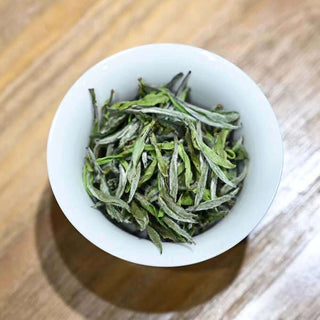
Odor Isolation: Tea absorbs surrounding aromas aggressively; never store near spices, coffee, perfumes, cleaning products, or strong-smelling foods

Periodic Inspection: Check stored tea every 3-6 months for any signs of moisture, unusual odors, or pest activity; well-stored white tea should smell clean and sweet

What You Must Avoid

Refrigerator Storage: Do not store white tea in the refrigerator or freezer; temperature fluctuations cause condensation each time you remove the tea, introducing moisture that promotes mold growth and degrades quality irreversibly

Plastic Containers: Avoid long-term storage in plastic bags or containers, which may transfer chemical odors and do not breathe properly for aging purposes

Kitchen Proximity: Do not store tea near the stove, oven, or spice cabinet where heat and competing aromas are concentrated

Frequent Opening: If aging long-term, avoid opening the storage container repeatedly; each opening introduces fresh air and humidity that disrupts the slow oxidation process

Aging Potential

This ancient tree Shou Mei is excellent for extended aging. Under proper dry storage conditions, expect the tea to develop deeper amber color, intensified honey sweetness, dried fruit complexity (apricot, date), and potential medicinal or herbal notes after 5-7 years. At 10-15 years, the tea may approach the profile described in Chinese tradition as "aged white tea treasure" (老白茶, Lǎo Bái Chá)—smooth, warming, and valued for both flavor and wellness properties. Store confidence knowing that with patience, your investment will appreciate in both taste and personal value.

Packaging & use

Scan the QR code on the label for tea details and brewing instructions.

Session estimates use a fresh portion of dry tea each time. Each portion can be infused repeatedly.

Customer reviews

Tracked shipping

Tracking after dispatch. Rates & delivery estimates

14-day returns

Request within 14 days; tea must remain sealed. Conditions apply

Here to help

Order or delivery issue? Contact our support team.
