"에너지는 강제로 깨어나는 것이 아니라 초대되어 일어나는 것입니다."
핵심 요약
- 아침의 온기는 양기와 소화 불을 지원합니다, 안정적이고 지속적인 에너지의 기반을 마련합니다.
- 다음 단계를 따르세요 황금 순서: 미지근한 물 → 따뜻한 아침 식사 → 맞춤 차 불편함을 방지하기 위해.
- 차 선택 시 당신의 한의학 체질 균형과 장기적인 활력을 향상시킵니다.
- 블랙, 숙성 보이차, 부릿 등 따뜻한 차 아침 소화에 더 부드럽습니다.
- 생강, 구기자, 국화와 같은 간단한 허브 첨가물 맞춤형 치료 시너지.
- 빈속에 강한 차를 마시는 것을 피하여 “차취” (차에 취함)를 방지하세요.
- 마음챙김 차 의식이 된다 10분간의 움직임 명상, 집중력과 감정 균형을 향상시킵니다

하루의 첫 모금, 새롭게 재구상하다
그 아침의 졸림은 우리 모두가 아는 일입니다. 빠르게 커피를 찾아 몸을 깨우는 것도 마찬가지입니다. 몇 시간의 경계심을 포기하고 나중에 충돌하는 것을 교환하는데, 이는 하루 종일 몸에 부담을 줍니다.
그 첫 음료가 그 이상을 할 수 있다면 어떨까요? 몸을 부드럽게 깨우고, 에너지를 균형 있게 유지하며, 하루 종일 활력을 유지할 수 있다면 어떨까요? 이것이 바로 tcm morning tea 의식이 제공하는 것 입니다. 빠른 해결책이 아니라 정렬의 연습입니다. 어떤 차를 마실지 이야기하기 전에, 왜 그것이 중요한지 이해하는 것이 더 중요합니다. 좋은 한방(TCM) 실천의 핵심은 개인화하는 것에 있습니다. 다양한 차가 몸에 어떻게 작용하는지 아는 것이 첫 단계이며, 그 차를 중심으로 아침 루틴을 구축하는 것 입니다. 당신의 고유한 체질에 맞는 차를 찾는 것 진정한 변화가 시작되는 곳입니다.
내면의 태양을 깨우기: 첫 잔의 TCM 논리
한방(中醫)에서 아침은 특별한 변화의 시간입니다. 서두르지 않고 과정으로 존중해야 합니다. 첫 음료는 몸의 자연 리듬과의 대화로, 하루 종일 에너지에 도움을 주거나 해칠 수 있는 선택입니다.
양기(陽氣)의 각성: 일출처럼 하루를 맞이하기
조용한 밤의 치유 음 Yin 에너지 후, 아침은 양기(陽氣)의 상승을 의미합니다—활동적이고 따뜻한 힘이 우리의 하루를 힘차게 만듭니다. 이것을 몸의 일출로 생각하세요.
부드럽고 따뜻한 음료는 아침 햇살의 첫 광선처럼 작용하여 이 양기(陽氣)가 부드럽게 상승하도록 돕습니다. 몸이 휴식에서 활동으로 전환하는 데 도움을 주어 안정된 에너지를 제공합니다.
"중초(中焦)" 보호하기: 차가움이 비장과 위에 미치는 "차가운 비"의 이유
한방(中醫)에서는 비장과 위를 "중초(中焦)"로 봅니다. 이는 소화의 중심으로, 음식과 음료가 기(氣)와 혈(血)으로 변하는 곳입니다—건강의 기본 요소입니다.
공복에 아이스 커피나 차가운 스무디를 마시는 것은 불을 끄는 차가운 물을 붓는 것과 같습니다. 몸은 음료를 데우기 위해 귀중한 에너지를 사용해야 하며, 이는 소화를 약화시키고 복부 팽만감, 피로, 잠재적인 문제를 초래합니다. 비장 기 허약 시간이 지남에 따라.

이 오래된 '신체 시계' (子午流注, zǐwǔ liúzhù) 개념은 현대 과학의 이해와 일치하며 일주기 리듬, 이는 하루 종일 우리의 신진대사를 조절합니다. 이 리듬을 따르는 것이 완전한 건강의 첫걸음입니다.
간단히 말해, 아침에 마시는 것이 하루의 분위기를 결정합니다.
| 아침 음료 | 신체에 미치는 영향 (한의학 관점) |
|---|---|
| 따뜻한 음료 | 양기 지원, 비장/위 온화, 순환 촉진, 부드러운 기상. |
| 차가운 음료 | 양기 방해, "충격" 비장/위, 혈관 수축, "습기" 생성. |
따뜻함을 선택하는 것은 매일 아침 할 수 있는 가장 기본적인 자기관리 행위입니다.
황금 순서: 한의학 아침을 위한 단계별 가이드
적절한 tcm morning tea 의식은 차 자체만의 것이 아닙니다. 순서에 관한 것입니다. 간단하고 논리적인 순서를 따르면 소화 시스템이 음식을 받을 준비를 하여 최대의 이익을 얻고 불편함을 피할 수 있습니다.
1단계: 미지근한 물로 깨우기
무엇보다도—음식이나 차보다 먼저—미지근한 물 한 잔을 마시세요. 뜨겁지도 차갑지도 않게.
이 첫 번째 단계는 긴 휴식 후에 소화 기관을 부드럽게 깨웁니다. 몸에 수분을 공급하고, 밤새 쌓인 노폐물을 배출하는 데 도움을 주며, 충격 없이 소화를 준비합니다.
2단계: 부드러운 아침 식사로 영양 공급
완전히 빈 속에 차를 마시지 마세요. 음식은 위 벽을 보호하고 소화 불꽃에 실제로 작용할 무언가를 제공합니다.
따뜻하고 조리된 음식을 선택하세요. 쌀죽, 오트밀, 채소 오믈렛 또는 찐빵이 모두 적합합니다. 이러한 음식은 소화하기 쉽고 미지근한 물로 시작한 온기 작용을 지원합니다. 먹는 것이 차를 마시는 것만큼 중요합니다. 접시 위의 조화를 이루는 방법에 대해 더 알고 싶다면, 저희의 중국 차와 음식 페어링 가이드.
3단계: 신중하게 선택한 차를 소개하세요
이제 몸이 차를 마실 준비가 되었습니다. 식사 중이나 후에 차를 즐기실 수 있습니다.
이 시점에서 차는 소화 촉진제와 부드러운 에너지 부스터 역할을 합니다. 비장과 위를 보호하여 차가 순환을 개선하고, 신진대사를 돕고, 기분을 북돋우는 일을 하도록 하면서 자극을 주지 않습니다. 이 순서는 단순한 음료를 강력한 건강 실천으로 바꿉니다.
아침 차 방향성: 체형에 맞는 중국 차 선택하기
이제 가장 중요한 부분입니다: 적합한 차를 선택하는 것. 한방에서는 차의 효과가 다양합니다. 차는 차가운 것부터 따뜻한 것까지 있으며, 핵심은 자신의 체형과 현재 필요에 맞는 것을 고르는 것입니다. 이 범위를 더 잘 이해하려면 기본적인 내용을 아는 것이 도움이 됩니다 중국 차의 여섯 가지 주요 범주, 각각의 유형은 가공 방법에 따라 정의되며, 이는 차의 열적 특성을 결정합니다.
당신에게 딱 맞는 차를 찾는 데 도움이 되는 가이드입니다 tcm morning drink.
한방 아침 차 스펙트럼: 시원함에서 따뜻함까지
| 차 종류 | TCM 자연 | 주요 아침 활동 및 이점 | 추천 대상... | 우리의 아침 추천 |
|---|---|---|---|---|
| 녹차 (绿茶) | 시원함 (凉) | 열을 내리고, 정신을 맑게 하며, 항산화제가 풍부합니다. 속쓰림 방지를 위해 든든한 아침 식사 후에 섭취하는 것이 좋습니다. | 뜨거운 기운이 돌거나 쉽게 과열감을 느끼는 사람, 소화력이 강하거나 여드름 또는 염증이 있는 사람에게 적합합니다. | 따뜻한 식사 후 부드러운 용의정(롱징) 차. |
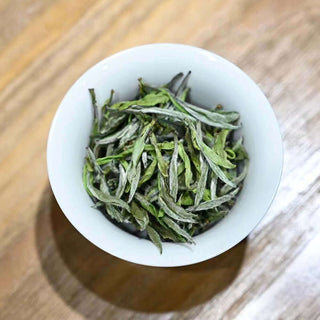
| 백차 (白茶) | 약간 시원함(微凉) | 녹차보다 부드럽고 내부 열을 해소하며 폐의 습기를 부드럽게 보충합니다. 차가움을 완화하는 부드러운 방법. | 녹차가 너무 강하다고 느끼는 민감한 사람들; 건조한 아침이나 가벼운 건조기침이 있는 사람에게 좋음. | 은침 또는 부드럽고 햇볕에 말린 차. 운남 백차. |
| 우롱차(乌龙茶) | 중립에서 따뜻함(平-温) | 조화롭고 다재다능합니다. 소화를 돕고, 정체된 기를 부드럽게 움직이며, 지방 대사를 돕습니다. | 많은 체형에 안전한 선택; 아침 부기나 정신적 흐림을 줄이는 데 탁월합니다. 훌륭한 일일 균형제. | 가볍게 볶은 티궈인 혹은 복합 우이산 바위 우롱차. |
| 홍차 | 따뜻함 (温) | 비장과 위를 따뜻하게 하고, 양기(陽氣)를 증진시키며, 순환을 개선하고, 안정적이고 들뜨지 않는 에너지 상승을 제공합니다. 부드러운 시작을 위한 고전적인 선택. | 자주 추위를 느끼거나 소화가 느리거나, 커피의 강하지 않은 편안하고 신뢰할 수 있는 에너지 부스터가 필요한 분들께 적합합니다. | 고전적이고 편안한 아침 의식을 위해, 고품질의 기문이나 윈난 홍차는 비할 데 없습니다. 우리의 컬렉션을 둘러보세요 프리미엄 블랙 티 부드럽고 고소한 맛과 은은한 따뜻함으로 알려져 있습니다. |
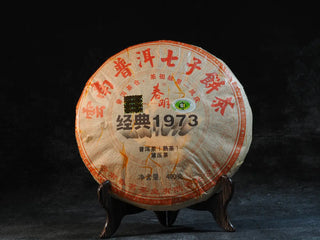
| 숙푸(熟普) | 따뜻함 (温) | 깊은 온기와 부드러운 맛, 소화에 도움을 주는 유익한 프로바이오틱스가 함유되어 있으며, 정서 안정과 집중에 도움을 줍니다. | 대부분의 사람들, 특히 민감한 위장이나 소화 문제를 가진 분들이나 안정과 평온을 느끼고 싶은 분들에게 적합합니다. | 우리의 최고의 선택 Traditional Chinese medicine tea for empty stomach (미지근한 물과 식사 후에). 우리의 컬렉션을 둘러보세요 익은/쇼 푸얼차.
|
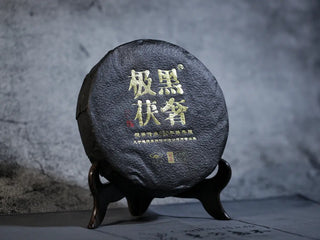
| 복합벽돌차 (茯砖茶) | 따뜻함 (温) | ‘황금꽃’(Eurotium cristatum)으로 유명하며, 장 건강과 소화를 강하게 지원하는 유익한 곰팡이입니다. 소화차의 정점. | 소화 건강, 장내 세균 재생, 그리고 강렬하고 흙내 나는 깊은 영양이 가득한 차로 하루를 시작하는 궁극의 선택. | 소화 조화가 최우선 목표라면, 푸 벽돌차 이것이 계시입니다. 특별한 경험을 위해 저희는 도교 경양 황금꽃 복합벽돌차 케이크, 풍부한 '황금꽃' 향과 깊은 소화 효과로 유명합니다. |
잎을 넘어서: TCM 허브와 함께하는 1+1>2 시너지 창출
기본 차를 선택한 후, TCM의 깊은 지혜를 보여주는 고대의 관습인 '야오 차 통 원'으로 아침 루틴을 향상시킬 수 있습니다. 이것은 깊은 개인화를 가능하게 하는 예술입니다.
"야오 차 통 원"(药茶同源)의 원리
이 개념은 "약과 차는 같은 기원을 공유한다"는 의미입니다. 많은 허브가 차와 혼합되어 치유 효과를 높일 수 있음을 인정하며, 전체가 부분의 합보다 큰 블렌드를 만듭니다.
복잡한 재료 세트가 필요하지 않습니다. 몇 가지 간단하고 주방에서 쉽게 구할 수 있는 재료로 당신의 컵을 맞춤형 건강 음료로 바꿀 수 있습니다.
시도해볼 수 있는 간단한 아침 블렌드
여기 몇 가지 쉽고 효과적인 조합이 있습니다. 선택한 차에 우려내는 동안 간단히 추가하세요.
-
부드러운 에너지와 집중력을 위한: 블랙 또는 푸얼 차에 3-5개의 구기자(枸杞, gǒuqǐ)를 넣으세요. 한방에서는 구기자가 간혈을 보하고 눈을 밝게 하는 데 도움을 준다고 알려져 있어 오랜 시간 화면을 보는 날에 적합합니다.
-
소화 온도를 위해: 우롱차 또는 블랙 차에 생강(生姜, shēng jiāng) 얇게 썬 것을 1~2조각 넣으세요. 생강은 위를 따뜻하게 하고 냉기를 몰아내며, 가벼운 메스꺼움이나 복부 팽만을 완화하는 데 효과적입니다.
-
정신을 안정시키기 위해: 백차 또는 녹차에 말린 국화꽃(菊花, júhuā) 몇 송이를 넣으세요(약간 식힌 후). 국화는 간열을 해소하는 데 도움을 주며, 이는 짜증, 스트레스, 긴장성 두통으로 나타날 수 있습니다.
이것들은 시작점에 불과합니다. 블렌딩의 예술은 풍부하고 보람차며, 더 자세한 레시피와 영감을 원하시면 저희 가이드에서 확인하세요. 다양한 중국 차를 블렌드하고 우려내는 8가지 레시피.

생강, 구기자, 국화와 같은 약초의 치유 효과는 한방의 핵심으로, 오랜 역사와 실증적 증거로 잘 알려져 있습니다. 주요 전통 의학 학파들은 종종 이 흔한 약초들의 구체적인 특성을 강조합니다. 수세기 동안의 건강 지혜를 뒷받침하는 임상적 용도.
지혜롭게 탐색하기: "차 취"와 위 불편을 피하는 방법
강력한 도구인 차는 현명하게 사용해야 합니다. 초보 차 애호가들이 흔히 겪는 두 가지 문제는 "차 취"와 위 불편입니다. 이를 이해하면 쉽게 피할 수 있으며, 아침 한 잔과 좋은 관계를 형성할 수 있습니다.
"차취"(茶醉) 또는 차 취함 이해하기

우리 모두 느껴본 적이 있죠, 특히 차를 처음 접할 때. 가벼운 어지러움, 약간의 메스꺼움, 어지러움, 때로는 식은땀까지 느껴집니다. 불안한 느낌이 들며, 즐거운 차 시간에 금방 방해가 될 수 있습니다.
이 느낌은 "차취"라고 하며, 주로 강한 차(특히 어린 생차 푸얼 또는 강한 녹차)를 너무 빨리 마시거나 거의 항상 공복 상태에서 마실 때 발생합니다. 이는 기본적으로 카페인과 카테킨의 갑작스런 급증에 대한 신체의 반응으로, 음식이 이를 완충하지 못하기 때문입니다. 이 문제는 차 문화에서 잘 알려져 있습니다. 그 원인과 해결책을 자세히 알고 싶다면, 우리의 전체 가이드인 '차 취' 또는 차취.
왜 일부 차는 위를 도전하게 만들까

우리가 '황금 순서'를 강조하는 이유는 일반적인 위장 불편을 예방하기 위해서입니다. 주요 원인물질은 탄닌과 카페인으로, 과도한 산 생성과 보호되지 않은 위벽 자극을 유발할 수 있습니다.
녹차와 일부 백차와 같은 차가 특히 강한 편입니다. 이들의 떫은맛은 부드럽게 데워지고 음식과 함께 준비되지 않은 시스템에 거칠게 느껴질 수 있습니다.
주요 해결책은 간단합니다: 항상 황금 순서를 따르세요. 먼저 먹고, 스펙트럼에 따라 현명하게 차를 선택하세요. 그리고 몸의 신호를 들으세요. 아침에 차를 마실 때 차 선택이 매우 중요합니다. 빈속에 어떤 차가 좋은지 나쁜지에 대한 자세한 내용은 저희 빈속에 중국 차를 마시는 가이드 가 필수 자료입니다.
음료 그 이상: 10분 아침 명상 루틴

당신의 Chinese tea for morning ritual 신체적 건강을 넘어 정신적, 정서적 건강의 초석이 될 수 있습니다. 차를 준비하고 즐기는 간단한 행위는 하루의 요구가 시작되기 전에 마음챙김을 연습할 수 있는 좋은 기회입니다.
차를 '움직이는 명상' (动中禅)
10분 동안 자신에게 완전히 몰입할 허락을 주세요. 이것이 '움직이는 명상'입니다.
끓는 물 소리와 잎에 부어지는 소리에 집중하세요. 잎이 펼쳐지고 색을 물에 내는 모습을 관찰하세요. 손에 쥔 컵의 따뜻함을 느끼고, 복잡한 향기를 들이마신 후 한 모금 드세요. 마지막으로 맛과 잔여 맛(回甘, huí gān)을 느껴보세요. 이 감각적 집중은 현재 순간에 당신을 고정시키며, 마음의 불안한 잡음을 잠재웁니다.
몸의 소리에 귀 기울이기: 계절과 조화롭게 (天人合一)
이 일상 점검은 핵심 한의학 원리인 '천인합일' (天人合一), 또는 '천과 인간이 하나'라는 개념과 더 깊은 연결을 형성합니다. 이는 우리가 자연 세계의 작은 버전이며, 우리의 건강은 그 순환과 조화를 이루며 살아가는 것에 달려 있다는 생각입니다.
당신의 기분에 주의를 기울이세요. 추운 겨울 아침에는 따뜻한 홍차 또는 숙성된 보이차를 자연스럽게 원할 수 있습니다. 더운 여름날에는 시원한 백차 또는 녹차가 더 적합하게 느껴질 수 있습니다. 이러한 직감적인 조정은 진정으로 개인화되고 효과적인 의식의 핵심입니다.
차를 통해 현재 순간에 집중하는 이 실천은 강력한 마음챙김의 한 형태입니다. 이 연결을 더 깊이 탐구하려면 우리의 가이드인 차 명상과 중국 차 마음챙김. 이러한 실천의 심리적 이점은 잘 문서화되어 있습니다. 미국심리학회에 따르면, 마음챙김 스트레스 감소, 집중력 향상, 평온함의 감각 형성에 도움을 주며, 이 모든 이점은 아침 커피와 함께 발전시킬 수 있습니다. 이것이 바로 당신의 아침, 되찾고 재조정하는 것
우리는 "왜"에 대한 이해에서부터
소화 불을 보호하고 양기(陽氣)를 지원하는 것, 그리고 골든 시퀀스의 "어떻게"에 이르기까지, 마지막으로 몸에 맞는 차를 선택하는 "무엇"에 대해 탐구해 왔습니다. TCM morning tea카페인 급증과 급락의 순환을 놓아버리세요. 훨씬 더 깊은 것을 제공하는 의식을 받아들이세요: 몸과의 일상적인 대화입니다. 이 실천은 엄격한 규칙이 아니라, 경청하고 개인화하며 하루 종일 퍼지는 조화의 순간을 만드는 것에 관한 것입니다.
이것이 바로 당신의 아침, 되찾고 재조정하는 것. 에너지, 재균형. 목적을 가지고 시작하는 하루.
이것이 당신의 아침, 되찾은 아침입니다. 당신의 에너지, 재조정되었습니다. 당신의 하루, 목적과 함께 시작됩니다.
이 여정을 시작하는 것은 많은 선택지로 인해 압도적으로 느껴질 수 있습니다. 몸에 진정으로 맞는 것을 발견하기 위해 다양한 정통 차를 탐험할 준비가 되었다면, 저희의 발견 박스 는 더 균형 잡힌 아침을 위한 완벽한 첫걸음이 되도록 정성스럽게 만들어졌습니다.
자주 묻는 질문:
-
소화가 좋지 않은 사람에게 가장 좋은 한방 아침 차는 무엇인가요?
익은 푸얼 또는 복합차는 따뜻하고 위에 부드럽고 유익한 프로바이오틱스를 함유하여 장 건강을 지원하므로 소화 문제에 탁월한 선택입니다. -
한방 아침 차는 식사 후 따뜻한 음료를 마시기(공복에 마시지 않기), 체질에 맞는 차 선택, 그리고 몸의 자연스러운 리듬에 맞춘 의식적인 습관을 만드는 등 특정 원칙을 따릅니다.
한방 아침 차는 식사 후 따뜻한 음료를 마시기(공복에 마시지 않기), 체질에 맞는 차 선택, 그리고 몸의 자연스러운 리듬에 맞춘 의식적인 습관을 만드는 등 특정 원칙을 따릅니다. -
내가 특정 건강 문제에 맞게 한방 아침 차를 맞춤 제작할 수 있나요?
네, 한의학은 "야오 차 통 원" 원칙을 통해 개인 맞춤형을 장려합니다 - 에너지와 집중력을 위해 구기자 같은 약초를 추가하거나, 소화를 위한 생강, 또는 진정 효과를 위한 국화 등을 넣을 수 있습니다. -
왜 한의학은 아침에 찬 음료를 피하라고 권장할까요?
한의학에 따르면 찬 음료는 "중앙 화로"(비위와 위장)를 충격을 주어 소화를 약화시키며, 이는 몸이 액체를 데우는 데 에너지를 사용하게 만들어 아침에 자연스럽게 상승하는 양기(陽氣)를 지원하지 못하게 합니다. -
한의학 아침 차 의식의 효과를 느끼기까지 얼마나 걸리나요?
소화 개선과 같은 일부 이점은 며칠 내에 느껴질 수 있지만, 전체 균형 효과는 보통 2-4주 동안 일관된 실천을 통해 몸이 이 더 건강한 아침 루틴에 적응하면서 나타납니다.
매년 수천 명의 차 애호가들이 저희 찻집을 방문하여 정통 차 한 잔의 평화로운 시간을 즐깁니다. 이제, 그 경험을 집에서도 느껴보실 수 있습니다. Orientaleaf.com.