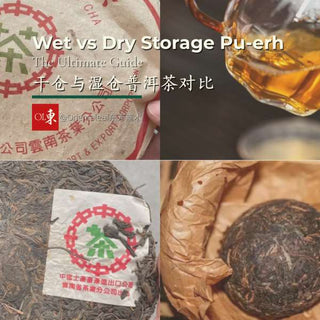
2018年 春茶 庭園級 熟成プーアル – プレミアム宮廷葉


2018年 春茶 庭園級 熟成プーアル – プレミアム宮廷葉
古代の木の家宝丨清明前の宮廷用葉丨完璧な乾燥保存丨純粋な茶気体験
- 単価
- / あたり
あなたの取引は、情報の機密性を保つために高度なセキュリティ対策で保護されています。
カートに商品を追加する
-
この超プレミアムな庭園級の熟成プーアル茶では、8年間の巧みな乾燥保存を経て、手選びされた皇室レベルの春摘み葉が、滑らかで魅惑的な香り高いお茶へと変貌し、一口ごとに深い満足感を与えてくれます。
何がそれをユニークにしているのか
- 清明節以前に収穫された皇室級の原材料 清明節前に摘まれた最も柔らかく栄養豊富な葉だけが、これほどの純度をもたらします。多くの熟成プーアルは劣ったグレードを使用しており、複雑さと熟成の可能性が損なわれています。
- 8年間にわたる本格的な乾燥保存の完全性 昆明の理想的な気候で湿度による汚染なしに保存されています。これにより、清らかな茶気(ちゃき)と風味の進化が保たれ、湿気による劣化が一般的な湿式保存とは異なります。
- 高地にある伝統庭園からの古代樹遺伝子 標高1800~2200メートルに位置する雲南省の100年以上の歴史を持つ大葉種の古樹が、自然の甘みとミネラル豊富な葉を育み、比類のない深みと強靭さを持つ発酵茶となります。
- 庭園級指定はその出自を保証します 最高級の葉のみがこの歴史的称号を得られます。曖昧な起源を持つ大量生産のお茶ではなく、文書で証明された本物をご購入いただきます。
- 投資グレードの熟成ポテンシャル 8年経過した今、このお茶はまさに最盛期を迎えつつあります。適切な乾燥保存条件が維持されれば、さらに10~15年の優雅な進化が期待できます。
このお茶に隠された物語
スプリングティーの庭園級熟成プーアル茶は、ほとんどの生産者が追求しない厳選された原料への徹底的なこだわりから生まれました。雲南省鳳慶地域の霧深い高地で、標高1800~2200メートルに広がる古代茶林の中で、スプリングティーは独自の伝統庭園を維持しています。これらは工業的なプランテーションではなく、何世代にもわたる栽培によって豊かになった土壌から栄養を引き出す、100年以上の歴史を持つ生きている茶の宝庫です。
毎年春になると、清明祭の前に最初の柔らかい芽が出始めると、スプリングティーの茶師たちは儀式的とも言える選別プロセスを行います。彼らは最も完璧な一芯一葉(「一芽一葉」:いちがいちよう)のみを収穫します。これは皇室級の素材を示す基準です。この徹底的な収穫方法により、庭園の潜在収量のわずか5~10%しか得られませんが、これがその後の全てを決定づけます。これらの葉には、発酵技術に関わらず、下質な素材では再現できない自然の甘みとミネラルの複雑さが含まれています。
2018年の収穫は特に恵まれていました。春の雨が豊富で、茶の木々は例年にない活力を見せました。丁寧な萎凋(いちょう)と初期処理の後、これらのプレミアムな葉はスプリングティー独自の渥堆(うったい)発酵技術にかけられました。これは通常45~60日間続く制御された微生物変換プロセスです。大量生産ではスピードが重視されますが、このロットは特別な管理を受けました:均一な発酵のために定期的に攪拌し、正確な水分調整と温度管理を行い、葉のポテンシャルを最大限に引き出しました。
その結果として生まれたのは、伝統的な357グラムの圧縮ケーキ形式のプーアル茶です。この茶は直ちに昆明の伝説的な乾燥保存環境に移されました。8年間、このお茶は慎重に管理された条件下で保存され続けました:一定の温度、低湿度(相対湿度約60~65%)、暗所、そして異臭による汚染から完全に隔離された状態です。これは偶然ではなく、お茶の分子化学が優雅に進化できるように設計されたインフラストラクチャです。その結果、若い頃の粗さを取り除きながら、コレクターたちが求める成熟した芳香、シルキーな口当たり、そして体を温め心を澄ます持続的な茶気が備わった熟成プーアル茶が完成しました。
このケーキを手に取るとき、あなたは8年間の完璧な乾燥保存と数百年にわたる茶の知識が凝縮された357グラムを持っています。
あなたの熟成プーアル茶の旅を始めましょうか?
- 証明された出自: すべてのケーキはスプリングティーの認定された伝統庭園にまで遡ることができます。あなたが受け取るのはただのお茶ではなく、確認可能な農業的系譜と発酵データです。
- 乾燥保存認証: 湿度によるダメージ、カビ、または異臭がないことが保証された昆明の乾燥保存条件——妥協された在庫であふれるプーアル市場において稀なことです。
- 熟成の血統: 8年経過したこのお茶はすでにその進化の軌跡を示しており、コレクターたちはこれを飲みやすく、長期投資の可能性がある最適な時期と認識しています。
大量生産され妥協された熟成プーアル茶に満足せず、今日、2018年スプリングティー庭園級熟成プーアル茶357gのケーキを確保してください——これは8年間の完璧な乾燥保存と雲南省でもっとも希少な原料を組み合わせた皇室級の逸品です。在庫は限られており、すぐに動きがあります。 今すぐカートに追加 そして、本物のテロワールと徹底的な管理が真に作り出す違いを体験してください。
-
- Type: Shou/Ripe Pu-erh (Sheng Pu-erh that has undergone controlled Wo Dui fermentation 渥堆 Wò Duī)
- Pressed Vintage: 2018
- Raw Material Harvest Year: 2018 (pre-Qingming festival harvest)
- Production Region: Fengqing County, Lincang Prefecture, Yunnan Province, China
- Precise Origin: Spring Tea's private heritage tea gardens; ancient tree plantations aged 100+ years
- Elevation: 1800–2200 meters above sea level
- Tea Plant Variety: Yunnan Large-Leaf varietal (Yunnan Da Ye Zhong 云南大叶种), propagated from heritage seed-grown specimens (Shi Sheng茶 实生茶)
- Tea Producer: Spring Tea Company (Chunming Tea Industry 春茗茶业), Yunnan Province
- Packaging Format: Compressed round cake (Bing Cha 饼茶); available in two configurations:Standard: 357g whole cake (Qigui format 七饼)Sampler: 30g sample break (ideal for tasting before committing to full cake)
- Maturity Stage: Early-to-Mid Maturity (Zao Ling Shufu 早龄熟). At 8 years of age, this Ripe Pu-erh has transitioned from "young and vibrant" into its genuine drinking window. Fermentation-related sharpness has mellowed; aromatic complexity has deepened. Suitable for immediate enjoyment or further aging 10–15+ years with proper dry storage conditions.
- Storage Conditions: Exclusively Kunming dry-storage (Gan Can 干仓 Gān Cāng), maintained at 60–65% relative humidity, constant temperature, zero light exposure, and complete isolation from odor contamination. No humidity damage. No mold. No off-flavors. This is the foundation of the tea's purity and future aging potential.
-
Appearance & Aroma (Dry Leaf)
The pressed cake presents a tightly compacted face with deep mahogany-brown coloring—evidence of successful Wo Dui (渥堆 fermentation) and eight years of dignified dry storage. The surface shows occasional visible golden tips, relics of the pre-Qingming harvest's premium bud material. When you break apart a small sample, the compression is firm yet not excessive; this indicates proper pressing technique that doesn't sacrifice internal air circulation. The dry leaf aroma is restrained but sophisticated: rich earth tones, aged wood spice, faint vanilla undertones, and a whisper of fermented grain sweetness. There's an absence of any mustiness or off-notes—a hallmark of true dry storage.
Wet Leaf (Post-Infusion Appearance & Aroma)
Upon opening, the leaves unfurl to reveal their full size and shape. The leaf base is predominantly deep brown with occasional olive-tinged edges, indicating even fermentation and careful post-fermentation storage. Individual leaves are largely intact—the imperial-grade raw material and conservative pressing have preserved structural integrity. The wet leaf aroma intensifies: now you detect deeper wood (reminiscent of aged cedarwood), subtle fungal umami (from beneficial microbes during Wo Dui), and a creeping sweetness that suggests caramelized honey. The aroma has complexity and layers; it's not a one-note experience.
Liquor Color (Tea Soup Appearance)
The brewed tea liquor exhibits a rich, transparent deep amber to burnt-sienna hue—neither too light (which would suggest under-fermentation) nor murky (a sign of over-extraction or storage compromise). The color is glossy, luminous, with a subtle reddish undertone when held to the light. This coloration is the visual signature of a well-executed fermentation followed by dignified aging. There is absolute clarity; no cloudiness or sediment should appear in the cup.
Mouthfeel & Body Sensation (Taste & Texture)
The first sip reveals the hallmark signature of premium Ripe Pu-erh at this maturity stage:
- Texture: Velvety, oily, almost creamy on the palate—this silken sensation stems from the fermentation process's breakdown of polysaccharides into shorter-chain, mouth-coating sugars. The tea doesn't feel thin or astringent; instead, it envelops the mouth in a warm, lubricating sensation.
- Initial Sweetness: Immediate entry sweetness—caramel, dark honey, subtle molasses notes—appears on the first infusion and intensifies through subsequent steeps. This isn't artificial sweetness; it's the tea's inherent sugar compounds expressing themselves.
- Hui Gan (回甘 Return of Sweetness): 3–5 minutes after swallowing, a secondary wave of sweetness emerges in the throat and palate—a phenomenon prized by connoisseurs. This hui gan persists strongly through infusions 4–8, gradually softening by infusion 10+.
- Sheng Jin (生津 Saliva Generation): The tea stimulates copious, sweet saliva generation—a sign of high-quality material and proper fermentation. This sensation prevents dry mouth and enhances overall palatability over multiple infusions.
Core Flavor Notes (Tasting Wheel Alignment)
Align your palate with these dominant flavor descriptors:
- Primary: Dark chocolate, cocoa butter, roasted chestnut
- Secondary: Aged leather, sandalwood, subtle spice (clove, cardamom whisper)
- Tertiary: Caramel, honey-malt, faint vanilla, gentle mushroom umami
- Mineral/Earth: Subtle slate, petrichor (after-rain earth), warm stone
These flavors aren't sharp; they're rounded, well-integrated, and evolving across the session. Early infusions emphasize sweetness; mid-session steeps introduce deeper wood and spice; later steeps shift toward mineral and earthy dimensions.
Empty Cup & Finish (Lingering Aroma & Aftertaste)
After drinking all infusions, set down your empty cup. Within seconds, the aromatics begin their encore: the cup releases deep wood fragrance, faint chocolate phantom notes, and a pleasant sweet tobacco-leaf undertone. This empty-cup aroma persists for 10–15 minutes—a sign of the tea's aromatic substance and fermentation quality. The aftertaste in your mouth is long and evolving: sweetness transitions to a faint leather-spice dryness, followed by renewed hui gan (return of sweetness) that lasts well past the final sip. This complexity and persistence are the hallmarks of imperial-grade material.
Body Sensation & Chaqi (Tea Energy / Internal Warmth)
Ripe Pu-erh from imperial-grade source material typically generates noticeable Chaqi (茶气 Tea Energy)—a whole-body phenomenon distinct from simple caffeine effect:
- Warmth: Within 10–15 minutes of drinking, a gentle internal warmth spreads from the stomach outward, radiating through the limbs. This isn't heat; it's a comfortable, grounding sensation that many describe as "energetically centering."
- Mental Clarity: Drinkers often report a subtle sharpening of focus and mental calm—paradoxically both alert and relaxed.
- Light Perspiration: With continuous sipping across multiple infusions, you may notice light perspiration on the upper back or forehead—a sign that the tea's warming properties are mobilizing your body's natural thermoregulation. This is considered deeply beneficial in Traditional Chinese Medicine perspectives.
- Chaqi Intensity Rating: 4 out of 5. This 2018 Courtyard-Grade cake exhibits pronounced chaqi—stronger than typical mass-produced Ripe Pu-erh, yet not aggressively intense. The sensation builds gradually and sustains for hours post-drinking.
-
Q1: Why is this tea called "Courtyard-Grade" (Gong Ting 宫廷), and why does that justify the premium price?
The term "Courtyard-Grade" carries centuries of Chinese imperial heritage. Historically, only the finest leaves selected for the imperial court earned this designation—a standard so exacting that fewer than five percent of a tea garden's annual yield qualified. In modern usage, Courtyard-Grade refers specifically to leaves meeting this historical threshold: single buds paired with the first true leaf (一芽一叶), harvested at the precise moment of peak nutrient density (typically before the Qingming festival), and processed with meticulous attention to preserve their inherent quality.
This designation isn't marketing hyperbole; it's a measurable botanical and organoleptic standard. Leaves at this grade possess higher concentrations of amino acids (particularly L-theanine, which contributes to umami sweetness and chaqi), polyphenols (which age more gracefully), and natural sugars. When fermented via Wo Dui (渥堆), these premium leaves develop superior aromatic complexity, smoother mouthfeel, and greater longevity across multiple infusions compared to lower-grade leaves. The price premium reflects the cost of selective harvesting (labor-intensive), the yield loss (85% of material doesn't qualify), and the provable sensory and aging superiority. A 357g Courtyard-Grade cake from an eight-year verified dry-storage condition is not a commodity product—it's a documented expression of botanical excellence and stewardship.
Q2: What does "dry storage" mean, and how does it differ from other storage methods? Why does Spring Tea specifically emphasize this?
Dry storage (Gan Can 干仓 Gān Cāng) maintains Pu-erh tea in an environment of controlled, low humidity (typically 60–65% relative humidity), stable temperature, darkness, and odor isolation. This contrasts sharply with two common alternatives: wet storage (Shi Can 湿仓 Shī Cāng), which accelerates aging through high humidity and heat, and natural climate storage, which exposes tea to seasonal humidity fluctuations and environmental contamination.
Dry storage is the "purist" approach. It allows Pu-erh to age at its natural pace—a slower but more graceful transformation where fermented compounds slowly oxidize and repolymerize, developing complexity without forcing artificial flavors or introducing mold-derived off-notes. Kunming, Yunnan's capital, is legendary for dry storage because its plateau climate (naturally low humidity, stable temperatures year-round) creates ideal conditions with minimal active management.
Spring Tea's emphasis on dry storage isn't just marketing—it's a provenance guarantee. This 2018 cake has never experienced the heavy humidity and accelerated (sometimes excessive) microbial activity of wet storage. The result: zero mustiness, zero mold residue, zero off-flavors. The tea's authentic character—clean aromatics, pure sweetness, refined chaqi—has been preserved intact. For consumers comparing Ripe Pu-erh options, dry storage is the difference between purchasing a predictable, timeless tea and potentially acquiring one with hidden storage defects that will frustrate you upon opening.
Q3: I'm new to aged Ripe Pu-erh. Will this tea be enjoyable now, or should I wait longer? What's the optimal drinking window?
At eight years old, this 2018 Courtyard-Grade Ripe Pu-erh has entered its genuine drinking window—what connoisseurs call "early-to-mid maturity." After the initial Wo Dui fermentation (45–60 days), Ripe Pu-erh typically spends 2–3 years shedding its "fermentation taste"—that raw, yeasty edge that can dominate young Ripe Pu-erh. By year 5–6, most quality Ripe Pu-erh becomes genuinely approachable and rewarding. At 8 years, especially under dry storage, this tea has crossed into premium territory: fermentation character has fully mellowed, aromatic complexity has blossomed, and mouthfeel has achieved that silken, oily texture that distinguishes aged expressions.
You can absolutely enjoy this tea immediately—it will deliver immediate pleasure and satisfaction. However, it's also investment-grade: with continued proper dry storage, expect another 10–15 years of graceful evolution. The aromatics will deepen further; subtle new layers may emerge; the chaqi may intensify slightly. Neither approach is "wrong." Drink it now if you value present enjoyment; lay it down if you're interested in the long-term appreciation and the meditative act of opening a 15-year-old cake years from now. This flexibility—approachable now, yet capable of graceful aging—is precisely why Courtyard-Grade Ripe Pu-erh from verified dry storage commands respect among serious collectors.
Q4: What's the sensory difference between this imperial-grade fermented tea and a standard commercial Ripe Pu-erh? What will I actually taste?
Most commercial Ripe Pu-erh uses lower-grade leaves (buds and fragments mixed with mature leaves, sometimes even dust). These leaves ferment adequately but lack the inherent sweetness and mineral complexity of premium material. The result is often a one-dimensional cup: a bit of earth, a bit of sweetness, minimal layering, and a thin mouthfeel that tastes vaguely like "aged tea" without distinctive personality.
This 2018 Courtyard-Grade expression tastes fundamentally different. The first infusion hits your palate with immediate caramel and dark chocolate sweetness—not subtle, but clean and integrated. By infusion 3–5, you'll detect deeper woody notes (sandalwood, aged cedar), a creeping vanilla-honey complexity, and an oily, almost creamy texture that commercial-grade Ripe Pu-erh simply cannot achieve. The hui gan (return of sweetness) will be pronounced and persistent—a secondary wave of sweetness that blooms 3–5 minutes after swallowing, a sensation absent in lower-grade teas. Across 10+ infusions, this cake continues to reward you; the aromatics evolve and layer; the tea doesn't collapse into flatness. The chaqi (body sensation) is noticeably stronger—many drinkers report gentle internal warmth and mental clarity lasting hours post-session. In short: a commercial-grade Ripe Pu-erh tastes "fine." This Courtyard-Grade cake tastes like a genuine beverage with depth, character, and staying power.
-
Brewing Methods for 2018 Spring Tea Courtyard-Grade Ripe Pu-erh
Method 1: Traditional Gongfu Tea Ceremony (Gong Fu Cha 工夫茶)
This is the recommended approach for unlocking the full sensory spectrum of this premium Ripe Pu-erh.
- Tea-to-Water Ratio: 5–7 grams per 100 milliliters (approximately 1 teaspoon per 2 oz of water)
- Water Temperature: 95–100°C (203–212°F)
- Vessel: Traditional Yixing clay teapot (preferred for heat retention) or small glass gaiwan
- First Rinse (Wake-Up Infusion): Pour hot water over the leaves for 5–8 seconds, then immediately discard. This "rinse" (Xun Cha 醒茶 awakens dormant aromatics and removes any dust.
- Infusion 1: 15–20 seconds
- Infusion 2: 20–25 seconds
- Infusion 3: 25–35 seconds
- Infusions 4–8: Incrementally extend time by 10–15 seconds per infusion (40–50 seconds, then 50–70 seconds, etc.)
- Expected Total Infusions: 10–12 strong infusions, with the cake remaining flavorful beyond infusion 12 if brewed gently.
The beauty of Gongfu brewing is that you control intensity and flavor development across the session. Early infusions emphasize sweetness and surface aromatics; mid-session steeps reveal complexity; later infusions showcase mineral and earthy dimensions.
Method 2: Western Immersion Steeping (Full-Leaf Approach)
Suited for drinkers without traditional brewing equipment.
- Tea Amount: 6–8 grams
- Vessel: Standard ceramic mug or tea infuser
- Water Temperature: 95–100°C
- Steep Time: First infusion 4–5 minutes; remove leaves or strain. For subsequent steeps, re-infuse the same leaves with fresh hot water for 3–4 minutes per infusion.
- Expected Infusions: 6–8 solid infusions
- Note: Western steeping yields faster flavor extraction and requires longer initial steep times. The tradeoff is that you'll extract the "louder" flavors earlier; subtle layering unfolds less dramatically than in Gongfu format.
Method 3: Grandpa Tea Approach (Lao Ren Cha 老人茶)
A casual, low-maintenance method ideal for daily drinking or office environments.
- Tea Amount: 8–10 grams
- Vessel: Large mug or tea glass (300–400 mL)
- Water Temperature: 95–100°C
- Method: Add leaves directly to the mug, pour hot water, and drink as the cup cools. Refill with hot water multiple times throughout the session. Let leaves settle at the bottom naturally (or use a fine mesh infuser to prevent leaf fragments in your mouth).
- Duration: Can be extended across 2–4 hours of casual sipping.
- Benefit: Maximum convenience; the prolonged, gentle steeping yields mellow, approachable flavors. Less aromatic intensity than Gongfu, but a relaxed, meditative drinking experience.
Method 4: French Press (Immersion Brewer)
A Western alternative that approximates Gongfu control.
- Tea Amount: 7–9 grams
- Water Temperature: 95–100°C
- Capacity: Use a 350–500 mL French press
- Process: Add tea leaves, pour hot water, let steep for 4 minutes, then gently press the plunger to separate leaves from liquor.
- Subsequent Infusions: Refill the same leaves with fresh hot water and repeat (3–4 minute steeps each).
- Advantage: The immersion method yields full-bodied liquor with smooth texture. The metal mesh filter retains fine particles, creating a thicker mouthfeel than paper filters.
Method 5: Stovetop Simmering / Decoction (Zhu Cha 煮茶)
For drinkers seeking maximum extraction and aromatic intensity.
- Tea Amount: 8–10 grams
- Water: 500–600 mL fresh, filtered water
- Vessel: Small stovetop kettle or clay pot
- Process:Bring water to 100°C.Add tea leaves directly.Reduce heat to low simmer (not rolling boil).Maintain gentle simmer for 8–10 minutes (first infusion).Strain into cups; retain leaves.For subsequent infusions, return leaves to the pot with fresh water and simmer 6–8 minutes each.
- Benefit: Extended heat exposure extracts deeper woody notes, intensifies hui gan, and creates a robust, body-warming experience ideal for cooler climates or therapeutic contexts.
Storage Recommendations for Long-Term Preservation
Proper storage is the cornerstone of Pu-erh's aging potential. Follow these principles rigorously:
The Three Core Principles (San Wu Yuan Ze 三无原则):
- No Off-Odors / Foreign Fragrances (无异味 Wú Yì Wèi): Pu-erh is extraordinarily absorbent. Exposure to cooking odors, perfumes, tobacco smoke, or musty environments will corrupt the tea irreversibly. Store in isolation from these contamination sources. Never place in kitchens, smoking areas, or rooms with strong food preparation aromas.
- No Excess Humidity / Moisture (无潮湿 Wú Cháo Shī): Excessive humidity (above 70% relative humidity) accelerates unwanted microbial activity, leading to mold, off-flavors, and texture degradation. Conversely, extremely dry conditions (below 50%) may stall the subtle oxidation processes that drive positive aging. Ideal range: 60–65% relative humidity. Use a humidity monitor if possible. Avoid basements (typically damp) and arid climates without active humidification.
- No Direct Sunlight / Darkness Requirement (无阳光直射 Wú Yáng Guāng Zhí Shè): UV light oxidizes aromatic compounds and fades color. Store in complete darkness—a sealed cabinet, cardboard box, or dedicated tea storage furniture. Never display Pu-erh on open shelves or near windows.
Additional Storage Best Practices:
- Temperature Stability: Maintain consistent, moderate temperature (15–25°C / 59–77°F). Avoid fluctuation. Seasonal temperature swings can cause micro-expansion and contraction within compressed cakes, potentially disturbing internal moisture distribution.
- Air Circulation: Gentle, passive air circulation is beneficial; stagnant air can trap moisture. A well-ventilated storage space is preferable to hermetically sealed containers.
- Packaging: Keep the cake in its original wrapper or reputable storage packaging. The paper or cloth wrapping provides mild odor isolation and allows subtle air exchange. Do not remove the wrapper and place the naked cake in plastic.
- Never Use Refrigerators or Freezers: Cold storage halts natural aging. The low temperature suppresses the beneficial microbial and enzymatic processes that drive positive flavor evolution. Additionally, repeated temperature cycling when removing and replacing the tea in the fridge creates condensation and moisture infiltration—highly destructive.
- Separate by Batch / Vintage: If storing multiple cakes, organize them by production year or producer. This prevents aromatic cross-contamination and simplifies inventory tracking.
- Periodic Inspection: Once every 6–12 months, briefly open your storage container and visually/aromatically inspect cakes. Look for visible mold (rare in true dry storage, but possible in compromised conditions), off-odors, or color changes. If everything appears normal, reseal immediately and return to storage.
Optimal Storage Location:
A dark, well-ventilated cabinet or dedicated tea storage box in a climate-controlled living space is ideal. Many collectors use wooden tea cabinets designed with ventilation slats or ceramic racks that allow subtle air movement while blocking light and odor contamination.
この超プレミアムな庭園級の熟成プーアル茶では、8年間の巧みな乾燥保存を経て、手選びされた皇室レベルの春摘み葉が、滑らかで魅惑的な香り高いお茶へと変貌し、一口ごとに深い満足感を与えてくれます。
何がそれをユニークにしているのか
- 清明節以前に収穫された皇室級の原材料 清明節前に摘まれた最も柔らかく栄養豊富な葉だけが、これほどの純度をもたらします。多くの熟成プーアルは劣ったグレードを使用しており、複雑さと熟成の可能性が損なわれています。
- 8年間にわたる本格的な乾燥保存の完全性 昆明の理想的な気候で湿度による汚染なしに保存されています。これにより、清らかな茶気(ちゃき)と風味の進化が保たれ、湿気による劣化が一般的な湿式保存とは異なります。
- 高地にある伝統庭園からの古代樹遺伝子 標高1800~2200メートルに位置する雲南省の100年以上の歴史を持つ大葉種の古樹が、自然の甘みとミネラル豊富な葉を育み、比類のない深みと強靭さを持つ発酵茶となります。
- 庭園級指定はその出自を保証します 最高級の葉のみがこの歴史的称号を得られます。曖昧な起源を持つ大量生産のお茶ではなく、文書で証明された本物をご購入いただきます。
- 投資グレードの熟成ポテンシャル 8年経過した今、このお茶はまさに最盛期を迎えつつあります。適切な乾燥保存条件が維持されれば、さらに10~15年の優雅な進化が期待できます。
このお茶に隠された物語
スプリングティーの庭園級熟成プーアル茶は、ほとんどの生産者が追求しない厳選された原料への徹底的なこだわりから生まれました。雲南省鳳慶地域の霧深い高地で、標高1800~2200メートルに広がる古代茶林の中で、スプリングティーは独自の伝統庭園を維持しています。これらは工業的なプランテーションではなく、何世代にもわたる栽培によって豊かになった土壌から栄養を引き出す、100年以上の歴史を持つ生きている茶の宝庫です。
毎年春になると、清明祭の前に最初の柔らかい芽が出始めると、スプリングティーの茶師たちは儀式的とも言える選別プロセスを行います。彼らは最も完璧な一芯一葉(「一芽一葉」:いちがいちよう)のみを収穫します。これは皇室級の素材を示す基準です。この徹底的な収穫方法により、庭園の潜在収量のわずか5~10%しか得られませんが、これがその後の全てを決定づけます。これらの葉には、発酵技術に関わらず、下質な素材では再現できない自然の甘みとミネラルの複雑さが含まれています。
2018年の収穫は特に恵まれていました。春の雨が豊富で、茶の木々は例年にない活力を見せました。丁寧な萎凋(いちょう)と初期処理の後、これらのプレミアムな葉はスプリングティー独自の渥堆(うったい)発酵技術にかけられました。これは通常45~60日間続く制御された微生物変換プロセスです。大量生産ではスピードが重視されますが、このロットは特別な管理を受けました:均一な発酵のために定期的に攪拌し、正確な水分調整と温度管理を行い、葉のポテンシャルを最大限に引き出しました。
その結果として生まれたのは、伝統的な357グラムの圧縮ケーキ形式のプーアル茶です。この茶は直ちに昆明の伝説的な乾燥保存環境に移されました。8年間、このお茶は慎重に管理された条件下で保存され続けました:一定の温度、低湿度(相対湿度約60~65%)、暗所、そして異臭による汚染から完全に隔離された状態です。これは偶然ではなく、お茶の分子化学が優雅に進化できるように設計されたインフラストラクチャです。その結果、若い頃の粗さを取り除きながら、コレクターたちが求める成熟した芳香、シルキーな口当たり、そして体を温め心を澄ます持続的な茶気が備わった熟成プーアル茶が完成しました。
このケーキを手に取るとき、あなたは8年間の完璧な乾燥保存と数百年にわたる茶の知識が凝縮された357グラムを持っています。
あなたの熟成プーアル茶の旅を始めましょうか?
- 証明された出自: すべてのケーキはスプリングティーの認定された伝統庭園にまで遡ることができます。あなたが受け取るのはただのお茶ではなく、確認可能な農業的系譜と発酵データです。
- 乾燥保存認証: 湿度によるダメージ、カビ、または異臭がないことが保証された昆明の乾燥保存条件——妥協された在庫であふれるプーアル市場において稀なことです。
- 熟成の血統: 8年経過したこのお茶はすでにその進化の軌跡を示しており、コレクターたちはこれを飲みやすく、長期投資の可能性がある最適な時期と認識しています。
大量生産され妥協された熟成プーアル茶に満足せず、今日、2018年スプリングティー庭園級熟成プーアル茶357gのケーキを確保してください——これは8年間の完璧な乾燥保存と雲南省でもっとも希少な原料を組み合わせた皇室級の逸品です。在庫は限られており、すぐに動きがあります。 今すぐカートに追加 そして、本物のテロワールと徹底的な管理が真に作り出す違いを体験してください。
- Type: Shou/Ripe Pu-erh (Sheng Pu-erh that has undergone controlled Wo Dui fermentation 渥堆 Wò Duī)
- Pressed Vintage: 2018
- Raw Material Harvest Year: 2018 (pre-Qingming festival harvest)
- Production Region: Fengqing County, Lincang Prefecture, Yunnan Province, China
- Precise Origin: Spring Tea's private heritage tea gardens; ancient tree plantations aged 100+ years
- Elevation: 1800–2200 meters above sea level
- Tea Plant Variety: Yunnan Large-Leaf varietal (Yunnan Da Ye Zhong 云南大叶种), propagated from heritage seed-grown specimens (Shi Sheng茶 实生茶)
- Tea Producer: Spring Tea Company (Chunming Tea Industry 春茗茶业), Yunnan Province
- Packaging Format: Compressed round cake (Bing Cha 饼茶); available in two configurations:Standard: 357g whole cake (Qigui format 七饼)Sampler: 30g sample break (ideal for tasting before committing to full cake)
- Maturity Stage: Early-to-Mid Maturity (Zao Ling Shufu 早龄熟). At 8 years of age, this Ripe Pu-erh has transitioned from "young and vibrant" into its genuine drinking window. Fermentation-related sharpness has mellowed; aromatic complexity has deepened. Suitable for immediate enjoyment or further aging 10–15+ years with proper dry storage conditions.
- Storage Conditions: Exclusively Kunming dry-storage (Gan Can 干仓 Gān Cāng), maintained at 60–65% relative humidity, constant temperature, zero light exposure, and complete isolation from odor contamination. No humidity damage. No mold. No off-flavors. This is the foundation of the tea's purity and future aging potential.
Appearance & Aroma (Dry Leaf)
The pressed cake presents a tightly compacted face with deep mahogany-brown coloring—evidence of successful Wo Dui (渥堆 fermentation) and eight years of dignified dry storage. The surface shows occasional visible golden tips, relics of the pre-Qingming harvest's premium bud material. When you break apart a small sample, the compression is firm yet not excessive; this indicates proper pressing technique that doesn't sacrifice internal air circulation. The dry leaf aroma is restrained but sophisticated: rich earth tones, aged wood spice, faint vanilla undertones, and a whisper of fermented grain sweetness. There's an absence of any mustiness or off-notes—a hallmark of true dry storage.
Wet Leaf (Post-Infusion Appearance & Aroma)
Upon opening, the leaves unfurl to reveal their full size and shape. The leaf base is predominantly deep brown with occasional olive-tinged edges, indicating even fermentation and careful post-fermentation storage. Individual leaves are largely intact—the imperial-grade raw material and conservative pressing have preserved structural integrity. The wet leaf aroma intensifies: now you detect deeper wood (reminiscent of aged cedarwood), subtle fungal umami (from beneficial microbes during Wo Dui), and a creeping sweetness that suggests caramelized honey. The aroma has complexity and layers; it's not a one-note experience.
Liquor Color (Tea Soup Appearance)
The brewed tea liquor exhibits a rich, transparent deep amber to burnt-sienna hue—neither too light (which would suggest under-fermentation) nor murky (a sign of over-extraction or storage compromise). The color is glossy, luminous, with a subtle reddish undertone when held to the light. This coloration is the visual signature of a well-executed fermentation followed by dignified aging. There is absolute clarity; no cloudiness or sediment should appear in the cup.
Mouthfeel & Body Sensation (Taste & Texture)
The first sip reveals the hallmark signature of premium Ripe Pu-erh at this maturity stage:
- Texture: Velvety, oily, almost creamy on the palate—this silken sensation stems from the fermentation process's breakdown of polysaccharides into shorter-chain, mouth-coating sugars. The tea doesn't feel thin or astringent; instead, it envelops the mouth in a warm, lubricating sensation.
- Initial Sweetness: Immediate entry sweetness—caramel, dark honey, subtle molasses notes—appears on the first infusion and intensifies through subsequent steeps. This isn't artificial sweetness; it's the tea's inherent sugar compounds expressing themselves.
- Hui Gan (回甘 Return of Sweetness): 3–5 minutes after swallowing, a secondary wave of sweetness emerges in the throat and palate—a phenomenon prized by connoisseurs. This hui gan persists strongly through infusions 4–8, gradually softening by infusion 10+.
- Sheng Jin (生津 Saliva Generation): The tea stimulates copious, sweet saliva generation—a sign of high-quality material and proper fermentation. This sensation prevents dry mouth and enhances overall palatability over multiple infusions.
Core Flavor Notes (Tasting Wheel Alignment)
Align your palate with these dominant flavor descriptors:
- Primary: Dark chocolate, cocoa butter, roasted chestnut
- Secondary: Aged leather, sandalwood, subtle spice (clove, cardamom whisper)
- Tertiary: Caramel, honey-malt, faint vanilla, gentle mushroom umami
- Mineral/Earth: Subtle slate, petrichor (after-rain earth), warm stone
These flavors aren't sharp; they're rounded, well-integrated, and evolving across the session. Early infusions emphasize sweetness; mid-session steeps introduce deeper wood and spice; later steeps shift toward mineral and earthy dimensions.
Empty Cup & Finish (Lingering Aroma & Aftertaste)
After drinking all infusions, set down your empty cup. Within seconds, the aromatics begin their encore: the cup releases deep wood fragrance, faint chocolate phantom notes, and a pleasant sweet tobacco-leaf undertone. This empty-cup aroma persists for 10–15 minutes—a sign of the tea's aromatic substance and fermentation quality. The aftertaste in your mouth is long and evolving: sweetness transitions to a faint leather-spice dryness, followed by renewed hui gan (return of sweetness) that lasts well past the final sip. This complexity and persistence are the hallmarks of imperial-grade material.
Body Sensation & Chaqi (Tea Energy / Internal Warmth)
Ripe Pu-erh from imperial-grade source material typically generates noticeable Chaqi (茶气 Tea Energy)—a whole-body phenomenon distinct from simple caffeine effect:
- Warmth: Within 10–15 minutes of drinking, a gentle internal warmth spreads from the stomach outward, radiating through the limbs. This isn't heat; it's a comfortable, grounding sensation that many describe as "energetically centering."
- Mental Clarity: Drinkers often report a subtle sharpening of focus and mental calm—paradoxically both alert and relaxed.
- Light Perspiration: With continuous sipping across multiple infusions, you may notice light perspiration on the upper back or forehead—a sign that the tea's warming properties are mobilizing your body's natural thermoregulation. This is considered deeply beneficial in Traditional Chinese Medicine perspectives.
- Chaqi Intensity Rating: 4 out of 5. This 2018 Courtyard-Grade cake exhibits pronounced chaqi—stronger than typical mass-produced Ripe Pu-erh, yet not aggressively intense. The sensation builds gradually and sustains for hours post-drinking.
Q1: Why is this tea called "Courtyard-Grade" (Gong Ting 宫廷), and why does that justify the premium price?
The term "Courtyard-Grade" carries centuries of Chinese imperial heritage. Historically, only the finest leaves selected for the imperial court earned this designation—a standard so exacting that fewer than five percent of a tea garden's annual yield qualified. In modern usage, Courtyard-Grade refers specifically to leaves meeting this historical threshold: single buds paired with the first true leaf (一芽一叶), harvested at the precise moment of peak nutrient density (typically before the Qingming festival), and processed with meticulous attention to preserve their inherent quality.
This designation isn't marketing hyperbole; it's a measurable botanical and organoleptic standard. Leaves at this grade possess higher concentrations of amino acids (particularly L-theanine, which contributes to umami sweetness and chaqi), polyphenols (which age more gracefully), and natural sugars. When fermented via Wo Dui (渥堆), these premium leaves develop superior aromatic complexity, smoother mouthfeel, and greater longevity across multiple infusions compared to lower-grade leaves. The price premium reflects the cost of selective harvesting (labor-intensive), the yield loss (85% of material doesn't qualify), and the provable sensory and aging superiority. A 357g Courtyard-Grade cake from an eight-year verified dry-storage condition is not a commodity product—it's a documented expression of botanical excellence and stewardship.
Q2: What does "dry storage" mean, and how does it differ from other storage methods? Why does Spring Tea specifically emphasize this?
Dry storage (Gan Can 干仓 Gān Cāng) maintains Pu-erh tea in an environment of controlled, low humidity (typically 60–65% relative humidity), stable temperature, darkness, and odor isolation. This contrasts sharply with two common alternatives: wet storage (Shi Can 湿仓 Shī Cāng), which accelerates aging through high humidity and heat, and natural climate storage, which exposes tea to seasonal humidity fluctuations and environmental contamination.
Dry storage is the "purist" approach. It allows Pu-erh to age at its natural pace—a slower but more graceful transformation where fermented compounds slowly oxidize and repolymerize, developing complexity without forcing artificial flavors or introducing mold-derived off-notes. Kunming, Yunnan's capital, is legendary for dry storage because its plateau climate (naturally low humidity, stable temperatures year-round) creates ideal conditions with minimal active management.
Spring Tea's emphasis on dry storage isn't just marketing—it's a provenance guarantee. This 2018 cake has never experienced the heavy humidity and accelerated (sometimes excessive) microbial activity of wet storage. The result: zero mustiness, zero mold residue, zero off-flavors. The tea's authentic character—clean aromatics, pure sweetness, refined chaqi—has been preserved intact. For consumers comparing Ripe Pu-erh options, dry storage is the difference between purchasing a predictable, timeless tea and potentially acquiring one with hidden storage defects that will frustrate you upon opening.
Q3: I'm new to aged Ripe Pu-erh. Will this tea be enjoyable now, or should I wait longer? What's the optimal drinking window?
At eight years old, this 2018 Courtyard-Grade Ripe Pu-erh has entered its genuine drinking window—what connoisseurs call "early-to-mid maturity." After the initial Wo Dui fermentation (45–60 days), Ripe Pu-erh typically spends 2–3 years shedding its "fermentation taste"—that raw, yeasty edge that can dominate young Ripe Pu-erh. By year 5–6, most quality Ripe Pu-erh becomes genuinely approachable and rewarding. At 8 years, especially under dry storage, this tea has crossed into premium territory: fermentation character has fully mellowed, aromatic complexity has blossomed, and mouthfeel has achieved that silken, oily texture that distinguishes aged expressions.
You can absolutely enjoy this tea immediately—it will deliver immediate pleasure and satisfaction. However, it's also investment-grade: with continued proper dry storage, expect another 10–15 years of graceful evolution. The aromatics will deepen further; subtle new layers may emerge; the chaqi may intensify slightly. Neither approach is "wrong." Drink it now if you value present enjoyment; lay it down if you're interested in the long-term appreciation and the meditative act of opening a 15-year-old cake years from now. This flexibility—approachable now, yet capable of graceful aging—is precisely why Courtyard-Grade Ripe Pu-erh from verified dry storage commands respect among serious collectors.
Q4: What's the sensory difference between this imperial-grade fermented tea and a standard commercial Ripe Pu-erh? What will I actually taste?
Most commercial Ripe Pu-erh uses lower-grade leaves (buds and fragments mixed with mature leaves, sometimes even dust). These leaves ferment adequately but lack the inherent sweetness and mineral complexity of premium material. The result is often a one-dimensional cup: a bit of earth, a bit of sweetness, minimal layering, and a thin mouthfeel that tastes vaguely like "aged tea" without distinctive personality.
This 2018 Courtyard-Grade expression tastes fundamentally different. The first infusion hits your palate with immediate caramel and dark chocolate sweetness—not subtle, but clean and integrated. By infusion 3–5, you'll detect deeper woody notes (sandalwood, aged cedar), a creeping vanilla-honey complexity, and an oily, almost creamy texture that commercial-grade Ripe Pu-erh simply cannot achieve. The hui gan (return of sweetness) will be pronounced and persistent—a secondary wave of sweetness that blooms 3–5 minutes after swallowing, a sensation absent in lower-grade teas. Across 10+ infusions, this cake continues to reward you; the aromatics evolve and layer; the tea doesn't collapse into flatness. The chaqi (body sensation) is noticeably stronger—many drinkers report gentle internal warmth and mental clarity lasting hours post-session. In short: a commercial-grade Ripe Pu-erh tastes "fine." This Courtyard-Grade cake tastes like a genuine beverage with depth, character, and staying power.
Brewing Methods for 2018 Spring Tea Courtyard-Grade Ripe Pu-erh
Method 1: Traditional Gongfu Tea Ceremony (Gong Fu Cha 工夫茶)
This is the recommended approach for unlocking the full sensory spectrum of this premium Ripe Pu-erh.
- Tea-to-Water Ratio: 5–7 grams per 100 milliliters (approximately 1 teaspoon per 2 oz of water)
- Water Temperature: 95–100°C (203–212°F)
- Vessel: Traditional Yixing clay teapot (preferred for heat retention) or small glass gaiwan
- First Rinse (Wake-Up Infusion): Pour hot water over the leaves for 5–8 seconds, then immediately discard. This "rinse" (Xun Cha 醒茶 awakens dormant aromatics and removes any dust.
- Infusion 1: 15–20 seconds
- Infusion 2: 20–25 seconds
- Infusion 3: 25–35 seconds
- Infusions 4–8: Incrementally extend time by 10–15 seconds per infusion (40–50 seconds, then 50–70 seconds, etc.)
- Expected Total Infusions: 10–12 strong infusions, with the cake remaining flavorful beyond infusion 12 if brewed gently.
The beauty of Gongfu brewing is that you control intensity and flavor development across the session. Early infusions emphasize sweetness and surface aromatics; mid-session steeps reveal complexity; later infusions showcase mineral and earthy dimensions.
Method 2: Western Immersion Steeping (Full-Leaf Approach)
Suited for drinkers without traditional brewing equipment.
- Tea Amount: 6–8 grams
- Vessel: Standard ceramic mug or tea infuser
- Water Temperature: 95–100°C
- Steep Time: First infusion 4–5 minutes; remove leaves or strain. For subsequent steeps, re-infuse the same leaves with fresh hot water for 3–4 minutes per infusion.
- Expected Infusions: 6–8 solid infusions
- Note: Western steeping yields faster flavor extraction and requires longer initial steep times. The tradeoff is that you'll extract the "louder" flavors earlier; subtle layering unfolds less dramatically than in Gongfu format.
Method 3: Grandpa Tea Approach (Lao Ren Cha 老人茶)
A casual, low-maintenance method ideal for daily drinking or office environments.
- Tea Amount: 8–10 grams
- Vessel: Large mug or tea glass (300–400 mL)
- Water Temperature: 95–100°C
- Method: Add leaves directly to the mug, pour hot water, and drink as the cup cools. Refill with hot water multiple times throughout the session. Let leaves settle at the bottom naturally (or use a fine mesh infuser to prevent leaf fragments in your mouth).
- Duration: Can be extended across 2–4 hours of casual sipping.
- Benefit: Maximum convenience; the prolonged, gentle steeping yields mellow, approachable flavors. Less aromatic intensity than Gongfu, but a relaxed, meditative drinking experience.
Method 4: French Press (Immersion Brewer)
A Western alternative that approximates Gongfu control.
- Tea Amount: 7–9 grams
- Water Temperature: 95–100°C
- Capacity: Use a 350–500 mL French press
- Process: Add tea leaves, pour hot water, let steep for 4 minutes, then gently press the plunger to separate leaves from liquor.
- Subsequent Infusions: Refill the same leaves with fresh hot water and repeat (3–4 minute steeps each).
- Advantage: The immersion method yields full-bodied liquor with smooth texture. The metal mesh filter retains fine particles, creating a thicker mouthfeel than paper filters.
Method 5: Stovetop Simmering / Decoction (Zhu Cha 煮茶)
For drinkers seeking maximum extraction and aromatic intensity.
- Tea Amount: 8–10 grams
- Water: 500–600 mL fresh, filtered water
- Vessel: Small stovetop kettle or clay pot
- Process:Bring water to 100°C.Add tea leaves directly.Reduce heat to low simmer (not rolling boil).Maintain gentle simmer for 8–10 minutes (first infusion).Strain into cups; retain leaves.For subsequent infusions, return leaves to the pot with fresh water and simmer 6–8 minutes each.
- Benefit: Extended heat exposure extracts deeper woody notes, intensifies hui gan, and creates a robust, body-warming experience ideal for cooler climates or therapeutic contexts.
Storage Recommendations for Long-Term Preservation
Proper storage is the cornerstone of Pu-erh's aging potential. Follow these principles rigorously:
The Three Core Principles (San Wu Yuan Ze 三无原则):
- No Off-Odors / Foreign Fragrances (无异味 Wú Yì Wèi): Pu-erh is extraordinarily absorbent. Exposure to cooking odors, perfumes, tobacco smoke, or musty environments will corrupt the tea irreversibly. Store in isolation from these contamination sources. Never place in kitchens, smoking areas, or rooms with strong food preparation aromas.
- No Excess Humidity / Moisture (无潮湿 Wú Cháo Shī): Excessive humidity (above 70% relative humidity) accelerates unwanted microbial activity, leading to mold, off-flavors, and texture degradation. Conversely, extremely dry conditions (below 50%) may stall the subtle oxidation processes that drive positive aging. Ideal range: 60–65% relative humidity. Use a humidity monitor if possible. Avoid basements (typically damp) and arid climates without active humidification.
- No Direct Sunlight / Darkness Requirement (无阳光直射 Wú Yáng Guāng Zhí Shè): UV light oxidizes aromatic compounds and fades color. Store in complete darkness—a sealed cabinet, cardboard box, or dedicated tea storage furniture. Never display Pu-erh on open shelves or near windows.
Additional Storage Best Practices:
- Temperature Stability: Maintain consistent, moderate temperature (15–25°C / 59–77°F). Avoid fluctuation. Seasonal temperature swings can cause micro-expansion and contraction within compressed cakes, potentially disturbing internal moisture distribution.
- Air Circulation: Gentle, passive air circulation is beneficial; stagnant air can trap moisture. A well-ventilated storage space is preferable to hermetically sealed containers.
- Packaging: Keep the cake in its original wrapper or reputable storage packaging. The paper or cloth wrapping provides mild odor isolation and allows subtle air exchange. Do not remove the wrapper and place the naked cake in plastic.
- Never Use Refrigerators or Freezers: Cold storage halts natural aging. The low temperature suppresses the beneficial microbial and enzymatic processes that drive positive flavor evolution. Additionally, repeated temperature cycling when removing and replacing the tea in the fridge creates condensation and moisture infiltration—highly destructive.
- Separate by Batch / Vintage: If storing multiple cakes, organize them by production year or producer. This prevents aromatic cross-contamination and simplifies inventory tracking.
- Periodic Inspection: Once every 6–12 months, briefly open your storage container and visually/aromatically inspect cakes. Look for visible mold (rare in true dry storage, but possible in compromised conditions), off-odors, or color changes. If everything appears normal, reseal immediately and return to storage.
Optimal Storage Location:
A dark, well-ventilated cabinet or dedicated tea storage box in a climate-controlled living space is ideal. Many collectors use wooden tea cabinets designed with ventilation slats or ceramic racks that allow subtle air movement while blocking light and odor contamination.
レビュー
熟プーアル茶についてさらに詳しく