

"Bold, elegant, or balanced — which rock tea speaks to your soul?"
Key Takeaways
- Dahongpao is the balanced king, offering roasted, floral, and mineral-rich flavors.
- Shui Xian provides smooth, elegant notes, ideal for contemplative sipping.
- Rou Gui delivers bold, aromatic spice, perfect for a lively sensory experience.
- Yan Yun, the "rock rhyme", defines Wuyi tea, varying in depth and intensity across teas.
- Proper brewing enhances each tea's character, using a gaiwan or Yixing pot with multiple short steeps.
- Tasting side by side reveals subtle differences, helping enthusiasts find their favorite Wuyi rock tea.
-
The Wuyi Rock Tea Discovery Box offers a curated tasting experience, showcasing 9 varieties including the Big 3.

The Alluring World of Wuyi Rock Tea
There's a special energy to Wuyi Yan Cha, or rock tea. It stands apart from all other teas in the world with its unique mineral-rich quality known as Yan Yun, or "rock rhyme." This taste comes from ancient cliffs, misty valleys, and the skilled work of Fujian tea makers.
People often speak the names Dahongpao, Shui Xian, and Rou Gui with great respect. What makes them different from each other? Many ask us this question, and the answer opens up a rich world of flavor, smell, and feel.
This is not just a simple list. We will break down what makes each of these famous teas special. Our aim is to help you find your favorite and brew it with skill.
 |
SMOOTH & GENTLE Yan Yun Shui Xian Rock Tea | Wuyi Shui Xian Oolong Smooth and layered Wuyi Shui Xian oolong with floral aroma, mineral-rich taste, and strong rock charm. Traditional craft, trusted source. |
Setting the Stage: The Terroir and Terminology of Yan Cha
To really understand the differences between Dahongpao, Shui Xian, and Rou Gui, we need to know where they grow. The land shapes their identity.
What is "Rock Tea" (Yan Cha)?
Yan Cha is a top-quality type of oolong tea made only in the rocky Wuyi Mountains in Fujian, China. The name tells you where it's from and what makes it special.
The soil gives these teas their character. Tea bushes grow in rock cracks, fighting for food and taking in lots of minerals. This struggle creates the tea's famous Yan Yun—a complex mineral taste that stays with you.
This special place, with its mix of plants and tea-making traditions, is so important that it's a UNESCO World Heritage site.
Why Dahongpao, Shui Xian, and Rou Gui?
The Wuyi Mountains have hundreds of different tea plants. Why focus on just these three?
Dahongpao, Shui Xian, and Rou Gui are the main stars of the Yan Cha world. They're the most famous and widely grown types. They show the range of flavors Wuyi has to offer and are perfect for beginners to start with.
Want to try Wuyi's finest teas? The best way to understand the 'rock rhyme' is to taste it yourself. Our Wuyi Rock Tea Discovery Box gives you a carefully chosen selection of these famous teas and more. Begin your flavor journey and taste what makes true Yan Cha special. We ship worldwide.
Meet the Contenders: A Snapshot of Yan Cha Royalty
Let's look at each tea's personality before comparing them. Think of them as three royal family members, each with their own story and character.
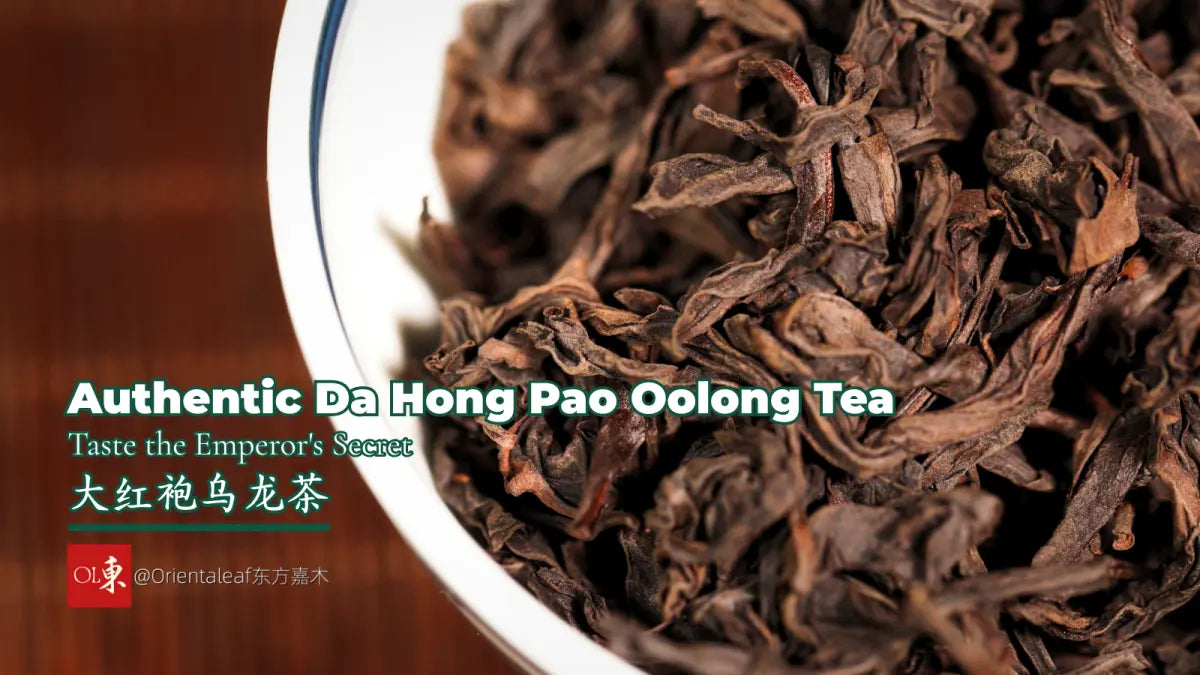
Dahongpao (大红袍): The Balanced King
- Nickname: Big Red Robe
- Core Identity: Dahongpao is the most famous Yan Cha. It has perfect balance and depth. A great Dahongpao mixes rich roasted notes with sweet floral hints and a strong mineral base. All other Wuyi rock teas are measured against it.
- Learn More: This tea's history is as rich as its flavor. Read our Da Hong Pao Oolong Tea Guide>>> for the full story.
Shui Xian (水仙): The Elegant Narcissus

- Nickname: Water Sprite or Narcissus
- Core Identity: If Dahongpao is the king, Shui Xian is the wise elder. People love it for its deep, smooth character. It has a clear floral smell (like narcissus or osmanthus) and a cozy aroma of wet wood and moss, especially from old bushes (Lao Cong). It's a tea with texture and depth.
- Learn More: Find out more about this Wuyi classic in our Wuyi Shuixian Oolong Tea Guide>>>.
Rou Gui (肉桂): The Aromatic Spice

- Nickname: Cinnamon
- Core Identity: Rou Gui is the exciting rising star of the Yan Cha world. You can spot it right away by its sharp, bright, spicy smell like cinnamon. It has a strong, lasting flavor that wakes up your mouth.
- Learn More: Learn the secrets of this aromatic tea in our Rou Gui Oolong Tea Guide>>>.
 |
SMOOTH & GENTLE Old Tree Rou Gui - Lao Shu Rou Gui Wuyi Yancha Old Tree Rou Gui oolong with bold cinnamon aroma, full-bodied taste, lasting rock rhyme. A strong, warming tea from the cliffs of Wuyi. |
The Ultimate Yancha Comparison Chart: Dahongpao vs Shui Xian vs Rou Gui
Now let's compare these three giants side by side. This chart shows their key differences clearly.
| Feature | Dahongpao | Shui Xian | Rou Gui |
|---|---|---|---|
| Primary Sensation | Balanced & Complex | Smooth & Elegant | Spicy & Vibrant |
| Aroma Profile | Roasted nuts, stone fruit (apricot), underlying florals | Orchids, honey, wet wood/moss (cong wei) | Pungent cinnamon, ginger, ripe tropical fruit |
| Flavor Notes | Mineral/rocky, dark chocolate, baked fruit, caramel | Mellow, woody, enduring floral sweetness, hints of bamboo | Sharp cinnamon spice, creamy texture, lingering sweet finish |
| Mouthfeel/Texture | Full-bodied, well-rounded, long finish (hui gan) | Thick, viscous, velvety, exceptionally smooth | Tingling, powerful, highly structured, almost electric |
| "Yan Yun" Expression | The classic, integrated, and all-encompassing "rock rhyme" | A deep, resonant, and lingering rhyme that coats the throat | A sharp, impactful, and persistent rhyme that stimulates |
| Cultivar Origin | Often a blend, or the pure Qidan cultivar | An old, classic Wuyi cultivar | A highly popular "new money" cultivar from the 1980s |
| Best For... | The quintessential Wuyi experience; a perfect start. | Contemplative moments; lovers of subtlety and texture. | A morning wake-up; fans of bold, aromatic flavors. |
Understanding these details is key to enjoying rock tea. The Wuyi rock tea differences come from the plant types, where they grow, and how the tea master processes them.
To master rock tea terms, see our Yancha Tea Terms Glossary. To learn where Yan Cha fits in the tea family, check our Best Oolong Tea Guide.
A Deeper Sensory Journey: Experiencing Each Tea's Evolution
Reading about tea is one thing. Tasting it as it changes in your cup is another. Let us walk you through what it's like to brew each tea.
The Dahongpao Experience: A Symphony of Roast and Rock

Our Zhengyan Da Hong Pao – Shi Ru Style (Rock-Grown, Milky Floral Aroma)
The journey starts when hot water hits the leaves. First comes a warm smell of roasted nuts and cocoa. The first sip is strong and grounding, showing its mineral heart.
By the second and third steeps, the roasted flavor steps back. A sweet floral note, like orchids, begins to show up, mixing with baked apricot and brown sugar. The tea feels full in your mouth.
A great Dahongpao stays balanced through many steeps. By the fifth or sixth cup, all flavors—rock, fruit, and flower—work together perfectly. The sweet aftertaste stays with you long after each sip.
To try this perfect balance yourself, explore our Dahongpao Collection>>>.
The Shui Xian Experience: The Grace of Old Trees

Our Lao Cong Shui Xian – Old Bush Shui Xian Oolong from Wuyi Mountains
Brewing Shui Xian, especially from old bushes, is about texture and subtle flavors. The wet leaves smell like a forest after rain: damp wood, moss, and gentle flowers.
The first sip is gentle but full. It doesn't jump out at you; it surrounds you. The most striking quality is how it feels—thick, smooth, almost like syrup. It slides down your throat with a calm smoothness.
With each new steep, the flavor gets deeper. The woody-mossy note, called cong wei (丛味), becomes clearer. This is the prized taste of age, showing the tea bush's deep roots. This woodiness comes with a lasting, elegant floral aftertaste that stays with you.
For elegance and depth, our Shui Xian Collection>>> offers options from young to old-bush teas.
The Rou Gui Experience: A Jolt of Aromatic Spice

Our Keng Jian Rou Gui | Pit-Valley Grown Wuyi Rock Oolong Tea
Get ready for a blast of aroma. When you rinse Rou Gui leaves, the air fills with a sharp, sweet smell of cassia cinnamon. No other tea is like it.
The first sip wakes up your senses. The main flavor is that special spice, but it's not simple. It's a complex spiciness over a creamy, full body with hints of ripe fruit and ginger. Your mouth tingles pleasantly from it.
What makes Rou Gui so popular is how strong it stays. When other teas might fade, Rou Gui keeps its spicy core through many steeps. Its huge popularity shows why people search for unique tea plants in Wuyishan.
If you like bold, aromatic tea, our Rou Gui Collection>>> is a must-try. It will energize your tea sessions.
Can you almost taste the differences? Reading about these teas is one thing, but trying them side-by-side is eye-opening. Our Wuyi Rock Tea Discovery Box lets you do just that. Don't pick just one—try them all and find your favorite.
Which Yan Cha is Right for You? A Practical Guide to Choosing Your Brew
Now that you know these teas, let's help you find your match based on what you already like.
If you are new to Wuyi Tea or love a balanced classic...
...Dahongpao is your perfect starting point. It gives you the most complete Yan Cha experience. It's like hearing a full orchestra; you get a taste of everything working together. It's where your Wuyi journey should begin.
If you enjoy subtle, elegant flavors and smooth textures (like aged wines or fine scotch)...
...Shui Xian will captivate you. Its beauty is in its depth and the slow unfolding of its flavors. If you care more about how tea feels in your mouth than how strong it smells at first, this is your tea. For the best experience, look for a Lao Cong (Old Bush) Shui Xian.
If you crave bold, aromatic, and spicy profiles (like specialty coffee or peaty whisky)...
...Rou Gui is the tea for you. Its power hits you right away. If you want a tea with a bright, exciting aroma and an intense, lasting flavor, Rou Gui won't let you down. It's an energizing experience you won't forget.
A Note on the 'Rock Rhyme'

Remember, all three teas have the basic mineral quality of Yan Cha. This Yan Yun, or "rock rhyme", is what makes Wuyi Oolong special. But it shows up differently in each: balanced in Dahongpao, deep in Shui Xian, and sharp in Rou Gui.
Mastering the Art: How to Brew Your Wuyi Rock Tea
To get all the complex flavors we've talked about, you need to brew these teas right. They deserve more care than just a teabag in a mug. A little effort in brewing will give you much better results.
-
Use a Gaiwan or Yixing Pot: You need these small brewing vessels for serious Yan Cha. They let you use more leaves with less water and make quick steeps, which helps you enjoy how the tea changes over many cups.
-
Water is Key: The minerals and roast in Yan Cha need high heat to open up. Always use fresh, filtered water at a full boil (95-100°C / 203-212°F). Don't worry about it being too hot.
-
Measure Your Leaf: For a 100-120ml gaiwan, use 5-7 grams of tea. The rolled leaves will expand a lot, so this might look like too much, but it's right for getting good flavor.
-
The Quick Rinse: Put your leaves in the warmed gaiwan. Pour boiling water over them, then pour it out right away. This rinse isn't for drinking; it cleans the leaves and starts to open them up.
-
Short, Successive Steeps: For the first real steep, pour boiling water over the leaves and wait only 10-15 seconds. Pour every drop into a pitcher or cups. For later steeps, add 5-10 seconds each time. Good Yan Cha can be steeped 8 or more times, with each cup showing something new.
Pro-Tip: More heavily roasted teas like some Dahongpao or Rou Gui might need a slightly longer first steep (about 20 seconds) to get past the roast. Lighter, more floral teas will release flavor faster.
For more detailed brewing tips, read our Master Guide to Brewing Yan Cha>>>.
Your Journey into Wuyi Yan Cha Starts Here
We've explored Wuyi's "Big 3." You now understand the main differences: Dahongpao, the balanced king; Shui Xian, the smooth elder; and Rou Gui, the vibrant spice.
But the most important thing is this: the real truth is in the tasting. These differences aren't just facts; they're experiences waiting in your cup. Your journey begins now.
You now know how Dahongpao, Shui Xian, and Rou Gui differ. But knowledge is just the start. The real magic happens when you taste them. We've found the best, most authentic Wuyi teas for you to try. Our Wuyi Rock Tea Discovery Box has 9 different varieties totaling 180g, letting you compare these legends side by side. Don't just read about rock rhyme—taste it. Order today with free worldwide shipping on your first step into the wider world of tea.

FAQ:
-
What are the main flavor differences between Dahongpao, Shui Xian, and Rou Gui?
Dahongpao offers balanced notes of roasted nuts and stone fruit with mineral undertones. Shui Xian presents smooth orchid and honey flavors with wet wood complexity. Rou Gui delivers vibrant cinnamon spice notes with tropical fruit undertones. -
Which Wuyi rock tea is best for beginners in 2025?
Dahongpao is ideal for beginners as it provides the most complete and balanced Wuyi rock tea experience with its perfect harmony of roast, mineral, and floral notes. -
How does the "rock rhyme" (Yan Yun) differ among these three teas?
Dahongpao exhibits a classic, integrated rock rhyme; Shui Xian presents a deep, resonant rhyme that coats the throat; Rou Gui delivers a sharp, impactful rhyme that stimulates the palate. -
What's the proper brewing method for Dahongpao, Shui Xian, and Rou Gui?
Use a gaiwan or Yixing pot with boiling water (95-100°C), 5-7g of leaves per 100ml, start with a quick rinse, then brew multiple short steeps starting at 10-15 seconds, increasing by 5-10 seconds each time. -
Which of the three Wuyi rock teas has the strongest aroma profile in 2025?
Rou Gui possesses the strongest, most distinctive aroma with its powerful cinnamon spice notes, making it immediately identifiable and the most aromatically intense of the three teas.
Every year, thousands of tea lovers visit our tea house to enjoy a peaceful cup of authentic tea. Now, you can bring that same experience home from Orientaleaf.com.
Brew Pro, Buy Smart
≡ Quick Navigation +/−
↑ click header to collapse
1. Key Takeaways 2. The Alluring World of Wuyi Rock Tea 3. Setting the Stage: The Terroir and Termi... 4. Meet the Contenders: A Snapshot of Yan C... 5. The Ultimate Yancha Comparison Chart: Da... 6. A Deeper Sensory Journey: Experiencing E... 7. Which Yan Cha is Right for You? A Practi... 8. Mastering the Art: How to Brew Your Wuyi... 9. Your Journey into Wuyi Yan Cha Starts He... 10. FAQ: 11. Brew Pro, Buy Smart


