"Most people think great tea is rare. In truth, it’s just poorly brewed."
Key Takeaways
- Loose leaf tea delivers richer flavor and aroma because whole leaves release essential oils gradually, unlike tea bag dust.
- You don’t need expensive tools—a mug, infuser, or French press is enough to start brewing authentic tea.
- Great tea depends on three elements: tea, water, and time, not strict rules or complicated rituals.
- Water quality matters more than most beginners realize—filtered or spring water dramatically improves taste.
- Different teas require different temperatures and steeping times to avoid bitterness and preserve character.
-
High-quality Chinese teas are meant to be re-steeped, offering evolving flavors across multiple infusions.

Stepping into the world of loose leaf tea can feel overwhelming. You've heard tea leaves are better than tea bags, but there are so many choices that might confuse you.
The good news is, learning how to make tea from loose leaves is much easier than you think. When you try it, you'll discover amazing flavors, smells, and experiences that tea bags just can't match.
This guide will walk you through all the simple steps to brew a perfect cup of Chinese tea at home. Don't worry about getting it perfect right away. The best way to brew loose leaf tea isn't about strict rules, but about learning a few basic ideas.
By the time you finish reading, you'll feel ready to enjoy all the wonderful flavors hiding in those whole tea leaves.
Why Choose Loose Leaf Tea? The Leap in Quality You Can Taste

Switching from tea bags to loose leaf is one of the best changes you can make to your daily routine.
The difference in quality is something you'll notice right away in how it looks, smells, and tastes.
It's like comparing a frozen pizza to one made fresh with quality ingredients, or instant coffee to a carefully brewed cup. One is quick and easy, while the other gives you a much better experience. Tea works the same way.
Here's why loose leaf tea is so much better:
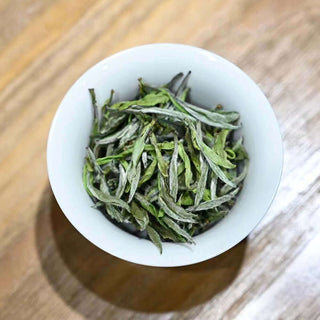
- Flavor & Aroma: Loose leaf tea has whole or large pieces of leaves. Tea bags often contain tiny bits called "fannings" or "dust." Whole leaves hold more essential oils and fragrant compounds that slowly release during brewing.
- Richness & Complexity: Since the leaves are whole, they can open up fully and release all their flavors. This gives you a cup with more depth and a better feeling in your mouth that tea bag dust simply can't match.
- Experience & Ritual: Measuring leaves, watching them move in the water, and pouring your tea becomes a mindful, enjoyable process. It turns a simple drink into a special moment.
At Orientaleaf.com, we only offer premium loose leaf teas from their authentic regions. Thousands of tea lovers enjoy our teas because we believe everyone should experience what real tea tastes like.
Your Brewing Toolkit: Essential Gear from Simple to Gongfu Style
Let's clear up something important right away: you don't need expensive equipment to start brewing loose leaf tea. The best way to brew is whatever works for you. You probably already have what you need in your kitchen.
As you learn more, you might want to buy more specific tools, but here's a breakdown of common methods and what you'll need, from very simple to traditional.
The Ultra-Simple Method (Grandpa Style)

This is the easiest way to brew tea and many people in China drink tea this way every day. You get to enjoy how the tea changes as you drink it.
- What You Need: A large mug or heat-resistant glass.
- How It Works: Just put tea leaves in your glass, pour hot water over them, and drink directly from the glass after the leaves settle to the bottom. Add more hot water as you drink.
- Best For: Stronger teas like some green teas, white teas, and black teas. Learn more details in our full Grandpa-style tea guide.
The Western Method

This is what most people in Western countries think of when brewing tea. It works well when making several cups at once.
- What You Need: A teapot with a built-in strainer or a separate infuser basket.
- How It Works: Put leaves in the infuser or directly in the pot, add hot water, steep for the right amount of time, then remove the infuser or pour the tea through a strainer into cups.
- Best For: Almost any type of tea, especially strong black teas and herbal teas.
The Versatile Method (French Press or Basket Infuser)

These tools offer a great middle option. They give tea leaves plenty of room while making it easy to separate the leaves from the water.
- What You Need: A French press or a large basket infuser that fits in your mug.
- How It Works: For a French press, add leaves and hot water, steep, then gently push down the plunger to separate the leaves. For a basket infuser, place it in your mug, add leaves and water, and lift it out when done steeping.
- Best For: Oolongs and other large-leaf teas that need space to open up. The complete separation stops the tea from getting too strong.
The Traditional Chinese Method (Gongfu Cha)

Gongfu Cha means "making tea with skill." It uses more leaves with less water and short, multiple steepings to explore how the tea's flavor changes over time. This is where the true art of Chinese tea comes alive.
- What You Need: A Gaiwan or a small Yixing clay teapot.
- What is a Gaiwan? A lidded bowl, the Gaiwan is the perfect tool for tasting tea. It lets you smell the wet leaves and gives you complete control over your brew.
- What is a Yixing Teapot? A small, unglazed teapot made from special clay that absorbs tea oils over time, making future brews even better. It's best to use one pot for one type of tea. Not sure which to choose? Our blog on gaiwan or purple clay teapot can help you decide.
- Best For: High-quality Oolong, Pu-erh, black, and white teas when you want to enjoy every subtle flavor. This method celebrates tea as a tradition deeply rooted in Chinese culture.
 |
SMOOTH & GENTLE To elegantly enjoy Chinese tea, you need at least 3 pieces of teaware: a Gaiwan, a tea cup, and this tools set. Handcrafted from bamboo. Order at OrientalLeaf. |
The Golden Triangle: Mastering the 3 Core Elements of Brewing
No matter which brewing method you choose, a perfect cup of tea always depends on three main elements. We call this the Golden Triangle.
It all comes down to Tea, Water, and Time.
Learning how these three things work together is the key to making delicious tea every time.
Element 1: The Tea (The Six Types of Chinese Tea)
First, you need to understand what you're brewing. "Tea" isn't just one thing. All true tea comes from the Camellia sinensis plant, but different processing methods create very different types of tea. In China, teas fall into six main categories, each with its own character and brewing needs.
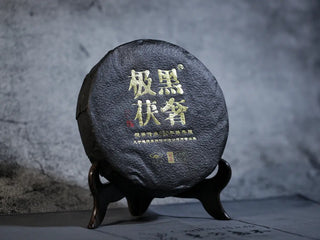
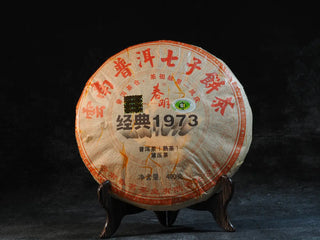
To make good choices, you should know the 6 types of Chinese tea: Green, White, Yellow, Oolong, Black, and Dark Tea.
Element 2: The Water (The Unsung Hero)
This is the most overlooked part, yet it's extremely important. Your tea is 99% water, so quality matters. Using bad water is like trying to paint a masterpiece with muddy colors—it will make even the best tea taste dull.
- What to Use: Filtered water (from a Brita, Pur, or similar filter) or good quality bottled spring water. These have balanced minerals that help bring out the full flavor of the tea.
-
What to Avoid:
- Hard Tap Water: Too many minerals can react with compounds in the tea, making it taste flat and creating a film on the surface.
- Distilled or RO Water: This water lacks the minerals needed for proper flavor extraction, resulting in a bland cup.
As a simple rule, if your water doesn't taste good by itself, it won't make good tea. Even cooking experts agree that water chemistry significantly affects taste in drinks like coffee and tea.
Element 3: Water Temperature & Time (The Dynamic Duo)
Temperature and time work together. Think of them as partners in a dance. They work as a team to extract flavor from the leaves.
The general rule is: the hotter the water, the shorter the steeping time.
Different tea types have different needs. Delicate teas like green and white tea need cooler water to prevent burning the leaves and releasing bitter flavors. Stronger teas like black and dark teas can handle boiling water to fully bring out their deep flavors.
A kettle that lets you set the temperature is the best tool for precision. It takes all the guesswork out of brewing. We designed our K-kou kettle specifically for this, letting you set the exact temperature for any tea. For more details, check our guide to perfect Chinese tea brewing temperatures.
 |
SMOOTH & GENTLE YXT Jingyang Golden Flower Fu Tea - First Grade - Yellow Can 300g Discover YXT Jingyang Fu Tea in the Classic Yellow Can. First-grade leaves, abundant golden flowers, mellow sweetness. Qinling origin. Shop 300g tin now! |
The Ultimate Chinese Tea Brewing Guide: Step-by-Step Instructions & Cheatsheet
Now we get to the most useful part of our guide. This is where you put what you've learned into practice. While every tea has its own character, we can start with a method that works for almost any tea.
5-Step Universal Brewing Method
Follow these five simple steps for a great cup every time, whether you're using a gaiwan, a teapot, or a simple infuser.
- Warm Your Vessel: Pour hot water into your teapot or gaiwan and then pour it out. This heats up the vessel so the brewing temperature stays consistent when you add the tea leaves.
- Measure Your Leaves: Add the right amount of loose leaf tea. A gram scale works best for consistency, but the chart below gives you easy starting points.
- Pour the Water: Pour water at the right temperature over the leaves. For some teas, like Pu-erh, a quick "rinse" (a 5-second steep that you throw away) helps wake up the leaves.
- Steep for the Recommended Time: Use a timer! This is where beginners often make mistakes. Start with the shorter end of the recommended time.
- Separate and Enjoy: Pour every drop of tea from your brewing vessel into a pitcher or your cup. This stops the steeping process and keeps the tea from becoming bitter. Good-quality leaves are ready for their next steeping.
Chinese Tea Brewing Cheatsheet
Bookmark this page! This chart is your quick reference for brewing the six main types of Chinese tea. These guidelines are based on the Gongfu style (using a gaiwan or small pot) but can be adapted for Western brewing (use the same amount of leaves for a larger 8oz/240ml vessel and steep for 2-4 minutes).
| Tea Type | Leaf Amount (per 100ml) | Water Temp (°C/°F) | Steeping Time (Gongfu) | What Happens if Brewed Wrong? | Shop This Tea |
|---|---|---|---|---|---|
| Green Tea | 3-4 grams | 80-85°C / 176-185°F | 10-20s, +5s each brew | Becomes intensely bitter and astringent ("scorched" taste). | Shop Green Tea |
| White Tea | 4-5 grams | 85-95°C / 185-203°F | 15-25s, +10s each brew | Loses its delicate sweetness and floral notes; can taste bland. | Shop White Tea or Yunnan White Tea |
| Oolong (Yancha) | 7-8 grams | 100°C / 212°F | 5-15s, +5s each brew | Harsh astringency can overpower the beautiful floral and roasty notes. | Shop Oolong Tea |
| Black Tea | 5 grams | 95-100°C / 203-212°F | 10-20s, +10s each brew | Becomes overly sharp, tannic, and can lose its malty or sweet character. | Shop Black Tea |
| Dark Tea (Pu-erh, etc.) | 6-7 grams | 100°C / 212°F | Rinse first. 10-20s, +5s each brew | Can taste muddy, overly earthy, or unpleasantly fishy if not rinsed. | Ripe Pu-erh, Raw Pu-erh, Fu Brick, Liu Bao |
| Jasmine Tea | 4-5 grams | 85-90°C / 185-194°F | 15-25s, +10s each brew | The jasmine aroma can become overpowering, perfume-like, and cloying. | Shop Scented Tea |
Note on Dark Tea: The unique character of teas like Pu-erh comes from a unique microbial fermentation process that requires a quick rinse with hot water to "awaken" the compressed leaves and wash away any dust from aging.
For a Deeper Dive into Brewing:
This chart is a powerful starting point. For more detailed instructions and tips for each specific tea, explore our dedicated brewing guides:
- For a deeper dive, see our complete guide on how to brew green tea perfectly.
- Master the robust flavors with our guide on how to brew black tea.
- Uncover the complexity of rock oolongs in our Yancha brewing master guide.
- Handle delicate leaves with care using our white tea brewing guide.
- Navigate the world of fermented teas with guides on Pu-erh, Fu Brick, and Liu Bao.
- Perfect the floral balance with our jasmine tea brewing guide.
- Explore long-infusion methods in our guide: Can you brew tea in a thermos?
Brewing Gone Wrong? How to Avoid These 5 Common Beginner Mistakes
Every tea expert has made these mistakes. Learning to recognize them is the fastest way to improve your brewing. We've all been there, and fixing problems is part of the learning process.
-
Mistake #1: Using Boiling Water for Everything.
- The Experience: "We've all burned a delicate Dragon Well green tea before. When the water is too hot, your expected sweet, nutty brew suddenly tastes bitter and disappointing."
- The Solution: Respect the type of tea. Check our temperature chart above. If you don't have a kettle that shows temperature, just boil water and let it cool for a few minutes before pouring it on delicate teas.
-
Mistake #2: Steeping for Too Long.
- The Experience: "It's tempting to think longer means stronger, but with tea, longer often just means bitter." Steeping too long is the number one cause of bad tea. It releases excess tannins, which causes bitterness.
- The Solution: Use a timer! Start with the shorter suggested time, especially for your first infusion. You can always steep longer next time, but you can't fix a bitter brew.
-
Mistake #3: Using Too Little or Too Many Leaves.
- The Experience: "Our first attempts were either watery and weak, or overwhelmingly strong and astringent. We were just guessing with a teaspoon."
- The Solution: A small digital scale (costing less than $15) is extremely helpful for tea brewing. It gives you consistency that a teaspoon—which varies a lot with different leaf sizes—never can. If you must use a spoon, use our chart as a starting point.
-
Mistake #4: Forgetting to Re-steep.
- The Experience: "You're throwing away half the flavor and all the value!" We see beginners brew a pot once and then toss the precious leaves.
- The Solution: Remember that high-quality loose leaf Chinese tea is made for multiple steepings. The flavor changes with each steep. A good Oolong or Pu-erh can easily give you 5, 8, or even more delicious cups from a single serving of leaves.
-
Mistake #5: Using Poor Quality Water.
- The Experience: "We brewed a premium, single-origin tea with hard tap water and wondered why it tasted so flat and lifeless."
- The Solution: We can't say it enough: your tea is mostly water. Switch to filtered or spring water and taste the immediate, dramatic improvement in clarity and flavor.
Your Journey into Chinese Tea Starts Now
We've covered a lot, but the main idea is simple: brewing delicious loose leaf tea is an easy and rewarding skill. It all comes down to the "Golden Triangle"—understanding your tea, using good water, and controlling temperature and time.
This guide gives you the basics, but don't be afraid to experiment. Change one thing at a time—a little more leaf, 5 seconds less steeping time—and see what happens. This is how you develop your own taste and discover what you truly love in the vast and fascinating world of tea.
The best way to learn is to start brewing. Your perfect cup of tea is waiting for you.
Ready to begin? Explore our curated collections and find the tea that speaks to you.
FAQs About How to Make Tea From Loose Leaves
-
What equipment do I need to start brewing loose leaf tea?
You don't need anything fancy to start - a mug, infuser basket, or French press works perfectly. As you advance, you might consider a gaiwan or small teapot for traditional Chinese brewing. -
What's the correct water temperature for brewing different types of loose leaf tea?
Green tea needs 176-185°F water, white tea 185-203°F, while black and dark teas require near-boiling water at 203-212°F to extract optimal flavor without bitterness. -
How much loose leaf tea should I use per cup?
For a standard 8oz cup, use about 2-3g for green tea, 3g for white tea, 4-5g for oolong, and 3-4g for black tea. Adjust to taste as you become more experienced. -
Can I reuse loose tea leaves for multiple brews?
Yes! Quality loose tea leaves are designed for multiple infusions. Good oolong or pu-erh can yield 5-8+ delicious cups, with flavors evolving with each steep. -
Why does my loose leaf tea taste bitter?
Bitterness usually comes from using water that's too hot, steeping too long, or using too many leaves. Follow temperature guidelines and timing for each tea type to avoid this common mistake.
Every year, thousands of tea lovers visit our tea house to enjoy a peaceful cup of authentic tea. Now, you can bring that same experience home from Orientaleaf.com.
Brew Pro, Buy Smart
≡ Quick Navigation +/−
↑ click header to collapse
1. Key Takeaways 2. Why Choose Loose Leaf Tea? The Leap in Q... 3. Your Brewing Toolkit: Essential Gear fro... 4. The Golden Triangle: Mastering the 3 Cor... 5. The Ultimate Chinese Tea Brewing Guide: ... 6. Brewing Gone Wrong? How to Avoid These 5... 7. Your Journey into Chinese Tea Starts Now 8. FAQs About How to Make Tea From Loose Le... 9. Brew Pro, Buy Smart