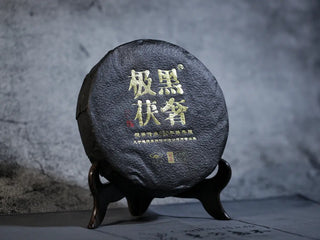
"In the quiet hours, tea becomes more than a drink—it becomes a ritual."
Key Takeaways
- Chinese tea can be enjoyed at night if you choose low-caffeine varieties like ripe Pu-erh.
- L-theanine offsets caffeine, creating a balanced state of calm alertness.
- Tea type and processing method affect caffeine levels and suitability for evenings.
- Drink tea 1–2 hours before bed to reduce any impact on sleep.
-
True tea offers unique neurological benefits not found in herbal tisanes.

Yes, you can absolutely enjoy a soothing cup of Chinese tea before bed. The belief that all tea disrupts sleep is wrong. The secret to a perfect evening brew is making smart choices, not avoiding tea completely.
Success depends on three key factors that we will explore in this guide:
- Tea Selection: Choosing teas with less caffeine and more calming compounds.
- Brewing Method: Using special techniques to reduce caffeine.
- Personal Sensitivity: Understanding how your own body responds to tea.
Master these, and you'll discover many peaceful evening tea options beyond the usual herbal teas.
Understanding the "Night-Time Tea" Dilemma: Caffeine vs. Calm
Table: Caffeine Content at a Glance
| Beverage (8 oz / 240ml) | Average Caffeine (mg) |
|---|---|
| Coffee | 95 mg |
| Black Tea | 47 mg |
| Oolong Tea | 37 mg |
| Green Tea | 28 mg |
| Ripe Pu-erh (low) | ~15-25 mg |
As you can see, even regular teas have less caffeine than coffee. More importantly, processes like the fermentation of Ripe Pu-erh create a tea that is gentle and perfect for relaxing.
The Best Chinese Teas for Your Evening Ritual
For those wanting a calming, sleep-friendly cup, Chinese tea offers many great options. Here are our top picks for evening teas.
1. Ripe Pu-erh Tea (Shou Pu-erh): The Gentle Giant

img: Yunnan Red Glow Ripe Pu-erh Tea Mini Cake – 100g, High-Mountain Spring 2018
Ripe Pu-erh is perhaps the best night-time tea. It goes through a special fermentation process that changes its chemical makeup.
- Why it works: This process mellows the tea, reducing both caffeine and stomach stimulation that younger teas might cause.
- Flavor Profile: It has a deep, earthy, and smooth taste, often with hints of dark chocolate, wood, or sweet dates. Its warming quality is very comforting.
- Our Recommendation: Check out our collection of Ripe Pu-erh Tea for a truly grounding evening experience.
2. Fu Brick Tea (Fuzhuan Cha): The Probiotic-Rich Choice

img: mini Fuzhuan Tea Flight No.1 | 3-Region Taster
Fu Brick is a dark tea known for its special feature: the "Golden Flowers" or Eurotium cristatum. This is a helpful probiotic that grows during its fermentation process.
- Why it works: The fermentation lowers caffeine and adds these good microbes. Many people find that Fu Brick tea helps with digestion and creates a feeling of well-being and calm.
- Flavor Profile: It has a distinct, sweet, mellow, and slightly fruity flavor that is both complex and comforting.
- Our Recommendation: Explore other unique Dark Teas to add a fascinating new dimension to your tea journey.
Curious about Fu Brick tea? Explore our complete guide to this probiotic-rich dark tea. Click here to begin your Fu Brick journey!
👉 Try our Fu Brick Tea Discovery Box (10 Varieties, Total 300g) to experience the full variety of flavors and golden flowers in one curated set.
3. Aged White Tea: Mellowed by Time
While young white tea can be crisp with some caffeine, aged white tea is very different. Over years of aging, the tea transforms completely.
- Why it works: Time smooths the tea's sharp edges. The initial "cooling" quality of white tea becomes more neutral and warming. The caffeine effect becomes softer, losing its stimulating edge.
- Flavor Profile: The flavor deepens from light and floral to rich and complex, with notes of honey, dried fruit, and a pleasant sweet quality.
- Our Recommendation: Find beautiful aged, and fresh White Tea here to experience the wonderful evolution of flavor.
👉 Discover the full spectrum of white tea with our Fuding White Tea Discovery Box – 10 Varieties, 216g
4. A Special Mention: GABA-Enriched Teas for Ultimate Relaxation
For those sensitive to caffeine or seeking extra calm, GABA-enriched teas are an outstanding modern option.
These teas are processed in a nitrogen-rich, oxygen-free environment, which increases their content of Gamma-aminobutyric acid (GABA). GABA is a brain chemical that helps calm your nervous system and reduce stress and anxiety.
For those who are sensitive or want extra relaxation, a GABA-enriched tea can be an excellent choice. For example, a gentle GABA-enriched Mini Raw Pu-erh Tea is specially processed to enhance these relaxing properties.
Teas to Approach with Caution in the Evening
Your personal sensitivity is always most important, but we generally suggest being careful with these types of tea right before sleep.
-
Young Sheng (Raw) Pu-erh and Green Teas: These teas aren't fermented or are only lightly oxidized. They have more caffeine and can have a stronger stimulating effect on the body. While bright and refreshing, save our Green Tea for daytime or early afternoon.
-
Many Black Teas and Oolongs: Questions like “black tea before bed” or “oolong tea at night” often come up because these teas typically contain moderate caffeine. For many people, their bright, aromatic profiles make them better suited for earlier in the evening rather than immediately before sleep.
However—processing matters. If you enjoy Black Tea or Oolong Tea, choosing heavier‑roasted or aged varieties can make a noticeable difference in how stimulating they feel. We’ll explore this in more detail below.
Oolong Tea at Night: The Special Case of Heavy Roast and Aged Varieties
When people search for “oolong tea before bed,” they often encounter a simple rule: avoid oolong at night.
But oolong tea is not a single flavor profile or processing style. It’s a broad category with dramatically different levels of fermentation, aroma, and stimulation. That means the answer to “is oolong tea good for sleep” depends entirely on which oolong you choose.
Why Some Oolongs Are Stimulating While Others Are Calming
Light‑fermented, fragrant oolongs—such as modern green‑style Tie Guan Yin or certain high‑mountain Taiwanese teas—retain more fresh aromatics and active caffeine structures.
These teas can feel bright, uplifting, even a bit energizing, and this is where the concern of “does oolong tea keep you awake” comes from.
But another group of oolongs behaves very differently at night:
heavily roasted and aged oolongs, which tend to be deeper, smoother, and far less stimulating.
The Power of Roasting: How High Heat Lowers Caffeine
For darker Fujian and Wuyi oolongs or Yancha 岩茶, roasting isn't just a flavor decision—it changes the chemistry of the tea. Read more about Oolong tea roasting.
During high‑temperature charcoal roasting:
- caffeine becomes more volatile
- part of it can sublimate (evaporate away)
- resulting in lower caffeine content and a much gentler effect on the nervous system
This is why heavy roast oolong is often more night‑friendly than greener, lightly oxidized oolongs.
Aged Oolong: How Time Softens the Stimulating Edge
Oolongs stored and re‑roasted over 10, 15, or even 20 years undergo slow natural transformations:
- Caffeine and theobromine become more stabilized
- Polyphenols oxidize and polymerize
- harsh or sharp notes mellow out
- the resulting tea becomes rounder, softer, and deeply calming
For many tea drinkers, aged oolong feels almost meditative—an ideal quality in a nighttime tea.
Recommendation: The Best Oolongs to Choose Before Bed

img: Zhengyan Da Hong Pao – Shi Ru Style (Rock-Grown, Milky Floral Aroma)
If you love oolong but don’t want nighttime stimulation, these are your safest choices:
- Da Hong Pao (heavy roast versions)
- Wuyi Rou Gui with substantial roasting
- Aged oolong that has been stored for 10+ years
These teas offer warmth, stability, and a comforting, grounding character that pairs beautifully with a winding‑down routine.
Just like oolong, jasmine tea is another category that often creates confusion at night — some people find it relaxing, while others feel it keeps them awake. Understanding both sides of jasmine tea helps explain why these different experiences occur.
Jasmine Tea’s Dual Nature: Calming Aroma, Energizing Base
“Jasmine tea at night” is one of the most frequently debated topics among evening tea drinkers.
The key is that jasmine tea naturally contains two opposite forces: a calming floral aroma and a caffeinated tea base.
The Aromatherapeutic Effect: How Jasmine Scent Supports Relaxation

img: Ink Snow (Mo Xue) Jasmine Tea
Jasmine flowers release aromatic compounds that are known for their influence on the parasympathetic nervous system — the part responsible for rest and emotional regulation.
These volatile components are associated with:
- reduced mental tension
- lowered heart rate
- gentle calming effects
- a sense of emotional comfort
This is why many people genuinely feel relaxed after drinking jasmine tea, even if they can’t explain why.
The Hidden Caffeine: Why Jasmine Tea Can Still Be Stimulating
However, most jasmine teas are made using a green tea base, typically a pan-fired “烘青” style.
This means:
- the jasmine aroma may soothe you
- but the underlying green tea still carries caffeine
So questions like “can I drink jasmine tea at night?” or “does jasmine tea help you sleep?” reflect a real duality: jasmine tea can be both relaxing and mildly energizing.
Finding the Balance: How to Enjoy Jasmine Tea at Night
If you love jasmine tea and want to enjoy it later in the evening, you don’t have to give it up. Instead, modify how you choose and brew it:
-
Pick jasmine tea scented more times (higher aroma intensity).
More scenting rounds deepen the relaxing fragrance without increasing caffeine. -
Use half your usual leaf amount at night.
This significantly reduces caffeine while still releasing the calming jasmine aromatics.
This approach gives you the best of both worlds: the soothing scent without unnecessary stimulation.
A Caffeine-Free Alternative: Pure Jasmine Blossoms
If you’re very sensitive to caffeine, consider switching to:
- pure dried jasmine petals
They offer the same comforting aroma without any tea leaves — and therefore zero caffeine.
Black Tea at Night: Full Fermentation, Gentle Warmth

img: Authentic Jin Jun Mei | Pit-Grown Black Tea from Tongmuguan, Wuyi
Searches for “black tea at night” often carry an expectation of comfort — warmth, depth, maybe even a splash of milk.
While black tea contains caffeine, its fully fermented nature gives it a uniquely mellow, stomach‑friendly profile that sets it apart from greener teas.
Fully Fermented, Naturally Gentle
Black tea goes through complete oxidation, during which tea polyphenols transform into theaflavins and thearubigins.
These compounds:
- soften the tea’s sharpness
- create a round, smooth body
- significantly reduce irritation to the stomach lining
- add natural warmth to the tea’s character
This is why drinking black tea before bed can feel comforting for some people, especially compared to green or lightly oxidized teas.
Milk in Black Tea: Why It Can Feel Even More Soothing
Many Western tea traditions enjoy black tea with hot milk — and there’s a functional reason this works well in the evening.
Adding a small amount of warm milk can:
- coat the stomach
- soften tannins
- slow down the absorption of caffeine
- create a gentler, grounding nighttime beverage
This is also why “black tea with milk for sleep” appears in search trends, and why drinks like Earl Grey with milk are popular wind‑down choices at night.
Who May Benefit from Black Tea at Night?
Black tea can be a helpful evening option for people who:
- often feel cold hands and feet at night
- prefer a warm, comforting drink before bed
- find green tea too sharp or stimulating
- enjoy deeper flavors without the intensity of coffee
For those with naturally cold constitutions, aged black teas can feel particularly nourishing — their mellow, earthy warmth aligns well with relaxing nighttime routines.
Chinese Sleep Herbs and “Non‑Tea Teas”: A TCM‑Inspired Approach
When people search for “Chinese sleep tea,” they’re often looking for something broader than traditional tea. In Chinese culture, nighttime beverages frequently include herbal infusions that don’t come from the tea plant at all — and many of them pair beautifully with true teas to create a calming evening routine.
Redefining “Tea”: True Tea vs. Herbal Infusions
In Western contexts, “tea” can refer to almost any steeped plant.
But traditionally, true tea comes only from Camellia sinensis — green, white, oolong, black, and dark tea.
Everything else, from jujube slices to goji berries, falls into the category of herbal infusions or TCM‑inspired wellness drinks, and they are naturally caffeine‑free.
For nighttime, these herbal brews can be especially helpful because they offer warmth and comfort without stimulation.
A Classic TCM Ingredient: Suan Zao Ren (Ziziphus Seed)
Among traditional calming herbs, Suan Zao Ren is one of the most well‑known.
In a food‑based, non‑medical context, it is traditionally valued for its gentle, grounding qualities and is often used in evening broths, brews, or mild tonics intended to support relaxation before bed.
While it’s not a “quick fix,” its long cultural history is why it appears frequently in searches for “TCM tea for sleep.”
Food‑Therapy Favorites: Jujube, Goji Berries, and Longan
Chinese home kitchens have long relied on ingredients that bridge the line between food and gentle tonic — the concept of 药食同源, “food and herbs sharing the same origin.”
Popular nighttime choices include:
- Dried jujube (red date): warming, comforting, and commonly simmered into relaxing evening drinks.
- Goji berries: mild, naturally sweet, and easy to pair with warm water or tea at night.
- Dried longan: often used in soothing bedtime infusions, offering gentle sweetness and warmth.
These ingredients can be brewed alone or added to small amounts of tea to create a nourishing bedtime blend.
If you enjoy experimenting, you might like our guide to traditional pairings: The Art of Chinese Tea Blends.
The Orientaleaf Philosophy: Balance Between True Tea and Traditional Herbs
At Orientaleaf, we believe nighttime tea isn’t about avoiding tea altogether — it’s about finding balance.
A small amount of gentle true tea can coexist beautifully with East Asian traditions of calming herbs and warming foods.
Understanding your body’s needs and choosing the right combinations can turn your evening cup into a grounding ritual.
For readers exploring how TCM perspectives connect with tea choices, here’s a helpful companion guide: The Best Tea for Your Body Type: A TCM Guide to Personalized Wellness.
Master Your Night-Time Brew: 4 Steps to a Sleep-Friendly Cup
Choosing the right tea is only half the battle. How you brew it can make a big difference in the final cup's character and caffeine level. Here are four expert techniques we use to create a perfectly soothing evening brew.
1. The "Flash Rinse" Technique
This is a must-do step in our evening tea ritual. Caffeine dissolves quickly in hot water and is one of the first compounds to come out of the leaf. A quick rinse can wash away some of it.
Before your first real steep, pour hot water over the leaves and immediately discard the liquid after 5-10 seconds. This "wakes up" the leaves and washes away some surface caffeine and any tea dust.
2. Lower Temperature, Shorter Steeps
Caffeine extraction depends on both water temperature and time. For your evening session, try using slightly cooler water than you might during the day (e.g., 90-95°C or 195-205°F for a Ripe Pu-erh instead of a full boil).
More importantly, keep your steeping times short. Start with a brief steep of 15-20 seconds for the first few infusions. This gets the flavor and calming compounds without drawing out as much caffeine. You can gradually extend the time in later infusions as the leaves' strength decreases.
3. Be Mindful of Volume
An evening tea session should focus on quality, not quantity. We recommend using a small teapot or a gaiwan and small tasting cups. This helps you slow down, enjoy each small sip, and pay attention to your body's signals, rather than mindlessly drinking a large mug.
4. Create a Calming Ritual
The act of brewing tea itself can be a powerful form of mindfulness. Turning a simple drink into a calming bedtime ritual signals to your body and mind that it's time to relax. Notice the sound of the water, the warmth of the cup in your hands, and the unfolding aroma of the leaves. This mindful process is as beneficial as the tea itself.
More Than Sleep: The Added Benefits of an Evening Tea
While better relaxation is a main goal, a nightly tea ritual offers much more. Adding a cup of the right Chinese tea to your evening can support your overall well-being in several ways.
- Aids Digestion: Teas like Ripe Pu-erh and Fu Brick Tea are traditionally drunk after heavy meals to help break down rich foods and soothe the stomach, preventing discomfort that could interfere with sleep.
- Promotes Hydration: It's a flavorful, calorie-free, and sugar-free way to stay hydrated in the evening, which is crucial for your body's functions.
- Provides a Moment of Mindfulness: The ritual creates a clear boundary between the stress of the day and the peace of the night, offering a mental buffer that helps you decompress.
- Rich in Antioxidants: All true tea is a source of antioxidants, which fight harmful oxidative stress in your body.
Your Journey to the Perfect Night-Time Tea Starts Here
Embracing tea at night is a journey of discovery. The key is to move beyond fear and into a state of mindful exploration.
By choosing the right teas—like a soothing Ripe Pu-erh, a digestive Fu Brick, or a mellow Aged White Tea—and using sleep-friendly brewing methods like the flash rinse and short steeps, you can enjoy all the benefits without worry.
Ultimately, the most important step is to listen to your body and observe how different teas affect you, as everyone's sensitivity is unique.
The world of Chinese tea is vast and wonderful. If you're eager to begin exploring but aren't sure where to start, a curated selection can be the perfect guide. Our Discovery Box is designed to introduce you to a variety of tea types, allowing you to find the perfect evening companion for your own unique taste and needs.
FAQ
-
Can drinking Chinese tea at night affect my sleep quality?
Not all Chinese teas will disrupt sleep. Fermented teas like ripe pu-erh and aged white tea contain less caffeine and more relaxing compounds, making them excellent choices for nighttime consumption. -
What is the best Chinese tea to drink before bed in 2025?
Ripe (Shou) Pu-erh is considered the ideal nighttime tea due to its special fermentation process that reduces caffeine content while providing a deep, earthy flavor that promotes relaxation. -
How can I reduce caffeine in my tea at night?
Use the "flash rinse" technique by discarding the first quick steep, brew at lower temperatures (90-95°C), keep steeping times short (15-20 seconds), and choose aged or fermented teas. -
Are there any Chinese teas with special relaxation properties for night drinking?
Yes, GABA-enriched teas are specially processed to increase gamma-aminobutyric acid, a compound that calms the nervous system and reduces anxiety, making them excellent for evening consumption. -
Which Chinese teas should I avoid drinking at night?
Young raw (Sheng) pu-erh, fresh green teas, and most black and oolong teas have higher caffeine content and more stimulating effects, making them less suitable for nighttime drinking.
Each year, we serve thousands of satisfied tea enthusiasts in our tea house, and we're excited to share these exceptional teas with tea lovers worldwide at Orientaleaf.com.
Everyone’s night is different. Share your go-to night-time tea or a calming tea habit you love!