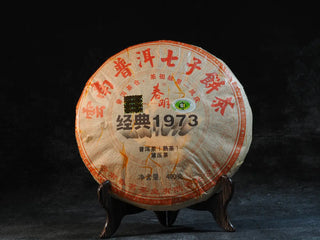
"Pu-erh tea may support digestion by feeding good gut bacteria and helping break down fat after fermentation — but most proof comes from animal studies, not human trials."
Key Takeaways
- Raw (sheng) and ripe (shou) pu-erh affect your stomach very differently — ripe's wet-piling fermentation breaks down harsh compounds, making it the gentler choice for digestion.
- Peer-reviewed animal studies show pu-erh extract can balance gut bacteria and reduce intestinal inflammation — but large human clinical trials are still needed before calling it a proven digestive remedy.
- Stomach discomfort usually comes from drinking on an empty stomach, choosing the wrong type, or poor storage — not from pu-erh itself.
- The best time to drink pu-erh is 30–60 minutes after meals — this traditional timing lets the tea support digestion without irritating an empty stomach.
- Storage quality matters more than tea type for digestive comfort — dry-stored pu-erh avoids the mold and musty notes that can upset sensitive stomachs.
- Ripe pu-erh's fermentation creates theabrownins and other postbiotic compounds that may act like prebiotics, feeding beneficial gut bacteria while calming inflammation.
- Start small with a clean, dry-stored ripe pu-erh after a meal — this is the safest way to test your personal tolerance before making it a daily habit.

What Is the Difference Between Raw (Sheng) and Ripe (Shou) Pu-erh Tea?
Raw (sheng) and ripe (shou) pu-erh teas go through very different processing and fermentation steps, and this directly changes how each one affects your stomach. Both start as leaves from the same broad-leaf tea tree — Camellia sinensis var. assamica — grown in Yunnan province. But what happens after harvest shapes each tea's chemistry, flavor, and how it feels once it hits your stomach.
Sheng pu-erh gets minimal processing. Workers sun-dry the leaves into "maocha," then let the tea age naturally over months, years, or even decades. Because there's no fast-tracked fermentation, sheng keeps fairly high levels of polyphenols (plant compounds with antioxidant effects) and caffeine, especially when it's young.
Shou pu-erh works differently. It goes through a controlled microbial fermentation process called "wet piling" (wo dui), where workers pile up the leaves, dampen them, and heat them to speed up microbial activity. This changes the tea's chemistry, producing more theabrownins (pigmented compounds linked to a smooth taste) and toning down some of the harsher compounds found in unfermented leaf.
Food science research shows that these different fermentation levels give sheng and shou pu-erh measurably different amounts of catechins, polyphenols, and other active compounds. That's a big part of why the two teas can feel so different once you drink them. Because shou pu-erh's fermentation process looks a lot like other fermented foods studied for gut health, most of the digestive-support research and discussion below focuses mainly on ripe pu-erh rather than raw. If you're new to pu-erh and want a deeper comparison, see our complete guide to Raw vs. Ripe Pu-erh.
What Makes Raw (Sheng) Pu-erh Different?

Raw pu-erh goes through very little processing and keeps fermenting naturally over time. It holds onto higher levels of polyphenols and caffeine, which can be more stimulating to the stomach, especially when the tea is fresh. Since sheng pu-erh skips the accelerated fermentation step, its chemical makeup stays close to green tea in its early years — bright, sharp-tasting, and sometimes bitter. This higher polyphenol and caffeine content can boost stomach acid production. That's one reason why some drinkers say young raw pu-erh feels harsh on an empty or sensitive stomach.
Aged sheng, stored for many years, does mellow out somewhat as it slowly oxidizes. But it generally stays more stimulating than its fermented counterpart.
What Makes Ripe (Shou) Pu-erh Different?

Ripe pu-erh goes through fast microbial fermentation that turns harsh compounds into gentler, easier-to-digest substances, which makes it a common choice for digestive comfort. During wet piling, natural microorganisms break down some of the sharper polyphenols while creating theabrownins, the pigmented compounds behind the tea's smooth, earthy taste. This process works much like how other fermented foods develop helpful byproducts. That's why shou pu-erh is generally seen as the more stomach-friendly option and gets the most attention in digestion-related research.
Reading this guide and thinking about trying ripe pu-erh for your digestion?
We tasted over sixty shou pu-erh samples and kept only the cleanest, most digestion-friendly ones — all dry-stored in our Xi'an facility, with no musty notes or swampy aftertaste.
Browse Our Ripe Pu-erh Collection →Does Pu-erh Tea Help Digestion?
Yes — research suggests that pu-erh tea's fermentation process creates compounds and postbiotics (helpful substances produced during fermentation) that may support a healthy gut and ease digestion, according to studies in peer-reviewed journals. A study published in Food Science & Nutrition looked at how pu-erh tea extract affected gut inflammation in mice with disrupted gut bacteria. The extract helped balance their gut microbiota and lowered markers of intestinal inflammation. Separate research on ripened pu-erh tea, sometimes credited to Zhao and colleagues, explored how fermentation-derived compounds interact with the gut microbiome, pointing to possible metabolic and antioxidant benefits.
These findings connect back to the fermentation process described earlier. Theabrownins and other polyphenol byproducts created during wet piling seem to act somewhat like prebiotic or postbiotic compounds — they may feed good bacteria while helping calm inflammation in the gut lining. Since this type of fermentation only happens in ripe pu-erh, these particular benefits are generally linked to shou rather than sheng, which reinforces why ripe pu-erh tends to be the type recommended for digestive support.
That said, most of this research so far has happened in animal models, not large human clinical trials. The mechanisms look promising, but health experts and researchers agree that more human studies are needed before anyone can call pu-erh tea a proven digestive remedy rather than a supportive habit.
What Does Science Say About Gut Bacteria?
Peer-reviewed animal studies suggest that Pu-erh tea may influence gut health by modulating the gut microbiota and reducing intestinal inflammation.
In a 2021 study published in Food Science & Nutrition, researchers investigated the effects of ripe Pu-erh tea extract in mice with antibiotic-induced gut microbiota disruption. The study found that Pu-erh tea extract helped alleviate intestinal inflammation and promoted a healthier microbial balance, including an increase in beneficial bacteria such as Lactobacillus and Bifidobacterium.
Zhang et al. (2021), Food Science & Nutrition: “Pu-erh tea extraction alleviates intestinal inflammation in mice with flora disorder by regulating gut microbiota”
More recent research has specifically examined theabrownin, a characteristic compound formed during the fermentation and oxidation processes of Pu-erh tea. A 2024 study published in Phytomedicine found that theabrownin improved intestinal homeostasis and reduced colitis-related inflammation in mice, with effects involving the gut microbiota and TLR2/4 signaling pathways.
Zhao et al. (2024), Phytomedicine: “Theabrownin from Pu-erh Tea Improves DSS-Induced Colitis via Restoring Gut Homeostasis and Inhibiting TLR2&4 Signaling Pathway”
A further study published in Food & Function in 2026 reported that theabrownin improved intestinal barrier integrity and microbiota balance in a mouse model of inflammation, and proposed a specific mechanism involving the ST6GalNAc6–STn–MUC2 axis.
Xie et al. (2026), Food & Function: “Theabrownin derived from Pu-erh tea enhances intestinal barrier integrity and microbiota balance via the ST6GalNAc6-STn-MUC2 axis in inflammation”
It is important to note that these findings are based on animal studies. While the results are promising, well-designed human clinical trials are still needed to determine whether Pu-erh tea or its bioactive compounds provide similar benefits for gut health in humans.
Looking for teas that are genuinely gentle on your stomach?
Our Stomach-Friendly Teas collection features only clean, dry-stored fermented teas — each one selected specifically for digestive comfort, not just marketing claims. No harsh raw teas, no questionable storage.
Explore Stomach-Friendly Teas → |
COLLECTOR'S PICK 2018 Dazhai Ancient Tree Raw Pu-erh Tea Cake – 357g Premium Yunnan Sheng Shop 2018 Dazhai Ancient Tree Raw Pu-erh from Yunnan's legendary tea mountains. Dry-stored Sheng with orchid notes & exceptional aging potential. |
Why Does Pu-erh Tea Give Me Stomach Issues?
Stomach discomfort from pu-erh tea usually comes from drinking it on an empty stomach, picking the wrong type (raw vs. ripe), drinking low-quality or badly stored tea, or having high caffeine sensitivity — not from some flaw in pu-erh itself. Given the differences covered earlier, it makes sense that raw pu-erh — with its higher polyphenol and caffeine content — gets blamed for stomach upset more often, especially in its younger, less-aged forms. Ripe pu-erh, having gone through fermentation, tends to be gentler, though it still contains some caffeine and acidity.
WebMD notes that common side effects associated with Pu-erh tea are mainly related to its caffeine content, including jitteriness, trouble sleeping, and an upset stomach—effects also reported in research on caffeine-related adverse effects. Pu-erh usually has less caffeine than coffee or black tea, so these effects tend to be milder — but they're not zero, especially for people who are very sensitive to caffeine or who drink several cups in a short time.
It's also worth separating personal stories from actual scientific evidence. Online tea forums are full of individual accounts — some drinkers say pu-erh soothes acid reflux, while others say it triggers symptoms similar to irritable bowel syndrome (IBS). These stories are useful as anecdotes, but they're not controlled evidence. How your gut reacts to tea depends on your personal sensitivity, any existing conditions, and even which specific batch of tea you drink. For a deeper look at why some teas cause stomach trouble, see our guide on why tea can upset your stomach and how to avoid it.
One factor people often overlook in these stories is storage quality. Tea that picked up mold, musty smells, or contamination from bad storage can cause real digestive discomfort. This problem has little to do with pu-erh as a category of tea and a lot to do with how that particular batch was made and stored — a topic we'll dig into further below.
Is Pu-erh Tea Safe for Sensitive Stomachs?
For most healthy adults, drinking well-stored ripe pu-erh tea in moderation is considered safe. But people with acid reflux or IBS should start with small amounts and pick high-quality, clean-tasting tea. WebMD's overview of pu-erh tea says it's generally safe for most people in moderate amounts, but anyone with existing health conditions or taking medications should talk to a doctor before drinking it regularly, given possible interactions with caffeine sensitivity and certain drugs. If your digestion is sensitive, start with a small serving of ripe pu-erh after a meal — instead of a large dose on an empty stomach — as a smart way to test your own tolerance before making it a regular habit.
What Happens When Drinking Pu-erh on an Empty Stomach?
Drinking pu-erh tea on an empty stomach can cause heartburn or discomfort in some people, mainly because its acidity and caffeine boost stomach acid production. Raw pu-erh tends to be more irritating than ripe pu-erh in this situation. When your stomach is empty, there's little food around to soften the tea's natural acidity and caffeine, which can spike stomach acid production. For some drinkers, this shows up as a burning feeling, mild nausea, or general stomach unease shortly after the first sip.
This is exactly why tea traditions across China and Southeast Asia grew the habit of pairing pu-erh with meals instead of drinking it alone. Several tea industry sources agree on a similar rule of thumb: wait roughly 30 to 60 minutes after eating before brewing a cup. This gives your stomach time to start digesting food before you add more acid-stimulating compounds. This same timing shows up consistently across brewing guides and traditional practice, which suggests it reflects a widely shared, practical habit rather than one person's opinion.
This also ties back to the sheng-versus-shou difference discussed earlier. Raw pu-erh's cooling, sharper character tends to be more provoking on an empty stomach, while ripe pu-erh's warmer, fermented profile is usually better tolerated — though neither type works well as a true first-thing-in-the-morning drink before eating anything. This is one more reason why ripe pu-erh tends to be the more practical everyday choice for anyone focused on digestive comfort. For a complete breakdown of which teas work on an empty stomach and which don't, read our guide to drinking Chinese tea on an empty stomach.
When Is the Best Time to Drink Pu-erh?
Most tea traditions suggest drinking pu-erh tea 30 to 60 minutes after meals, especially rich or oily ones, to support digestion without irritating an empty stomach. This timing matches the traditional dim sum habit of serving pu-erh alongside or after a fatty meal. It lets the tea's compounds help with that post-meal heaviness instead of hitting an empty digestive tract. In practice, this might look like a cup of ripe pu-erh after a hearty breakfast, following an oily lunch, or as part of an afternoon tea routine — but generally not as the very first thing you drink before eating, and not right before bed given its caffeine content. For more on this centuries-old tradition, see our exploration of the art of after-dinner Chinese tea and digestion.
How to Choose High-Quality Pu-erh to Avoid Digestive Discomfort?
Choosing digestion-friendly pu-erh tea means picking ripe (shou) varieties that were cleanly fermented and dry-stored. Mold contamination or damp storage causes most stomach discomfort — not the tea type itself. As this article has shown, ripe pu-erh's fermentation process makes it the more digestion-friendly option for most drinkers. But that benefit only holds up if the tea itself is clean and properly made.
This is where storage conditions become critical, often more important than whether you're drinking sheng or shou. Pu-erh can age in either a "dry storage" or "wet storage" environment. Wet storage speeds up fermentation and aging by raising humidity, but it also creates conditions where unwanted mold and bacteria can grow alongside the good fermentation microbes. Dry storage, on the other hand, carefully controls temperature and humidity to allow slow, clean aging without encouraging harmful microbial growth. For a full comparison of these two approaches, read our definitive guide to wet vs. dry storage aging.
Consumer discussions on tea forums often point out warning signs of poorly stored pu-erh — musty, "moldy," or "fishy" smells and off-flavors are clear signs of low-quality or badly aged tea. This is exactly the kind of tea most likely to cause the stomach issues discussed earlier, regardless of whether it's raw or ripe. To understand exactly what these smells mean and how to tell harmful off-flavors from normal fermentation notes, read our guide on Dui Wei vs. Cang Wei — what your pu-erh's smell is telling you.
Our Xi'an dry storage process tackles this problem directly. By keeping a controlled, low-humidity environment throughout the aging process, this method lets pu-erh develop its signature mellow, earthy flavor without the mold growth or musty notes tied to damp storage. The result is a cleaner cup with a purer, more digestion-friendly taste. To judge storage quality yourself, smell the dry leaves for any musty or damp odor, check whether the brewed tea pours clear and bright rather than murky, and notice whether the aftertaste is clean or leaves an unpleasant, sour lingering note. All of these are useful clues about how well a tea was stored. For a deeper dive into the science behind this, see our Pu-erh Storage Science guide on aroma, moisture, and what research reveals.
Why Does Storage Quality Affect Your Stomach?
Poorly stored pu-erh tea can harbor unwanted mold and bacteria that may upset your digestive system, which is why clean, dry storage matters so much for a gut-friendly cup. In a controlled dry-storage environment, temperature and humidity stay within a narrow range that favors the good microorganisms responsible for pu-erh's signature fermentation, while actively discouraging unwanted mold species. This distinction matters directly for digestion. The beneficial fermentation microbes are linked to the postbiotic compounds discussed in the gut-health research earlier, but harmful mold and bacteria offer no such benefit — instead, they can introduce irritants to an already sensitive gut. For everyday drinkers who want a reliably clean, gut-friendly cup, our Everyday Shou Ripe Puerh collection offers a dry-stored, approachable option that meets these clean-storage standards without requiring a big upfront investment.
Want a pu-erh you can trust — clean, dry-stored, and genuinely smooth?
Every cake in our Xi'an Aged Ripe Shou Puerh collection has matured under strict temperature and humidity control — zero mold risk, zero musty funk. Just clean, sweet, earthy depth that's as gentle on your stomach as it is on your palate.
Explore Xi'an Dry-Stored Pu-erh →Which Pu-erh Suits Daily Digestive Support?
For everyday digestive support, a clean, dry-stored ripe pu-erh gives you a gentler, more consistent experience than damp-stored or low-grade teas, while aged selections offer a deeper, more mellow character for regular drinkers. For people who already drink ripe pu-erh daily and want a more developed, mellow flavor alongside the same clean storage standards, our Xi'an Aged Ripe Shou Puerh collection offers teas that have matured further under dry-storage conditions. This results in a smoother, richer character while keeping the same focus on clean, mold-free fermentation. Choosing between the two mostly comes down to personal taste and budget: newer drinkers or those wanting a lighter, more affordable daily option may prefer the everyday selection, while those wanting a deeper, more complex cup for regular enjoyment may lean toward the aged option.
 |
EVERYDAY DRINKER Spring Ming Ripe Pu-erh Tea Cake (Affordable Daily Drinking) – 2008 Brand Commemoration Experience Spring Ming 2008 Ripe Pu-erh from Menghai. Affordable, classic daily Pu-erh with rich chocolate, wood, and sweet lingering notes. |
What Should You Remember About Pu-erh and Digestion?
Pu-erh tea shows real scientific promise for supporting gut health and digestion, but a comfortable experience depends on choosing the right type (ripe over raw for sensitive stomachs), clean dry storage, and the right timing. Throughout this article, the difference between sheng and shou pu-erh has come up in nearly every question about digestion. Ripe pu-erh's fermentation process generally makes it the gentler, more research-backed option for gut health, while raw pu-erh's higher polyphenol and caffeine content explains why some drinkers find it more stimulating, especially on an empty stomach.
If you want to try pu-erh tea for digestive comfort, a sensible starting point is a small serving of ripe, dry-stored pu-erh enjoyed 30 to 60 minutes after a meal — not a large cup first thing in the morning. As human clinical research continues to build on the promising animal studies discussed above, our understanding of pu-erh's true digestive benefits will likely get clearer. And as more consumers learn how storage quality affects both flavor and gut comfort, the broader pu-erh market will likely place greater emphasis on transparent, clean storage practices.
For those ready to start, our dry-stored ripe pu-erh collections offer a clean, mold-free entry point into what this centuries-old tea tradition may have to offer.
Every year, thousands of tea lovers visit our tea house to enjoy a peaceful cup of authentic white tea. Now, you can bring that same experience home from Orientaleaf.com.