"Your morning tea should wake your spirit, not wound your stomach. Balance is the ultimate secret to longevity."
Key Takeaways
- Avoid high-tannin teas like Green tea or Matcha on an empty stomach to prevent sudden nausea and acid reflux.
- Understand "Tea Drunkenness" (Chá Zuì) as a physical reaction to caffeine and tannins when consumed without a food buffer.
- Prioritize fermented options like Ripe Pu-erh or Black tea if you must drink tea early, as they are gentler on the stomach.
- Debunk the weight loss myth: The metabolic benefits of empty-stomach tea are too small to justify the potential digestive harm.
- Respect the "Golden Window": The best time for tea is 30–60 minutes after breakfast to maximize digestion and nutrient absorption.
-
Keep an emergency kit: If you feel sick, consume sugar, honey, or nuts immediately to stabilize blood sugar and neutralize tannins.

The ritual of a morning cup of tea is cherished worldwide. For many people, it's an essential part of starting the day right.
But as you enjoy that first sip, you might wonder if drinking tea on an empty stomach is actually good for you. The internet has lots of mixed advice about this topic, which leaves many tea drinkers confused.
The answer isn't simple. It depends on you, the type of tea you drink, and how you drink it. Some people feel perfectly fine, but others might get nausea, jitters, or stomach pain.
We know this can be confusing. That's why we made this guide to help you understand the benefits, sort out the myths, and learn about the real risks.
This guide will give you clear answers and practical steps to make sure your tea drinking is always pleasant, not uncomfortable.
The Big Question: Is Drinking Tea on an Empty Stomach Good for You?
Let's address the main question directly. We'll give you a quick answer, a way to check what's right for you, and then explore the "why" from two important viewpoints.
The Short Answer: It Depends, But Caution is Key
For many people, especially those with sensitive stomachs, drinking tea on an empty stomach is not recommended. It can cause side effects like nausea, acid reflux, and general discomfort.
However, some people with strong digestive systems might drink certain types of mild, well-brewed tea without problems. The key is to know your body and choose your tea wisely.
Quick-Check Table: Should YOU Drink Tea on an Empty Stomach?
Use this table to quickly assess your situation. This isn't medical advice, but a guide based on common experiences and scientific understanding.
| It Might Be Okay For You If... | You Should Probably Avoid It If... |
|---|---|
| ✅ You have a robust digestive system and rarely experience acid reflux. | ❌ You have a sensitive stomach, gastritis, or history of ulcers. |
| ✅ You choose a mild, fermented tea (like Ripe Pu-erh or Black Tea). | ❌ You are prone to acid reflux, heartburn, or GERD. |
| ✅ You brew it lightly and not overly hot. | ❌ You are pregnant or have iron-deficiency anemia. |
| ✅ You are not prone to caffeine sensitivity. | ❌ You plan to drink a strong, unfermented tea (like Green Tea or Matcha). |
Two Perspectives, One Conclusion: Why Your Stomach Reacts
Why does tea affect an empty stomach so much? To get the full picture, we need to look at it through both Traditional Chinese Medicine (TCM) and modern science. They explain it differently but reach the same conclusion: be careful.
1. The Traditional Chinese Medicine (TCM) View: Balancing 'Qi' and 'Nature'
In TCM, food and drinks aren't just calories. They have an intrinsic "nature" which can be cold, cool, neutral, warm, or hot. This nature affects your body's balance of 'Qi' (气, vital energy).
Green tea, for example, is considered 'cold' (凉) in nature. Drinking it on an empty stomach can send this 'coldness' straight to your spleen and stomach, which are key to digestion in TCM. This can upset your digestive 'Qi' and cause cramping, bloating, and discomfort.
This idea is central to how TCM views wellness, where teas are chosen based on your body type. To learn more, you can explore the relationship between Chinese tea and its health benefits in TCM or find the best tea for your body type.
2. The Modern Nutritional Science View: The Role of Tannins and Caffeine
Modern science points to two main compounds in tea: tannins and caffeine.
Tannins (a type of polyphenol) give tea its slightly bitter taste. These natural compounds have a special property: Tannins in tea are known to bind with proteins and other compounds. When there's food in your stomach, tannins bind to it. But on an empty stomach, they can irritate the delicate lining of your stomach and intestines. This irritation makes your body produce more stomach acid, leading to what many call "tea on empty stomach nausea."
Caffeine, the stimulant in tea, gets absorbed much faster on an empty stomach. This can cause a sudden spike in your system, possibly leading to anxiety, jitters, heart racing, and stomach discomfort.
The Weight Loss Myth: Can Empty-Stomach Tea Boost Your Metabolism?
Many people risk drinking tea on an empty stomach because they believe it helps with weight loss. The idea seems logical: get those fat-burning compounds into your system first thing. But does science support this risky practice?
The Truth about EGCG and Fat Oxidation
Let's be clear: tea, especially green tea, does contain powerful antioxidants called catechins. The most famous is EGCG (epigallocatechin gallate).
There is good evidence that these compounds can help support a healthy metabolism. Indeed, studies indicate that EGCG can enhance fat oxidation, which is how your body burns fat for energy.
But here's the key question: is this effect much greater when tea is consumed on an empty stomach? The evidence for any real advantage is weak, while the risks of stomach upset, nausea, and acid reflux are much higher.
The small possible metabolic benefit is simply not worth the definite discomfort and potential harm. A healthy metabolism comes from sustainable habits, not from hurting your stomach lining.
A Smarter, Gentler Approach to Metabolic Health
Instead of chasing small gains through risky habits, aim for a sustainable, gentle boost to your metabolism throughout the day. This is where choosing the right tea matters most.
Post-fermented and heavily oxidized teas are great choices for a morning drink that supports your body without causing irritation.
The processes of fermentation and heavy oxidation change the chemical profile of tea leaves. They reduce the levels of harsh tannins and mellow the tea's character, making it much gentler on your digestive system.
Here are our top recommendations for a stomach-friendly start to your day:
- Ripe Pu-erh (Shou Pu'erh): This post-fermented tea from Yunnan is famous in the tea world for its digestive benefits. The microbial fermentation creates unique, helpful compounds and results in a smooth, earthy, and gentle profile. It's our top choice for morning tea. Explore our collection of Ripe Pu-erh Teas.
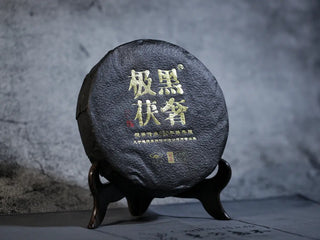
- Fu Brick Tea (Fu Zhuan Cha): Another valuable post-fermented tea, Fu Brick is known for the beneficial "Golden Flowers" (Eurotium cristatum) that develop during its processing. These fungi are prized in traditional practice for helping digestion and gut health.
- Oolong Tea: As a semi-oxidized tea, Oolong finds a perfect balance. It offers complex, fragrant aromas and flavors with much less irritation than green tea, making it a wonderful option. Discover the world of Oolong Teas.
- Black Tea (Hong Cha): As a fully oxidized tea, Black tea is a warming and reliable morning companion. During the oxidation process, the harsh tannins are converted into complex thearubigins and theaflavins, which are much gentler on the stomach lining. Its rich, malty sweetness provides a steady energy boost without the typical "green tea jitters." Browse our premium Black Tea Selection.
- Liu Bao Tea (Heicha): Hailing from Guangxi, this historic dark tea undergoes a unique "double fermentation" and long-term aging process. Like Ripe Pu-erh, Liu Bao is celebrated for its alkaline nature and its remarkable ability to dispel dampness and soothe the digestive tract. It is an exceptionally mellow, "woodsy" brew that feels like a warm hug for your stomach first thing in the morning. Discover the heritage of Liu Bao Tea.

To help you transition to a more stomach-friendly morning ritual, we're offering a special for our readers. Experience the deep, soothing character of these aged and fermented teas yourself. Use code MORNING10 at checkout to enjoy a 10% discount on our entire collection of Ripe Pu-erh, Fu Brick, Oolong, Black, and Liubao teas.
The Science of "Tea Sickness": Why You Might Feel Nauseous
If you've ever felt dizzy, queasy, or shaky after drinking tea on an empty stomach, you're not alone. This is a real physical reaction known as "tea sickness" or "tea drunkenness." Understanding what's happening in your body can help you avoid it.
Defining "Tea Drunkenness" (茶醉, Chá Zuì)
As tea lovers, we've felt it ourselves. It's an uncomfortable, dizzying, and queasy feeling. You might also experience light-headedness, cold sweat, slightly shaky hands, and a hollow, churning feeling in your stomach.
This isn't an allergy or something you're imagining. It's a physical response called "tea drunkenness" (茶醉, Chá Zuì), a term tea masters have used for centuries to describe the body's bad reaction to too many tea compounds.
The Main Culprit: Tannins on an Empty Stage
The main cause of this feeling is tannins affecting an empty stomach.
Think of tannins as tiny, bitter sponges. When you drink tea after eating, these "sponges" bind with the proteins and fats in your food, which is harmless.
But on an empty stomach, there's no food to act as a buffer. The tannins can bind directly with the delicate protein layer of your stomach and intestinal lining. This harsh action triggers the signals of nausea and discomfort. This explains why so many people search for "Green tea on empty stomach nausea."
The Caffeine Amplifier
Caffeine makes this unpleasant experience worse. As we've mentioned, caffeine enters your bloodstream much more quickly and strongly when your stomach is empty.
This rapid spike can overstimulate your nervous system, causing jitters, anxiety, and a racing heart. This nervous system stimulation, combined with the direct irritation from tannins, creates the perfect storm for feeling truly sick.
The Hierarchy of Teas: Best vs. Worst to Drink Before Breakfast
Not all teas affect an empty stomach the same way. The level of oxidation or fermentation a tea goes through is the most important factor. Here's a clear ranking to guide your morning choices.
❌ The "Avoid on an Empty Stomach" List
These teas are high in unoxidized catechins and strong tannins, making them the most likely to cause irritation.
- Green Tea (All kinds): From Dragon Well to Sencha, unoxidized green tea has lots of compounds that can upset your stomach. It's the most common cause of tea sickness.
- Matcha: This is a super-concentrated form of green tea. Because you consume the entire tea leaf ground into a fine powder, you get a much higher dose of both tannins and caffeine. This is why "Matcha on empty stomach" often causes intense nausea, even for people who can otherwise handle green tea.
- Young Raw Pu-erh (Sheng Pu'erh): Unlike its "ripe" counterpart, young raw Pu-erh is unfermented and can be very astringent and strong. It's valued for its complexity and aging potential, but it's very harsh on an empty stomach.
✅ The "Safer Morning Choices" List
These teas have been transformed through oxidation or fermentation, making them much gentler and more soothing. They're ideal companions for a peaceful morning.
- Ripe Pu-erh (Shou Pu'erh): As we've highlighted, its post-fermentation process makes it exceptionally smooth and gentle. It is the champion of stomach-friendly teas. Find our selection here: Ripe Pu-erh Collection.
- Fu Brick Tea: Another excellent, gentle dark tea that's perfect for starting the day. Its unique 'Golden Flowers' are celebrated for their digestive benefits. See our authentic Fu Brick Teas.
- Black Tea (Hong Cha): Being fully oxidized, most of the harsh tannins in black tea have changed into more complex, less irritating compounds called theaflavins and thearubigins. This makes it rich in flavor yet much gentler than green tea. Explore classic and unique Black Teas.
- Aged White Tea (Lao Bai Cha): While young white tea is very delicate and lightly oxidized, white tea that has aged for several years (especially Shou Mei or Gong Mei varieties) undergoes a slow, natural oxidation. This process mellows its character, deepens its flavor, and makes it wonderfully soothing and warming. A true treasure, available in our Aged White Tea selection.
Ready to build a morning tea ritual that feels as good as it tastes? We stand by these gentle, flavorful teas as the perfect start to any day. As a thank you for reading our guide, use our exclusive code MORNING10 for 10% off any of these recommended teas. Find your new morning favorite today.
How to Fix It: Immediate Remedies for Tea Drunkenness and Nausea
Even with the best intentions, you might one day find yourself feeling the effects of tea sickness. Don't panic. There are simple steps you can take to feel better quickly. Think of this as your emergency kit.
Your "Cure for Tea Drunkenness" Emergency Kit
If you start to feel queasy, dizzy, or shaky, act right away. The sooner you do something, the faster you'll recover.
-
Eat Something Immediately: This is the most important step. Don't wait. Your body needs something to buffer the tannins and stabilize your blood sugar.
- Sugar is a quick fix: A piece of candy, a spoonful of honey, a date, or a sweet biscuit can quickly counteract the light-headedness by raising your blood sugar. This works well.
- Something with substance: For the stomach discomfort, follow up with something that provides a buffer. A handful of nuts (their fat and protein help), a piece of bread, or a plain cracker are good choices.
-
Drink Warm Water: Sip on a small glass of warm (not hot or cold) water. This helps dilute the concentration of tea and acid in your stomach and can be soothing. Don't drink more tea.
-
Stop Drinking Tea: This seems obvious, but it matters. Put the cup down. Your body is clearly telling you it's had enough. Listen to it.
-
Get Some Fresh Air: If you feel dizzy or faint, step outside for a moment or open a window. The fresh, cool air can help ease the light-headedness.
These simple remedies for nausea often include eating bland foods and staying hydrated, and they work perfectly here.
The Golden Rule: Discovering the Best Time to Drink Tea
So, if not first thing on an empty stomach, when should you enjoy your tea? By understanding the principles we've discussed, we can create a simple timeline that maximizes tea's benefits while minimizing any risks.
The Expert's Golden Timeline for Tea

*AI-generated infographic for visualization
This timeline helps answer common questions like "Best time to drink green tea" and applies to all types of true tea (from the Camellia sinensis plant).
- Morning (Before Breakfast): Avoid. As we've explained, this is the highest-risk time for most people. Start your day with a glass of warm water instead to rehydrate gently.
- The Golden Window (30-60 Minutes After Breakfast): This is the ideal time. Your stomach is no longer empty, the food provides a perfect buffer for tannins, and the tea can help digestion without causing any irritation. This is the perfect moment for that cup of Green or Oolong tea.
- Between Meals (At least 2 hours after a meal): Also an excellent time. Drinking tea between meals helps keep you hydrated, maintains focus, and allows you to enjoy the tea's flavor without interference from food.
- With Meals: This is generally okay, but there's an important caution. Tannins in tea can interfere with iron absorption from plant sources (non-heme iron). If you have low iron levels or are vegetarian/vegan, it's best to separate your tea and iron-rich meals (like lentils, spinach, or tofu) by at least an hour.
- Evening: To protect your sleep, choose caffeine-free herbal infusions (like chamomile or mint) or very low-caffeine teas. Gentle, aged teas like Shou Pu-erh are often low enough in caffeine for many people to enjoy in the evening without problems. Read our blog about tea at night.
Listen to Your Body
In the end, the most important rule in the tea world is to listen to your own body. Tea isn't about strict rules; it's a personal journey of discovery and pleasure.
What works for one person may not work for you. Pay attention to how you feel. If a certain tea or timing causes discomfort, make changes.
By understanding these principles of tea science and traditional wisdom, you now have the knowledge to enjoy your tea journey wisely. You can make sure every cup brings health, peace, and delight—not discomfort.
Choose the right tea, respect the right timing, and enjoy the many health benefits of tea that this ancient drink has to offer.
FAQs
-
Is it safe to drink green tea on an empty stomach?
No, it's generally not recommended as green tea contains high levels of tannins and catechins that can irritate your stomach lining and cause nausea, dizziness, and acid reflux when consumed without food. -
What are the best teas to drink if you have a sensitive stomach?
Ripe Pu-erh (Shou Pu'erh), Fu Brick Tea, Black Tea, and Aged White Tea are gentler options as their fermentation or oxidation processes reduce harsh tannins, making them more stomach-friendly. -
Can drinking tea on an empty stomach help with weight loss?
While tea contains compounds like EGCG that may support metabolism, drinking it on an empty stomach offers minimal additional weight loss benefits while significantly increasing the risk of stomach discomfort. -
How long should I wait after eating to drink tea?
The ideal time is 30-60 minutes after a meal (especially breakfast), as food provides a buffer for tannins while allowing you to enjoy tea's digestive benefits without irritation. -
What should I do if I feel nauseous after drinking tea on an empty stomach?
Immediately eat something sweet (like honey) to raise blood sugar, then consume something with substance (bread or nuts), drink warm water, stop drinking tea, and get fresh air to relieve symptoms.
Each year, we serve thousands of satisfied tea enthusiasts in our tea house, and we're excited to share these exceptional teas with tea lovers worldwide at Orientaleaf.com.