Visual & Aromatic Entry
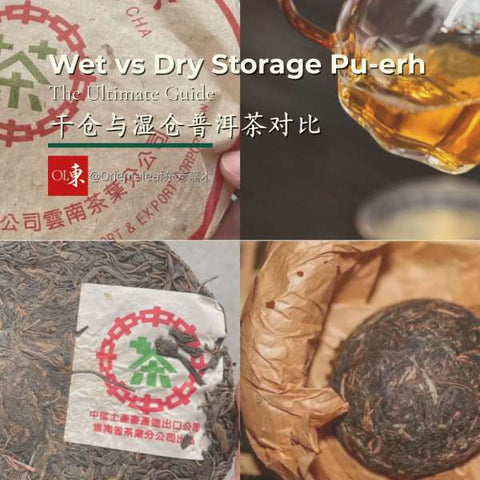
Dry Cake Appearance: Deep mahogany-brown, evenly compressed with visible natural aging sheen across the disc surface. The tight compression reveals golden-amber catch highlights when light passes through pressed leaves. No visible mold spots, dust discoloration, or storage faults.
Dry Leaf Aroma (Before Brewing): Open the wrapper and receive a wave of mature, pleasant earth—subtle damp-forest floor minerality underlaid with faint spice. No stale, musty, or phenolic off-notes. The dry fragrance suggests quiet aging rather than aggressive fermentation.
Leaf After Brewing
Wet Leaf Appearance: Chocolate-brown to rust-red, with visible leaf integrity (a hallmark of ancient tree material). The stems show flexibility rather than brittleness, indicating the trees' slow-growth resilience. Leaf surfaces display uniform fermentation color consistency—no pale patches or uneven browning suggesting poor fermentation control.
Wet Leaf Aroma: Significantly more expressive than dry leaf. Rich camphor-like minerality emerges (古树 / Gu Shu characteristic), layered with sweet dried date, subtle tobacco leaf, and earthy forest undertones. Some infusions reveal brief floral-mineral traces—a sign of preserved spring-harvest delicacy beneath the fermentation.
Liquor Color
First to Third Infusion: Clear, transparent amber-red with bright golden highlights when held to light. Resembles well-aged cognac or premium red wine—not opaque, not muddy.
Fourth to Eighth Infusion: Deepens to rich garnet-red with sustained transparency and viscous body. The tonal shift signals deepening maturation without any degradation or turbidity.
Empty Cup Staining: Persistent rust-red residue on white porcelain indicates tannin depth and aging development. The stain does not darken over hours—a sign of stable, aged polyphenol structure (no ongoing oxidation).
Mouthfeel & Sensation
Texture (First Sip): Velvety, oily, with immediate silky coating on the palate and tongue. The viscosity is substantial without feeling heavy—comparable to a full-bodied aged Bordeaux wine or premium cold brew coffee concentrate.
Throat Response (Hui Gan - 回甘): Sweet return hits 8-12 seconds post-swallow. The sweetness is muted, natural—reminiscent of dried red dates or faint molasses. Intensity builds across infusions; by the 6th steep, it becomes unmistakable and persistent.
Saliva Generation (Sheng Jin - 生津): Pronounced mouth-watering effect, particularly under the tongue and at the cheeks. Creates a refreshing, slightly astringent sensation that signals tea's bioactive compounds. This sensation deepens in later infusions and lingers 20+ minutes post-session.
Chaqi / Body Sensation (Body Energy - 茶气): Intensity: 4/5. Subtle but sustained warmth spreads through the chest 10-15 minutes into the session. A light perspiration may appear on the forehead with extended tasting (signs of warming digestive function). The warmth is gentle, welcoming—not aggressive or overstimulating. Drinkers often report mental clarity and calm focus (not jittery energy); this is ancient tree ripe Pu-erh's signature temperament.
Core Flavor Notes
Primary Notes: Dried red date (jujube) sweetness, earthy forest-floor minerality, subtle aged leather
Secondary Notes: Distant camphor-mint aromatics, faint tobacco leaf, honeyed wood undertones
Tertiary Notes: Faint vanilla-like warmth, traces of antique sandalwood, muted floral echoes (from spring harvest heritage)
Flavor Evolution Across Infusions:
- Infusions 1-2: Date and forest earth dominate; leather emerges
- Infusions 3-5: Leather becomes primary; wood and honey rise; mineral depth clarifies
- Infusions 6+: Depth shifts to wood-honey complexity; sweet return intensifies; mineral base remains stable
Empty Cup & Aftertaste
Cup Aroma (After Final Steep): Residual date sweetness persists in the empty cup for 2+ hours, gradually transitioning to subtle leather and dry wood notes. No stale or fermented-funky odors reappear—purity of storage is confirmed.
Finish Duration: 45+ minutes of sustained throat warmth and saliva sweetness after final infusion. This extended finish is a hallmark of ancient tree material and optimal aging—it signals deep cellular complexity rather than surface-level tea quality.
Flavor Complexity: Not a one-note tea. Each infusion reveals a new layer; later steeps offer surprising mineral-spice notes absent in early rounds. This progression rewards patient tasting and multi-day revisits to the same session.