Q1: What flavor profile can I expect from this tea?
This Raw Puerh delivers a bright, vegetal character upfront—imagine fresh spring greens, snap peas, or lightly steamed asparagus. This quickly gives way to a clean, honeyed sweetness with subtle notes of stone fruit like apricot or white peach. There is a gentle, pleasant bitterness that transforms almost immediately into a powerful Huigan, or returning sweetness, that lingers in the throat long after you swallow. Because this tea has been dry-stored, expect zero mustiness or damp-storage flavors—only pure, transparent tea character. As you brew successive infusions, the profile evolves, revealing hints of wildflower, raw honey, and a cooling, almost minty finish. It is a dynamic tea that rewards patient, multi-infusion sessions.
Q2: Is this tea suitable for aging, and how will the flavor change over time?
Absolutely. Sheng Puerh is prized precisely for its aging potential, and this cake is an excellent candidate for long-term storage. Because it has been kept in pristine dry-storage conditions in Xi'an, the tea's natural transformation has proceeded slowly and cleanly—without the shortcuts or off-flavors associated with humid storage. If you continue to store it properly (cool, dry, odor-free environment), you can expect the bright, vegetal notes to gradually mellow over 5–10 years into deeper sweetness, dried fruit, and subtle woodiness. After 15–20 years, well-stored Sheng Puerh often develops prized aged characteristics: leather, camphor, plum, and a thick, silky mouthfeel. This tea offers you a choice—enjoy its youthful vibrancy now or invest in its future complexity.
Q3: I am new to Puerh tea. Is this a good starting point?
Yes, this is an ideal introduction to the world of Sheng Puerh. Its flavor is approachable—clean, sweet, and refreshing—without the intense bitterness or challenging fermented notes that some aged or wet-stored Puerhs can present. The tea is forgiving during brewing: even if you steep it slightly too long, it remains pleasant rather than harsh. At the same time, it offers enough depth and complexity to teach you what quality Sheng Puerh should taste like, giving you a reliable reference point as you explore further. Many seasoned tea drinkers keep teas like this on hand precisely because they are both enjoyable daily drinkers and educational benchmarks.
Q4: What does "dry storage" mean, and why does it matter?
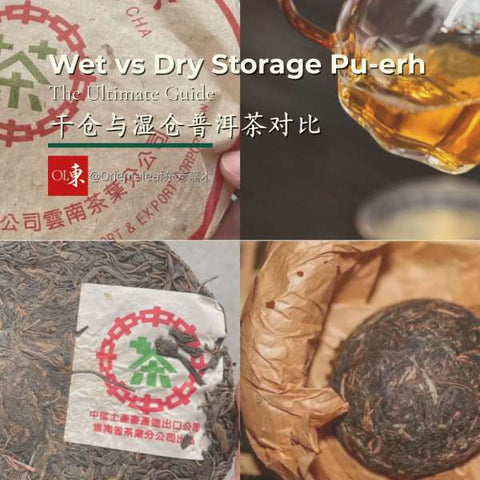
Dry storage (Gangcang, 干仓) refers to aging Puerh tea in a controlled environment with low humidity, stable temperatures, and no exposure to foreign odors. This contrasts with wet or humid storage (Shicang, 湿仓), which accelerates aging but can introduce musty, moldy, or unpleasant flavors if not carefully managed. Dry-stored teas age more slowly, but the transformation is clean and the tea retains its clarity and vibrancy. For collectors and connoisseurs, dry storage is often preferred because it preserves the tea's original character while allowing it to develop complexity over decades. This TooPure cake has been stored in ideal conditions in Xi'an (known for its mild, dry climate), ensuring you receive a tea free of any storage-related off-flavors.