통화

장바구니

카트가 비어 있습니다

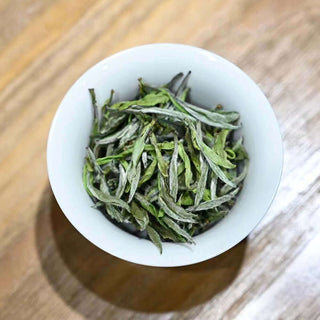
가볍게 발효된 차

경발효차는 중국 차의 독특한 범주로, 최소한의 가공과 부드러운 산화가 특징입니다. 그중에서도 가장 유명한 것은 백차로, 은은한 풍미와 우아하게 숙성되는 능력으로 유명합니다.
이 차들은 주로 푸젠성에서 유래되었으며, 특정 품종과 기후 조건이 독특한 특성을 만들어냅니다. 찻잎을 따고 난 후, 찻잎을 시들게 하고 말리는 과정을 거치는데, 이는 차의 본질을 그대로 보존하고 순수한 테루아를 표현하기 위한 것입니다.
잔에 담긴 가볍게 발효된 차는 은은한 꽃향이나 과일 향과 함께 상쾌하고 맑은 맛을 선사합니다. 맛은 깔끔하고 부드러우며, 오래도록 남는 단맛은 차가 숙성될수록 더욱 두드러집니다. 진한 차보다 더 부드러운 맛을 선사하며, 미묘한 차이를 즐기는 분들께 안성맞춤입니다.
특히 아침이나 조용한 오후에 이 차를 즐겨 마십니다. 차를 처음 접하는 분들에게도 훌륭한 선택입니다. 순하면서도 복합적인 풍미를 지니고 있어 부담 없이 즐길 수 있습니다.
양조하려면 끓인 물(약 80)을 사용하십시오.°C) 2~3분간 우려내면서 기호에 맞게 조절하세요. 이 차들은 맛이 순해서 여러 번 우려낼 수 있으며, 매번 우려낼 때마다 다른 풍미를 느낄 수 있습니다.
저희 매장에서는 제가 직접 즐기고 자주 마시는 차만 판매합니다. 가벼운 발효 차는 그 미묘한 복합성과 숙성 잠재력에 대한 저희의 깊은 애정을 반영합니다. 저희처럼 이 차들을 통해 여러분도 큰 즐거움을 느끼시기를 바랍니다.

22 결과

22 결과

Front view of Yunnan High Mountain Wild Ancient Tree Shoumei White Tea Cake (2019) with packaging

{{최저가}}부터

단가

재고 있음

Front view of Yunnan Jinggu White Peony Tea Cake 357g with original packaging, showcasing the silver-wrapped jade appearance

{{최저가}}부터

단가

재고 있음

Front packaged view of 2023 Jinggu Yunnan Silver Needle White Tea Cake – Bai Hao Yin Zhen 357g

{{최저가}}부터

단가

재고 있음

백목단 / 백모란백차
할인

정가 $35.00 $10.90에서 최대 25% 절약

단가

백목단 / 백모란백차

정가 $35.00 $10.90에서 최대 25% 절약

단가

재고 있음

2016 Aged Shou Mei White Tea mini Cake 2016 Aged Shou Mei White Tea mini Cake White Tea Orientaleaf

{{최저가}}부터

단가

재고 있음

2017 쇼메이 브릭티 푸딩 화이트티
품절

정가 $135.00 $14.50에서 {{값}}% 절약

단가

2017 쇼메이 브릭티 푸딩 화이트티

정가 $135.00 $14.50에서 {{값}}% 절약

단가

품절

2025 Yunnan Silver Needle Big-Leaf white tea sticks with elegant yellow gift packaging.

{{최저가}}부터

단가

재고 있음

2023 Fuding White Peony Tea Brick (Grade 1, Spring Harvest) - 200g Hand-Pressed Fujian White Tea
할인

정가 $85.00 $3.50에서 {{값}}% 절약

단가

2023년 복정 백작차(3등급, 봄수확) - 200g 수압착 복건 백차

정가 $85.00 $3.50에서 {{값}}% 절약

단가

재고 있음

2021 Aged Fuding White Peony Tea Cake - Grade 1 Autumn Harvest (150g)
할인

정가 $55.00 $10.50에서 {{값}}% 절약

단가

2021년 숙성 푸딩 수메이 차 케이크 - 1등급 가을 수확 (150g)

정가 $55.00 $10.50에서 {{값}}% 절약

단가

재고 있음

2020 Autumn Shoumei Cake Tea Fuding White Tea 2020 Autumn Shoumei Cake Tea Fuding White Tea White Tea Orientaleaf
품절

정가 $49.95 $5.25에서 {{값}}% 절약

단가

2020 가을 Shoumei 케이크 차 푸딩 백차

정가 $49.95 $5.25에서 {{값}}% 절약

단가

품절

2023 Shoumei Fuding White Tea 2023 Spring Tea 2023 Shoumei Fuding White Tea 2023 Spring Tea White Tea Orientaleaf
할인

정가 $63.50 $6.90에서 {{값}}% 절약

단가

2023 쇼메이 푸딩 백차 2023 봄차

정가 $63.50 $6.90에서 {{값}}% 절약

단가

재고 있음

2015 Aged Second-grade White Peony White Tea Mini Cake 2015 Aged Second-grade White Peony White Tea Mini Cake White Tea Orientaleaf

{{최저가}}부터

단가

재고 있음

White Hair Silver Needle Tea Cake丨Orientaleaf White Hair Silver Needle Tea Cake White Tea Orientaleaf

{{최저가}}부터

단가

흰머리 은침 티케이크

{{최저가}}부터

단가

재고 있음

Front view of 2018 Ancient Tree Shoumei White Tea cake from Xiangzhuqing.

{{최저가}}부터

단가

2018 고목 숄메이 백차 | 샹주칭 유산

{{최저가}}부터

단가

재고 있음

2023 Fuding Wild-Grown Gongmei White Tea Cake (Grade 1, Spring Harvest) - 100g Cake
할인

정가 $65.00 $20.50에서 {{값}}% 절약

단가

2023 푸딩 야생 공메이 백차떡(1등급, 봄수확) - 100g 떡

정가 $65.00 $20.50에서 {{값}}% 절약

단가

재고 있음

2022 Bailu Fuding White Tea 2022 Late Autumn Tea 2022 Bailu Fuding White Tea 2022 Late Autumn Tea White Tea Orientaleaf
할인

정가 $66.00 $6.75에서 {{값}}% 절약

단가

2022 바이루 푸딩 백차 2022 늦가을차

정가 $66.00 $6.75에서 {{값}}% 절약

단가

재고 있음

2022 Yunnan Ancient Tree Shou Mei White Tea Dragon Pearl minimalist gift box packaging.

{{최저가}}부터

단가

재고 있음

Front view of 2020 International Tea Day Commemorative Shou Mei White Tea Cake with heritage packaging.

{{최저가}}부터

단가

재고 있음

2023 Third Grade Peony Cake Tea FuDing White Tea 2023 Third Grade Peony Cake Tea FuDing White Tea White Tea Orientaleaf
품절

$6.50

단가

품절

2018 Fengqing Snow Bud Ancient Tree White Tea Cake 357g with minimalist paper wrapping.

{{최저가}}부터

단가

재고 있음

Yunnan White Tea Discovery Box

$36.55

단가

재고 있음

Fuding White Tea Discovery Box
품절

$82.60

단가

품절

Collection Guide

White Tea: The Quietest Craft in Chinese Tea

Where less is more, and a single bud — dried by sun and time — becomes one of China's most elegant teas.

White tea (白茶) is China's oldest and least processed tea: a bud or bud-and-leaf that is withered and dried, with nothing added and nothing taken away. This guide covers everything worth knowing about the white teas in this collection — how they are made, the three grades, the two great origins, fresh versus aged, and how to brew and choose.

01

What Is White Tea?

White tea is defined by what it leaves out. Unlike green, oolong, or black teas, it is never pan-fired, steamed, rolled, or oxidized. Leaves are simply withered in the sun or indoor air, then gently dried. That minimal intervention is the whole philosophy — the leaf keeps its silver fuzz, its natural sweetness, and a character that feels almost untouched by human hands.

  • 1PluckingBy hand each spring — a single bud for Silver Needle, bud-and-leaf for White Peony, or mature leaves for Shou Mei.
  • 2Sun witheringLeaves are spread thin and left to wither for hours or days. This slow moisture loss is where the flavour is really born.
  • 3Gentle dryingA low-temperature bake or continued air-drying stops the process and locks in the downy aroma.
  • 4AgingStored dry and undisturbed, some white teas transform over time — the story we turn to below.

"White tea is made by doing almost nothing — and that is precisely the point."

For the full origin story, craft, and brewing notes, read The Ultimate Guide to Fuding White Tea.

02

The Three Grades

Chinese white tea is graded by how much bud and how much leaf goes into the plucking. The three classic grades are best understood as a stepping ladder, moving from a single bud to mature leaf.

Grade 1 · Bud Only

Silver Needle Baihao Yinzhen

Single, fully down-covered buds. The most prized, most delicate grade — silky, floral, honeyed. Best drunk fresh.

Grade 2 · Bud + 1–2 Leaves

White Peony Bai Mudan

Bud and adjacent leaves picked together. A balanced, everyday white tea with floral and gently sweet notes that also rewards light aging.

Grade 3 · Mature Leaf

Shou Mei

Fuller, older leaves. Bolder and more forgiving — and the grade that transforms most beautifully with age. Gongmei is its lighter, younger sibling.

Want to see how they compare side by side? Start with The Complete Guide to the Types of Fuding White Tea, then Bai Mu Dan vs Bai Hao Yin Zhen.

03

Two Origins, Two Characters

Every white tea in this collection comes from one of two great producing regions. Same craft, different character — and knowing which one you hold tells you a great deal about its flavour.

Fujian · Fuding

The Birthplace

The historical home of white tea, centred on the Fuding Da Bai tea plant. Small leaves, sunny withering, a clear and elegant style with pronounced downy aroma and honeyed sweetness.

Yunnan · Jinggu, Fengqing

The Bold Sibling

Large-leaf and ancient-tree material, including the classic yue guang bai (Moonlight White). Richer, fruitier, more full-bodied in the mouth — and a strong candidate for aging.

Compare them directly: How Does Fuding Silver Needle Differ from Yunnan Silver Needle? and Understanding Yunnan White Tea.

04

Fresh vs Aged

White tea has one of the most celebrated aging traditions in Chinese tea. The folk saying runs "one year a tea, three years a medicine, seven years a treasure" — and while we let the flavour speak for itself, the guiding idea is simple: the further a leaf moves from fresh, the deeper and smoother it becomes.

Fresh

Suit Silver Needle & White Peony

Bright, floral, and honeyed. Best enjoyed within the first year or two, when the downy aroma and clean sweetness are at their peak.

Aged

Suit Shou Mei & Mature Leaf

Over time the cup turns mellow, woody, and date-like. Stored dry and cool — a practice we follow in our own warehouses — these reward patience.

Dig deeper into how time transforms the leaf: From Simple Leaf to Prized Treasure and Freshness vs Aging: White Tea Storage.

05

Brewing White Tea

White tea is forgiving, but a little attention goes a long way. The key variables are water temperature and time.

  • Silver Needle — a gentle 85–90°C; too hot scorches the delicate buds.
  • White Peony — 90–95°C for a balanced, aromatic cup.
  • Shou Mei — 100°C works well and the leaf can even be boiled, especially when aged.
  • Gongfu style — roughly 5 g per 100 ml, 20–30 seconds for the first infusion, then increasing with each round.

In cooler months, an aged Shou Mei boiled on the stove makes a warming, mellow brew that suits long sessions by the fire — a favourite autumn and winter ritual. For the full step-by-step, see How to Brew White Tea Perfectly Every Time and the Gongfu Silver Needle guide. For a winter classic, read White Tea and Tangerine Peel.

06

Caffeine & Health

A common question about white tea. The honest answer: white tea does contain caffeine — how much depends on bud density, leaf age, and how you brew it. Silver Needle is almost entirely buds, which tend to carry more caffeine; mature-leaf Shou Mei generally less. Using cooler water and shorter infusions extracts it more slowly, so you can shape the cup to your comfort.

White tea is loved for its high level of natural antioxidants and its gentle character. As with any food story, we keep our claims modest: it is a refreshing, low-interference tea that many people simply enjoy drinking every day.

For the details, read The Truth About White Tea Caffeine and White Tea Benefits.

07

How to Choose

Start from what you already drink. Prefer something light and elegant? Begin with Silver Needle or White Peony. Enjoy a fuller, longer-lasting tea and like the idea of aging it? Shou Mei is your natural starting point. New to white tea entirely? Both discovery boxes are built to let you compare grades and origins in one sitting.

For a deeper decision path, read How to Choose Fuding White Tea, or see how white tea compares with other teas: White Tea vs Green Tea.

08

Explore Further

Ready to go deeper? These guides from our tea-101 journal cover every corner of white tea.

"The more you drink it, the more you notice: white tea does so little — and gives so much."

Browse the White Tea Collection