Orientaleaf · Xi’an, China
Our tea storage, explained.
From the factory to Xi’an, from storage to your cup. Here is where our teas rest, how they are kept, and what we look for when we taste them.

From the factory to Xi’an.
Our Pu-erh teas are shipped from the factory in Yunnan into Xi’an storage after production. They remain here as the stock is gradually sold.
The dedicated facility is managed by our long-term supply partner, who has used this space since the 2010s. Teas are kept in their original factory cartons.
We use natural storage conditions, without active humidity control. The environment follows Xi’an’s seasonal changes rather than a fixed humidity setting.
Different teas. Clear backgrounds.
01
Pu-erh
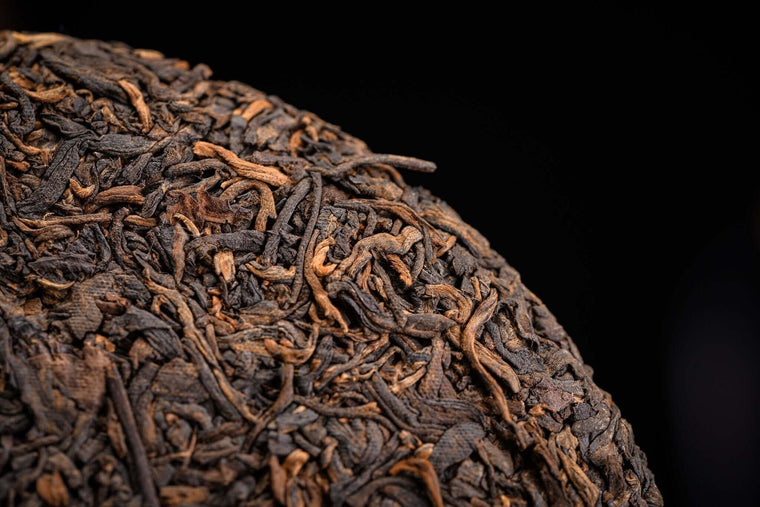
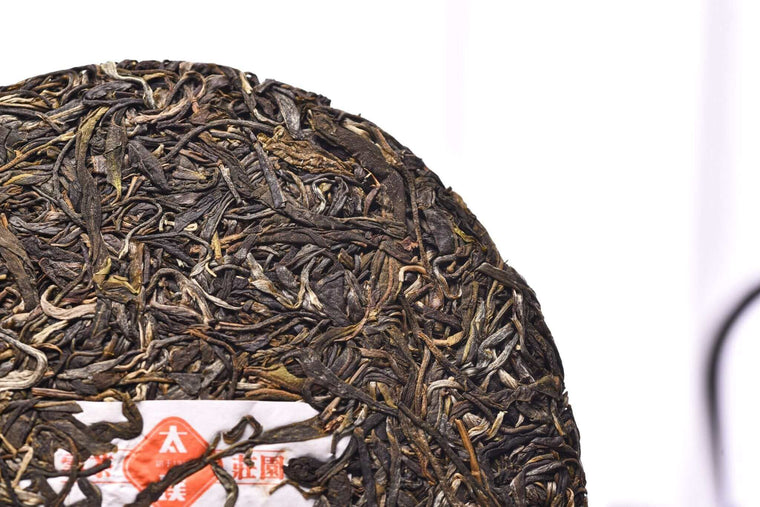
Raw and ripe Pu-erh enter Xi’an storage after leaving the factory in Yunnan. The production year describes the tea’s age; Xi’an describes where it has been kept.
02
Liu Bao
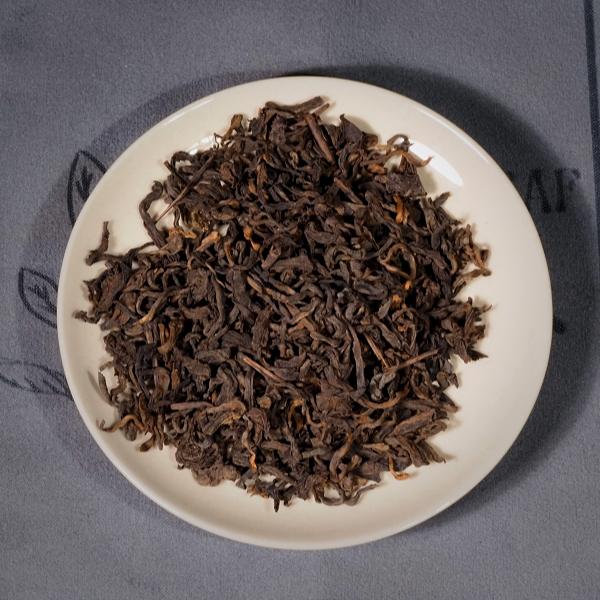
Our Liu Bao teas have their own storage journeys, including time in Xi’an. We tasted dozens and selected just three different years for their character and barely noticeable musty storage notes.
03
Fu brick tea
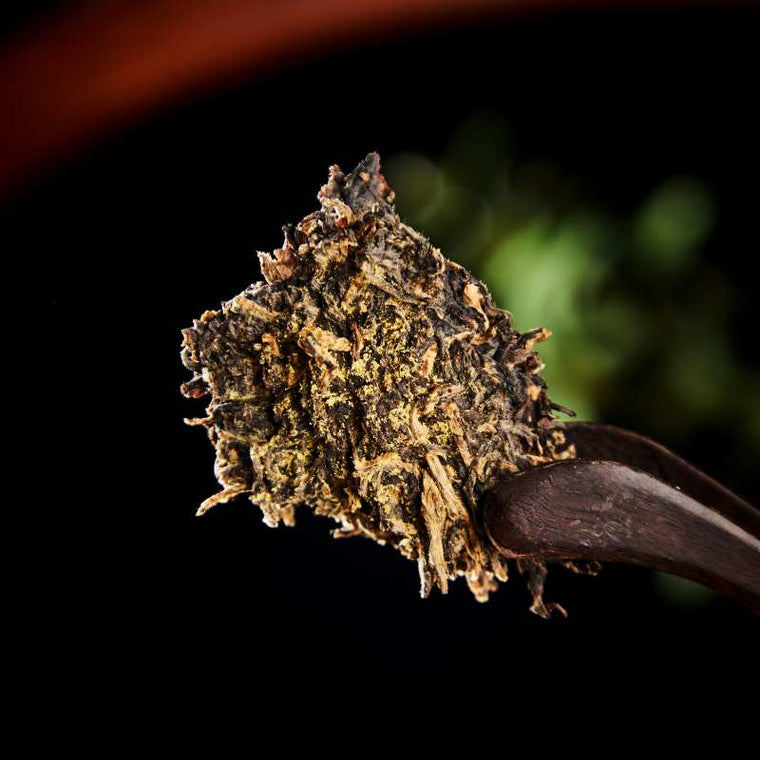
Our Fu brick teas are also kept in Xi’an. Their origins, leaf materials and production years vary; we describe each tea individually rather than using storage as its whole story.

A clear cup is our preference.
We look for distinct tea character, with little obvious damp or musty storage aroma. Each tea has its own balance, and we describe that in its tasting notes.
In raw Pu-erh, we enjoy definition and the interplay of freshness with aged notes. In ripe Pu-erh, we look for a rounded cup with woody warmth and sweetness.
Leaf material, processing, time and storage all shape the cup. We choose by drinking the tea, not by age or storage label alone.
Natural storage. Seasonal conditions.
We do not actively humidify or dehumidify the storage space, and we do not hold it at a fixed relative humidity. It is a natural, unsealed storage environment, without a continuous monitoring system.
Conditions follow Xi’an’s seasonal changes. The tea rests in its original packaging within the naturally ventilated space.
Dry storage suits the character we enjoy in these teas. We respect other storage traditions, and judge each tea through tasting and its known background.
A few practical questions.
Keep exploring.
For a closer look at the background, read our notes on Pu-erh storage research or our dry and wet storage guide.
For a particular tea, start with its production year, known storage background and tasting notes. We are happy to help you choose.
Explore the teas