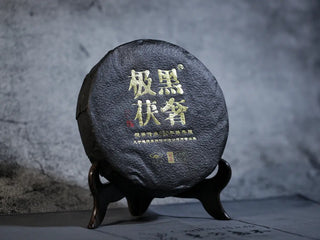
"In the world of Dark tea/Hei Cha, microbes might be the true masters."
Key Takeaways
- Fu Brick Tea uses the Fahua(发花) process to grow beneficial Golden Flowers.
- These Golden Flowers create a sweet, mellow, and thick flavor unique among dark teas.
- Ripe Pu-erh uses anaerobic fermentation, resulting in earthy and woody notes.
- Liu Bao Tea offers aged wood and betel nut aromas with excellent aging potential.
- Other Anhua dark teas lack the Golden Flower step and may taste bolder or smoky.
- Tibetan Tea is strong and robust, brewed with butter and salt for sustenance.
- Each dark tea tells a different story of origin, microbes, and transformation.

Navigating the Diverse World of Hei Cha
The world of Chinese dark tea, or Hei Cha, or post-fermented tea, offers many interesting kinds of tea. These teas change through a process where tiny organisms transform the leaves over time, creating rich flavors unlike any other tea.
Fu Brick Tea stands out among these special teas. It's famous for its unique "Golden Flowers" that tea lovers value highly. Many people wonder how it differs from other dark teas like Ripe Pu-erh, Liu Bao, or its relatives.
To start this journey, we need to understand what Fu Brick Tea really is. This article will help clear up any confusion by comparing Fu Brick Tea with its main competitors. The history of this tea connects to ancient trade routes across China.
We want to give you clear information about how each tea is made and how they taste different. By the end, you'll know which dark tea might be perfect for you.
The Defining Feature: What Puts the "Fu" in Fu Brick Tea?
Before we compare Fu Brick Tea to others, we need to understand what makes it special. One unique step in making this tea sets it apart from almost all other teas in the world.
The main feature of real Fu Brick Tea is the "Fahua (发花, Fungal Bloom)" process. During this carefully controlled stage, the tea brick is kept in specific conditions to grow a special healthy fungus.
The damp bricks are moved to a special "flowering room" with controlled temperature and humidity for several weeks.

This good microbe is called Eurotium cristatum. It looks like bright golden-yellow spots spread throughout the dark tea leaves. These are the famous "Golden Flowers."

They are not harmful but are actually the heart of the tea. The number and brightness of these Golden Flowers show the quality of Fu Brick Tea. This special fungus changes the tea's flavor, making it sweet and smooth with a rich feeling in your mouth.
At a Glance: Fu Brick Tea vs. The Greats of Dark Tea
Here's a quick comparison of Fu Brick Tea and its main competitors:
| Tea Type | Primary Origin | Key Fermentation Process | Typical Flavor Profile | Aroma | Aging Potential |
|---|---|---|---|---|---|
| Fu Brick Tea | Hunan, Shaanxi | Fahua (发花): Cultivation of Eurotium cristatum (Golden Flowers). Aerobic process. | Mellow, sweet, notes of dried date, honey, and a hint of fruitiness. Thick mouthfeel. | Sweet fungi, honey-like, sometimes bready or floral. | Excellent. Develops deeper sweetness and complexity. Explored in aged vs fresh Fu Tea. |
| Ripe Pu-erh | Yunnan | Wo Dui (渥堆): Accelerated "wet piling." Anaerobic fermentation with a complex mix of bacteria & yeasts. | Deeply earthy, woody, smooth. Notes of camphor, damp earth, leather, dark chocolate. | Damp forest floor, old wood, sweet earth, sometimes with a "dank" note when young. | Excellent. Becomes smoother, thicker, and loses any initial fermentation funk. |
| Liu Bao | Guangxi | Wet piling (similar to Pu-erh) followed by aging in damp cellars or baskets. | Smooth, mellow, clean. Notes of betel nut, aged wood, and a slight medicinal sweetness. | Damp wood, betel nut (槟榔香), sometimes with a hint of smoke or plum. | Exceptional. Highly prized for its refinement over decades. |
| Anhua Dark Tea (other bricks) | Hunan | Pile fermentation, but without the required "Fahua" step (e.g., Hei Zhuan, Hua Zhuan). Often involves pine-wood smoking. | Bolder, more robust, often smoky or pine-resinous, with a foundational dark tea sweetness. | Smoky, pine wood, roasted notes, underlying sweetness. | Very good. Becomes less smoky and more mellow over time. |
| Tibetan Tea (Zang Cha) | Sichuan | Prolonged piling and fermentation, processed for maximum strength and robustness. | Very strong, robust, sometimes astringent. Designed to be brewed with milk, butter, and salt. | Earthy, slightly sour, very bold and bracing. | Ages well, becoming more integrated, but the core robust character remains. |
 |
AGED & MELLOW Dry-Stored Aged Lao Cha Tou Ripe Pu-erh Tea Nuggets Discover dry-stored Lao Cha Tou aged ripe Pu-erh nuggets (2006-2018). Pure, mellow, and incredibly brewable. Choose your vintage. Shop now! |
A Historical Perspective: Why Was Fu Tea the "Tea of the Silk Road"?
To truly understand Fu brick tea's power, we must look at its history. Its story is about survival, not just taste.
For centuries, Fu tea was carried along the ancient Silk Road. It was essential for nomadic peoples in Tibet, Mongolia, and Xinjiang.
These people ate mostly meat, dairy, and animal fats, with few fresh fruits and vegetables. This diet, needed for their harsh environment, was hard on their digestion.
Fu brick tea became their "liquid vegetable." It provided important micronutrients and the enzymes and probiotics needed to digest their heavy, fatty meals. They knew what science now confirms: Fu tea balanced their diet and maintained their health.
This historical use was like a large-scale human trial of the tea's benefits. Entire cultures depended on this tea for their health, showing how effective it is. This unique history is a key reason it stands out when comparing Fu brick tea vs. other dark teas.
Deep Dive: Unpacking the Nuances of Each Dark Tea
Now let's explore the details that make each tea special. The differences come from how they're made, where they're grown, and what they're used for.
Fu Brick Tea vs. Ripe Pu-erh Tea: The Battle of the Microbes
This comparison matters most to tea drinkers. Both teas are fermented, but they use very different methods.
-
Fu Brick's Aerobic "Fahua" Process: This careful method creates an oxygen-rich environment perfect for growing one main microbe: Eurotium cristatum. This gentle process slowly builds flavor in the tea.
-
Ripe Pu-erh's Anaerobic "Wo Dui" Process: Ripe Pu-erh uses a faster method called wet piling. Large piles of tea are kept warm and moist to create a quick, intense fermentation with many types of bacteria and yeasts.
These different methods create very different flavors. Fu Brick tastes sweet and honey-like because of its Golden Flowers. Ripe Pu-erh has deep, earthy flavors like forest floor, old leather, and dark chocolate.
Fu Brick Tea vs. Liu Bao Tea: A Tale of Two Terroirs
This comparison focuses on where the teas come from and how they age.
-
Origin & Environment: Fu Brick mainly comes from inland Hunan and Shaanxi provinces. Liu Bao comes from Guangxi province, which has its own climate and tradition of aging tea in humid conditions, often in bamboo baskets.
-
Signature Aromas: These different origins create unique smells and flavors. Liu Bao is known for its "betel nut" aroma, a woody, slightly sweet, and pleasant medicinal smell. Fu Brick's identity comes from the sweet, fungi-based "Golden Flower" aroma and its thick, rich mouthfeel.
Fu Brick Tea vs. Anhua Dark Tea: A Family Affair
Fu Brick Tea originally comes from Jingyang, Shaanxi Province, where it has a long traditional history. After the founding of the People’s Republic of China, the planned economy led to the relocation of Fu Brick Tea production from Shaanxi to Hunan’s Anhua region, which contributed to the rise of Anhua Dark Tea. Around the early 2000s, Shaanxi began reviving its traditional Fu Brick Tea production, bringing it back to Jingyang. Today, Shaanxi’s Fu Brick Tea is regaining influence and recognition alongside Anhua Dark Tea. Rather than competitors, these represent two important regional expressions of Fu Brick Tea, each with unique characteristics.
"Anhua Dark Tea" refers to dark teas made in Anhua County, Hunan. This includes several types of pressed teas.
The key difference is that only Fu Zhuan (Fu Brick) must have the "Fahua" process that creates Golden Flowers. Other Anhua bricks, like Hei Zhuan (Black Brick) and Hua Zhuan (Flower Brick), don't have this special step.
As a result, these other bricks taste different. They're often more tightly packed and may have a smoky flavor from being dried over pine wood. They offer a stronger, more rustic experience compared to Fu Brick's smooth sweetness.
Fu Brick Tea vs. Tibetan Tea (Zang Cha): Purpose and Palate
This comparison shows how a tea's history shapes its character.
-
A Staple vs. a Specialty: Tibetan Tea, made mostly in Sichuan, was developed as an essential food supplement for the harsh Tibetan plateau. It provides nutrients and helps digest fatty foods. It's very strong and potent since it's traditionally mixed with yak butter and salt.
-
Refined Palate: Fu Brick Tea, while also historically traded on the Silk Road, became valued as a fine tea. People appreciate its elegant flavor and prized Golden Flowers. Though strong, it's fundamentally sweeter and milder, meant to be enjoyed on its own.
 |
SMOOTH & GENTLE On Taoism Silk Road Black Pearl Jin Hua Raw Pu-erh Fu Tea Hand-rolled dragon pearl Fu tea from Yunnan Lincang raw Pu-erh, naturally fermented with Jin Hua in Jingyang, Shaanxi. Smooth and sweet, 200g tin. |
A Sensory Journey: How a Tea Master Tastes the Difference

Let's explore how these teas differ through our senses. Imagine comparing Fu Brick and Ripe Pu-erh side by side.
Dry Leaf:
Look at both bricks and break off a piece of each. The Fu Brick shows bright Golden Flowers among the dark leaves. It smells subtly sweet, like dried fruit or bread yeast. The Ripe Pu-erh is more uniform in color, dark brown or black. It smells deeper and earthier, like rich soil or an old library.
The Wash/Rinse:
Quickly rinse both teas with hot water. As steam rises, the Fu Brick releases a sweet, honey-like smell that's clean and inviting. The Ripe Pu-erh's aroma intensifies into powerful scents of damp earth, wood, and sometimes dark fruit.
The Brew (Liquor):
Look at the brewed tea. Fu Brick creates a clear, bright reddish-orange liquid that glows in the cup. Ripe Pu-erh produces a much darker, often opaque liquid ranging from deep red to nearly black, like strong coffee.
Flavor & Mouthfeel:
Now taste them. Fu Brick feels remarkably smooth and thick, coating your mouth with soothing sweetness. There's no bitterness or harshness.
Ripe Pu-erh is also smooth but in a different way. It feels grounding, with a creamy texture and deep flavors of earth, wood, and a hint of sweetness at the end. Both teas comfort in their own way.
Curious about Fu Brick Tea? Try it alongside our tasting notes.
Our Fu Brick Tea Discovery Box 2.0 is designed exactly for this kind of side-by-side comparison — 9 samples from 3 producers and 5 terroirs, spanning 16 years of vintages. Build your own reference point for Golden Flower quality.
Explore Our Fu Brick Tea Collection →Conclusion: Which Dark Tea Is Right for You?
After learning all this, your choice depends on your personal taste preferences:
- If you like mellow, sweet, and honey-like flavors with a thick, comforting feel... browse our Fu Brick Tea collection →
- If you prefer deep, earthy, coffee-like notes and a very smooth, grounding experience... you'll probably enjoy Ripe Pu-erh Tea>>>.
-
If you're interested in aged, woody, and nuanced medicinal aromas in a clean, smooth brew... explore Liu Bao Tea.
-
If you want a bold, sometimes smoky, and rustic dark tea experience... try other Anhua Dark Teas like Hei Zhuan (Black Brick).
-
If you need a powerful, strong brew for energy and don't mind a very strong flavor... consider Tibetan Tea (Zang Cha).
All dark teas share certain qualities, including health-promoting compounds and caffeine. Read our detailed blog to learn more>>>.
The beneficial microbes, especially the Golden Flowers in Fu Brick Tea, are a major reason for its popularity and health benefits.
The journey into dark tea offers endless discoveries. Each tea tells a story about where it comes from, the microbes that transform it, and its history.
FAQ
-
What are the "Golden Flowers" in Fu Brick Tea that make it different from other dark teas?
Golden Flowers (Eurotium cristatum) are a beneficial fungus that grows during the "Fahua" process, creating Fu Brick Tea's distinctive sweet, honey-like flavor profile that other dark teas don't have. Read more: What Is Golden Flower in Fu Tea?>>> -
How does the fermentation process of Fu Brick Tea differ from Ripe Pu-erh?
Fu Brick Tea undergoes an aerobic "Fahua" process that cultivates specific Golden Flowers, while Ripe Pu-erh uses an anaerobic "Wo Dui" (wet piling) method with multiple microorganisms. Read more: What Is Fu Brick Tea?>>> -
Which dark tea has better aging potential, Fu Brick Tea or Liu Bao?
Both have excellent aging potential, but they develop differently - Fu Brick Tea gains deeper sweetness and complexity, while Liu Bao is prized for its exceptional refinement over decades. Read more: Aged vs Fresh Fu Tea: What's the Difference?>>> -
What flavor differences would I notice when comparing Fu Brick Tea to other dark teas?
Fu Brick Tea offers mellow, sweet notes of dried date and honey with a thick mouthfeel, whereas Pu-erh is earthier and woodier, Liu Bao has betel nut notes, and other dark teas may be smokier or more robust. Read more: What Does Fu Brick Tea Taste Like?>>> -
Is Fu Brick Tea the same as Anhua Dark Tea?
Fu Brick Tea is a specific type of Anhua Dark Tea distinguished by its required "Fahua" process that creates Golden Flowers, while other Anhua Dark Teas (like Hei Zhuan) don't undergo this special step.
Each year, we serve thousands of satisfied tea enthusiasts in our tea house, and we're excited to share these exceptional teas with tea lovers worldwide at Orientaleaf.com.
Try our award-winning Jingyang Fu Brick Tea – authentic taste, crowned World Tea Champion 2025 >>, and don’t forget to Join Us for updates and exclusive offers.
Brew Pro, Buy Smart
📖 Further Reading
≡ Quick Navigation +/−
↑ click header to collapse
1. Navigating the Diverse World of Hei Cha 2. The Defining Feature: What Puts the "Fu"... 3. At a Glance: Fu Brick Tea vs. The Greats... 4. A Historical Perspective: Why Was Fu Tea... 5. Deep Dive: Unpacking the Nuances of Each... 6. A Sensory Journey: How a Tea Master Tast... 7. Conclusion: Which Dark Tea Is Right for ... 8. FAQ 9. Brew Pro, Buy Smart