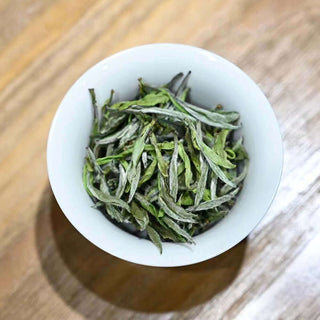
"One name, many meanings—white tea is never just white."
Key Takeaways
- Fuding White Tea is the gold standard due to its terroir, cultivars, and PGI status.
- Zhenghe White Tea offers a deeper, mellower flavor and excellent value.
- Yunnan Moonlight White uses assamica leaves, yielding bold, fruity, malty notes.
- Darjeeling White Tea provides a light, floral profile with muscatel notes.
- Each white tea origin brings distinct flavors shaped by region, plant, and processing.
- Fuding and Zhenghe both age well, developing complex and honeyed characteristics.
-
Choose based on taste preference: delicate (Fuding), thick (Zhenghe), bold (Yunnan), floral (Darjeeling).
Thinking about trying Chinese White Tea?
We offer two completely different terroirs: Choose Fuding White Tea for a delicate, crisp cup with sweet floral undertones, or explore Yunnan White Tea for a bold, full-bodied experience packed with deep honey sweetness.

Introduction: The Quest for the Best White Tea
In the big world of white tea, why does Fuding often stand out as the gold standard? For new tea drinkers and experts alike, finding your way through white tea can feel like exploring a map of subtle flavors.
People often ask us how Fuding (福鼎) compares to its Chinese neighbors, Zhenghe (政和) and Yunnan (云南), or to white teas from places like Darjeeling. Though all are called "white tea," the place they grow, the type of plant, and how they're made create very different tastes in your cup.
This is a world of small details, where tiny changes in growing conditions and methods create many different flavors, from light and flowery to bold and malty. The growing interest in health benefits of white tea, with its many antioxidants, has made people even more curious.
In this article, we'll give you a clear, expert comparison. Building on our guide to Fuding white tea, we'll walk you through each type of white tea so you can find the one that's perfect for your taste.
The Global Landscape of White Tea: One Name, Many Faces
Before we compare them directly, let's understand what makes these teas all "white tea." The key thing about white tea is how simple it is to make: minimal processing.
At its heart, making white tea involves gentle withering to reduce moisture and allow some natural oxidation, then careful drying to lock in flavor. This gentle handling keeps the fine, fuzzy hairs on the tea buds, which give white tea its name.

White teas fall into two main groups:
- Chinese White Teas: These are the original white teas from the birthplace of white tea production. Fujian province leads the way, with both Fuding and Zhenghe, while regions like Yunnan make their own styles. These teas come from specific traditional tea plants.
- Non-Chinese White Teas ("New-Style"): These come from places outside China—like India (Darjeeling), Sri Lanka, Nepal, and Kenya—that use white tea processing methods. They use their local tea plants, creating completely different flavor profiles.
The small differences—the specific soil, unique climate, and especially the tea plant itself—create the huge variety we see today. Using specific local tea plants like Da Bai and Da Hao in Fujian isn't just a detail; it's what gives authentic white tea its character.
 |
SMOOTH & GENTLE White Silk Ray — Fuding Bai Mu Dan White Tea Cake, Spring 2023 Sun-dried Fuding Bai Mu Dan white tea cake, Spring 2023. One bud, two leaves from Guanyang — bright, sweet, silky. Only 20 cakes made. Limited stock. |
The Contenders: Fuding vs. Its Chinese Rivals
While Fuding holds the crown, it's not the only producer of great white tea in China. Understanding how it compares to its two main domestic rivals—Zhenghe and Yunnan—helps us appreciate the full range of Chinese white tea.
Fuding vs. Zhenghe White Tea: A Tale of Two Terroirs
Zhenghe is Fuding's closest and most famous rival, located just across the mountains in the same province of Fujian. You can see how close they are on the map in the previous section. Though they share a cultural heritage, their different environments create two distinct personalities in the cup.

-
Terroir: This is the main difference. Fuding is a coastal, lower-elevation region, with sea breezes and gentle sun. Zhenghe is located inland, at a higher elevation, with a cooler climate and different soil.
-
Processing: Fuding relies heavily on sun-withering, a relatively quick process that keeps the tea's "bright" and fresh character. Zhenghe traditionally uses longer, indoor withering due to its cooler, more humid climate. This extended process allows for slightly more oxidation.
-
Cultivar: Fuding is famous for its Fuding Da Bai cultivar. Zhenghe has its own distinct local variety, Zhenghe Da Bai (政和大白). Though both are "Da Bai" (big white), they have subtle genetic differences that create unique flavors.
-
Flavor Profile: The result is clear in the cup. Fuding is known for its freshness, bright sweetness, and delicate floral notes. Zhenghe has a mellower, thicker, and deeper flavor profile, often with rich notes of dark honey, dried dates, and gentle herbal complexity. It feels rounder and more full-bodied.
Fuding vs. Yunnan White Tea (Yue Guang Bai): A Different Lineage
The comparison between Fuding and Yunnan white tea is not about neighbors, but about completely different genetics. Yunnan white tea, often called Yue Guang Bai (Moonlight White), comes from an entirely different branch of the tea family tree.
White Peony in two expressions: Fujian’s balanced elegance vs. Yunnan’s bold and rustic charm.

-
Cultivar: This is the most important distinction. Fuding white tea is made from Camellia sinensis var. sinensis, the small-leaf variety. Yunnan white tea is made from Camellia sinensis var. assamica, the large-leaf variety also used to make the region's famous Pu-erh tea.
Side-by-side: Two teas called Silver Needle, but worlds apart—Yunnan’s bold leaves vs. Fujian’s delicate downy buds.

-
Appearance: The difference is visually striking. Fuding leaves are smaller, with more uniform, silvery-white buds. Yunnan leaves are larger, darker, and more robust, often with a mix of silvery buds and dark, almost black leaves, like the contrast of a moonlit night.
-
Processing: While the basic principle of withering and drying is the same, the sheer strength and size of the assamica leaves mean they react to the process differently. The result is inherently more powerful and robust.
-
Flavor Profile: Fuding offers a taste that is delicate, nutty, clean, and sweet. Yunnan, by contrast, is far bolder, with strong notes of stone fruit (apricot, plum), honey, and a distinct malty character. It has a stronger, more full-bodied mouthfeel that sometimes feels closer to a black tea than a traditional white tea.
 |
SMOOTH & GENTLE 2023 Jinggu Yunnan Silver Needle White Tea Cake – Bai Hao Yin Zhen (357g) Experience the exquisite 2023 Jinggu Silver Needle White Tea Cake – Bai Hao Yin Zhen. Delicate floral aroma, honeyed sweetness, and silky texture await! |
The Sensory Showdown: A Comparative Tasting Guide
Descriptions can only tell us so much. The true differences between these teas show up in the smell of the dry leaves, the color of the brew, and the mix of flavors on your palate. To truly understand the differences, we brewed these teas side-by-side, including a high-quality Darjeeling white tea for global comparison.
Here's what we found.
The Comparison Table: Fuding vs. Zhenghe vs. Yunnan vs. Darjeeling
| Feature | Fuding White Tea | Zhenghe White Tea | Yunnan White Tea | Darjeeling White Tea |
|---|---|---|---|---|
| Dry Leaf | Plump buds, silvery down, delicate green-hued leaves. The gold standard for appearance. | Slightly darker, more robust leaves, sometimes with a more olive-brown hue. | Large, visually contrasting dark leaves and striking silver buds. Robust and wild-looking. | Twisted, dark, wiry leaves, often with visible silvery tips, reflecting its black tea processing heritage. |
| Aroma | Fresh, sweet hay, soybean milk, warm sugar, and a hint of delicate meadow flowers. | Deeper, honeyed, with notes of dried dates, a slight herbal character, and warm wood. | Intensely fruity (apricot, plum), malty, and a potent sweetness like rock sugar. | Lightly floral, with the signature Darjeeling muscatel grape note. Clean and crisp. |
| Liquor Color | Pale, brilliantly clear apricot or light golden yellow. The epitome of clarity. | Deeper golden to a light, translucent amber. Visibly darker than Fuding. | Bright, rich gold to a vibrant orange-red, revealing its assamica leaf power. | Very pale, bright gold, often the lightest of the four. |
| Flavor Profile | Clean, exceptionally sweet, nutty (almond), mellow, and deeply refreshing. A smooth, clean finish. | Thick, smooth, and full-bodied. A mellow sweetness with notes of dark honey and a lingering herbal aftertaste. | Bold, full-bodied, and mouth-filling. Dominant notes of stone fruit, malt, and wild honey. | Delicate, crisp, and bright. A clean floral taste with the classic, unmistakable muscatel grape note unique to the region. |
| Aging Potential | Excellent. Develops captivating notes of herbs, aged honey, and dried fruits over years. | Excellent. Ages wonderfully, developing deeper medicinal, woody, and rich date-like notes. | Very good. The boldness mellows into a smoother, deeper, more wine-like complexity. | Generally best when fresh to preserve its delicate floral character. Does not age like Chinese white teas. |
These distinct sensory experiences aren't just opinions; scientific analysis shows that their aroma profiles are scientifically distinct, directly linked to their unique cultivars and terroirs. Each origin truly has its own character.
If you've decided Fuding's bright, delicate character is what you're after, shop our authentic Fuding white tea—directly sourced and national-standard compliant, unlike the mislabeled teas common in the market.
Browse Our Fuding White Tea Collection →Price and Market Position: Which Offers the Best Value?
Beyond taste, practical matters like price and availability play a key role in a tea lover's choice. Understanding the market helps you find not just the "best" tea, but the best tea for your budget and your taste preferences.
This isn't just a comparison; it's a buyer's guide.
Understanding the Price Tiers
Fuding white tea typically commands the highest price in the market. Its PGI status, high global demand, and solid reputation as the quality benchmark all contribute to its premium position. The most sought-after batches, such as early spring harvests (Tou Chun), pure bud grades like Silver Needle, and well-aged tea cakes, are considered investment-grade teas.
Conclusion: Your Journey into the World of White Tea
Our exploration confirms a simple truth: while all these teas share the name "white tea," the differences born from terroir, cultivar, and craft are profound. They are not merely variations; they are distinct identities.
Fuding rightfully sets the standard, a protected legacy of delicate sweetness and masterful, traditional craftsmanship. It is the purest expression of the category.
However, Zhenghe, Yunnan, and global varieties are not inferior alternatives. They are distinct and exciting expressions, each offering its own unique pleasure. Zhenghe brings depth and mellowness, Yunnan delivers bold fruitiness, and Darjeeling offers a crisp, muscatel elegance.
In the end, the best white tea origin is the one that brings you the most joy. We encourage you to use this guide to start your own tasting journey, to compare, contrast, and discover your personal favorite. The world of white tea is waiting.
FAQs
-
What makes Fuding White Tea different from other white teas?
Fuding White Tea is distinguished by its PGI status, coastal terroir, traditional sun-withering methods, and use of the native Fuding Da Bai cultivar, creating a uniquely fresh, sweet flavor profile that serves as the benchmark for all white teas. -
How does Fuding White Tea compare to Zhenghe White Tea in taste?
Fuding White Tea offers bright sweetness with delicate floral notes, while Zhenghe has a mellower, thicker profile with rich notes of dark honey and herbs due to its inland location and longer indoor withering process. -
Is Yunnan White Tea (Moonlight White) similar to Fuding White Tea?
No, they're quite different. Yunnan White Tea uses large-leaf Assamica varieties (versus Fuding's small-leaf Sinensis) and has a bold, fruity profile with stone fruit and malty notes compared to Fuding's delicate, nutty sweetness. -
Which white tea has the best aging potential in 2025?
Both Fuding and Zhenghe white teas have excellent aging potential, developing captivating notes of herbs, aged honey, and dried fruits over years, while Darjeeling white teas generally should be consumed fresh. -
How do I choose between Fuding White Tea and other varieties in 2025?
Choose Fuding for the classic, delicate benchmark experience; Zhenghe for a deeper, mellower brew at better value; Yunnan for bold, fruity profiles; or Darjeeling if you enjoy floral, muscatel notes similar to black teas.
Every year, thousands of tea lovers visit our tea house to enjoy a peaceful cup of authentic white tea. Now, you can bring that same experience home from Orientaleaf.com.
Explore our carefully selected Fuding White Tea collection, straight from the source.—Try Silver Needle, White Peony, and more—carefully selected for purity and taste.
Try them for yourself, and don’t forget to join our mailing list for updates, tea stories, and exclusive offers.
Brew Pro, Buy Smart
≡ Quick Navigation +/−
↑ click header to collapse
1. Introduction: The Quest for the Best Whi... 2. The Global Landscape of White Tea: One N... 3. The Contenders: Fuding vs. Its Chinese R... 4. The Sensory Showdown: A Comparative Tast... 5. Price and Market Position: Which Offers ... 6. Conclusion: Your Journey into the World ... 7. FAQs 8. Brew Pro, Buy Smart