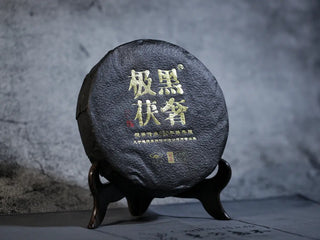
"Fu Brick Tea is alive—and your storage choices decide its future."
Key Takeaways
- Fu Brick Tea evolves with age, like wine or cheese.
- Golden Flowers (Eurotium cristatum) require stable humidity to thrive.
- Ideal humidity range is 50%–70%; avoid extremes.
- Ventilation prevents musty odors and supports healthy fermentation.
- Use unglazed clay jars or breathable wrappers for aging.
- Avoid light, odors, and temperature swings.
- Proper storage enhances both flavor and value over time.

Unlike most teas, Fu Brick Tea is not a static product. It is a living, breathing thing that changes over time.
Its character evolves, deepens, and improves with age, much like fine wine or aged cheese. Proper storage isn't just about keeping it fresh. It's about helping your tea transform from good to truly exceptional. Good storage protects your investment and makes your tea taste better.
This guide gives you everything you need to know. We'll cover the basic principles of aging, show you practical at-home solutions for any climate, and help you become a master of your collection. To fully appreciate its potential, you should understand its entire journey, as detailed in our Ultimate Guide to Fu Brick Tea (Fuzhuan Tea).
Why Proper Fu Tea Storage Is a Game-Changer
The unique character of Fu Brick Tea comes from its special production method. It is a kind of tea produced by microbial fermentation, a controlled process that adds helpful microorganisms to the tea leaves.
Central to this process is a remarkable micro-fungus called Eurotium cristatum, often called "Golden Flowers" or Jin Hua. These aren't a defect - they are the very heart of Fu Tea's transformation. Think of these Golden Flowers as living things. They need a stable, nurturing environment to thrive.

As they live and breathe, they change the tea leaves, breaking down harsh compounds and mellowing the flavor. Poor storage can do more than just stop this process. Too much humidity can cause harmful molds, while very dry conditions can kill the Golden Flowers.
The magic of this tea lies in what is the 'Golden Flower' in Fu Tea, a beneficial probiotic that transforms the leaves over time.
The 5 Golden Rules of Storing Fu Tea at Home
To successfully age Fu Brick Tea, we must create conditions that mimic its ideal aging environment. We've broken down this complex process into five simple rules anyone can follow.
Rule 1: Maintain Balanced Humidity (The Breath of Life)
Humidity is the most critical factor in Fu Tea storage. It presents two risks: too high, and you invite harmful mold; too low, and the tea dries out.
The ideal relative humidity (RH) for Fu Tea is between 50% and 70%. This range gives enough moisture for the beneficial fungi to remain active without letting destructive molds grow.
- Do: Use a simple digital hygrometer to monitor the humidity of your storage space. This cheap tool removes all guesswork.
- Do: Store the tea in its original breathable paper wrapper whenever possible.
- Don't: Store Fu Tea in damp basements, steamy kitchens, or bathrooms where humidity changes a lot.
Rule 2: Ensure Gentle Ventilation (Let It Breathe)
Stagnant air is a major threat. It traps moisture against the tea and allows musty odors to develop.
Good airflow helps regulate humidity and provides oxygen that the Eurotium cristatum needs to thrive. The goal is not a strong draft, but rather adequate air circulation to keep the air fresh. This principle is vital for all aging dark teas.
- Do: Store your tea in a room with some natural air movement.
- Do: If storing in a cabinet, open the door for a few minutes every week or two to refresh the air.
- Don't: Seal your tea in airtight plastic bags or containers for long-term aging. This stops the tea from developing.
Rule 3: Keep a Cool, Stable Temperature
Heat speeds things up. For tea aging, it speeds up the wrong reactions, potentially "cooking" the leaves and killing the beneficial fungi.
The ideal Fu Brick Tea storage temperature is between 20-25°C (68-77°F). More important than hitting a specific number is keeping it stable. Big temperature changes cause the tea to expand and contract, which can stress the leaves.
- Do: Choose a location like a closet in a climate-controlled room or a cabinet away from exterior walls.
- Don't: Store tea near heat sources like radiators, ovens, or on refrigerators. Avoid places with direct sunlight.
Rule 4: Banish Light and Odors (The Silent Killers)
Light, especially direct sunlight, is damaging. UV rays trigger chemical reactions that break down important compounds in the tea.
Fu Tea is also very absorbent and soaks up nearby smells like a sponge. Storing it near spices, coffee, incense, or cleaning products will permanently change its flavor.
Preserving the tea's natural aroma is essential not only for taste but also for its health benefits, such as those that can help with weight loss.
- Do: Store tea in a dark cupboard, cabinet, or inside an opaque container.
- Do: Keep your tea storage completely separate from any fragrant items.
Rule 5: Choose the Right 'Home' for Your Tea

The container you choose serves as the first line of defense against environmental changes. Not all containers work equally well for aging Fu Tea.
Here is a breakdown of the most common options:
| Container Type | Pros | Cons | Best For... |
|---|---|---|---|
| Original Paper Wrapper | Excellent breathability, keeps tea's identity | Offers little physical or odor protection | Short to medium-term storage in a controlled environment. |
| Cardboard Box | Breathable, inexpensive, blocks light | Can impart papery smell, low humidity buffer | Grouping multiple bricks, medium-term storage away from odors. |
| Unglazed Clay/Zisha Jar | Excellent humidity regulation, breathable, blocks light | Can be expensive, can absorb odors itself | [Ideal for long-term aging] Enthusiasts in varied climates. |
| Wooden Box (Unscented) | Good breathability and stability | Risk of wood scent contamination (use neutral wood only) | Long-term storage for serious collectors. |
| Sealed Mylar Bag | Completely blocks light, odor, and air | Not breathable. Halts aging. Can trap moisture. | Transporting tea or very short-term protection. [Not for aging]. |
 |
SMOOTH & GENTLE YXT Jingyang Golden Flower Fu Tea - First Grade - Yellow Can 300g Discover YXT Jingyang Fu Tea in the Classic Yellow Can. First-grade leaves, abundant golden flowers, mellow sweetness. Qinling origin. Shop 300g tin now! |
Adapting Storage to Your Climate: A Practical Guide
The "perfect" storage setup is different for everyone. From our experience working with tea lovers around the world, the biggest challenge is adapting these rules to your local climate.
Storing Fu Tea in High-Humidity Climates (e.g., Coastal Areas, Tropical Regions)
Problem: The main risk here is too much moisture, which can lead to harmful mold. Your focus must be on controlling humidity.
- Monitor relentlessly: A hygrometer is absolutely necessary. Check it daily during humid seasons.
- Utilize dehumidifiers: For serious collections, a small electric dehumidifier in the storage room is best. You can also use food-grade moisture-absorbing packets near the tea (but never touching it).
- Enhance air circulation: A small fan set in the storage room for a few hours a day can prevent damp air from settling.
- Prioritize clay: Unglazed clay jars are very helpful in humid climates. They help absorb excess moisture from the air.
Storing Fu Tea in Low-Humidity Climates (e.g., Arid/Desert Regions, Centrally-Heated Homes)
Problem: In very dry places, the tea will dry out. The Golden Flowers will go dormant or die, and the aging process will stop. Your focus is on adding and maintaining gentle humidity.
- Introduce humidity: A "pumidor" setup works well. Place your teas in a cabinet with a small dish of distilled water or a damp, clean sponge. This will gently raise the humidity.
- Avoid direct airflow: Keep tea away from heating and air conditioning vents, which will quickly dry it out.
- Group teas together: Storing multiple bricks inside a single box helps create a more stable environment. The teas together hold moisture better than a single brick alone.
Shelf Life and Spoilage: Does Fu Tea Go Bad?
This is one of the most common questions we receive. Understanding the difference between beneficial aging and spoilage is key to being a confident collector.
How to Protect Fu Brick Tea From Mold and Identify Spoilage
First, let's be clear: In most cases having fungus growing on your tea would be considered a negative thing. Fu Tea is special because the right kind of fungus is intentionally grown on it.
These beneficial golden flowers are a key reason for the many health benefits of Fu Brick Tea. Your job is to learn to tell them apart from harmful mold.

Here is a guide to telling good from bad:
-
GOOD SIGN - Golden Flowers (Eurotium cristatum):
- Appearance: They look like tiny golden-yellow or bright orange specks, similar to pollen dust. They are usually found within the brick's layers, not just on the surface.
- Smell: The aroma is clean, pleasant, and often sweet or hay-like.
- Feel: The brick should feel dry or firm to the touch, not damp or slimy.
-
BAD SIGN - Harmful Mold (Spoilage):
- Appearance: This is fuzzy, hairy, or web-like growth. It can be white, green, blue, or black. It often starts on the surface of the brick.
- Smell: Trust your nose. Bad mold has a sharp, musty, damp-basement, sour, or fishy odor.
- Action: If you see or smell any signs of harmful mold, the tea is spoiled. It must be thrown away. Do not try to scrape it off or drink it, as it is not safe.
The True Shelf Life of Fu Brick Tea
Fu Tea doesn't have an "expiration date." With proper storage, it can last indefinitely, but its flavor and character will keep changing.
-
Young Fu Tea (1-3 years): The character is often brighter and more potent. You may notice some astringency or a straightforward flavor.
-
Aged Fu Tea (5-15 years): This is where the magic happens. The sharp edges soften, and the flavors become smoother, deeper, and more complex. The sweetness becomes more pronounced, with notes of dried fruit, camphor, and earth.
-
Vintage Fu Tea (20+ years): A properly aged vintage Fu Tea is a treasure. It has an incredibly smooth, thick texture with nuanced aromas of Chinese herbs, aged wood, and sweet dates.
 |
AGED & MELLOW Jingyang Genshe 2010 Vintage Fu Brick Tea | Golden Flower Dark Tea Rare 2010 vintage Fu Brick Tea handcrafted by heritage master Jia Genshe. 16+ years dry-aged with abundant Golden Flowers. Unique tea-oil process. 468g brick. |
Conclusion: Your Fu Tea's Future Is in Your Hands
Storing Fu Brick Tea is an active, rewarding part of the tea journey. It turns you from a simple consumer into a caretaker of your tea's development, guided by three main principles: Balance, Breathability, and Stability.
By managing humidity, ensuring proper airflow, and protecting your tea from extremes, you aren't just preserving a purchase. You are nurturing an investment that will reward you with increasingly complex flavors for years to come.
Now that you've mastered how to store Fu Brick Tea, you might want to learn how to choose the perfect Fu Brick Tea to age next, or perfect your technique for how to brew Fu Brick Tea to enjoy its amazing evolving flavors.
FAQ
-
What is the ideal humidity level for storing Fu Brick Tea?
The ideal relative humidity (RH) for Fu Brick Tea storage is between 50% and 70%, which provides enough moisture for beneficial fungi while preventing harmful mold growth. -
Can Fu Brick Tea go bad if stored improperly?
Yes, improper storage can lead to harmful mold growth. Good Fu Tea has golden-yellow specks (Golden Flowers), while harmful mold appears fuzzy, web-like in white, green, blue, or black with a musty odor. -
What's the best container for long-term Fu Brick Tea storage?
Unglazed clay/Zisha jars are ideal for long-term aging as they provide excellent humidity regulation, breathability, and light protection. -
How should I store Fu Brick Tea in a humid climate?
In humid climates, monitor humidity with a hygrometer, use a small dehumidifier or food-grade moisture-absorbing packets nearby, improve air circulation, and store tea in unglazed clay containers. -
Does Fu Brick Tea have an expiration date?
Fu Brick Tea doesn't have an expiration date. With proper storage, it can last indefinitely while its flavor profile continues to develop and improve over time.
Each year, we serve thousands of satisfied tea enthusiasts in our tea house, and we're excited to share these exceptional teas with tea lovers worldwide at Orientaleaf.com.
Try our award-winning Jingyang Fu Brick Tea – authentic taste, crowned World Tea Champion 2025 >>, and don’t forget to Join Us for updates and exclusive offers.
Brew Pro, Buy Smart
📖 Further Reading
🛍️ Explore Our Fu Brick Tea