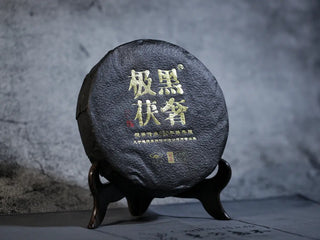
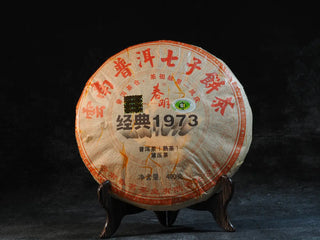
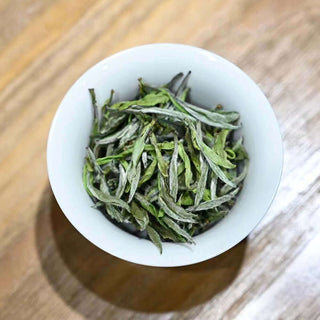
"Tee nach Blattgröße zu sortieren ist wie Kies nach Gewicht zu sortieren. Es sagt dir etwas Nützliches. Aber es wird dir niemals sagen, ob der Stein von heiligem Boden stammt."
Wichtige Erkenntnisse
- Der Westliches Bewertungssystem (OP → SFTGFOP1) sortiert schwarzen Tee nach physischer Blattgröße und Ganzheitlichkeit — ein Erbe des industriellen Handels.
- Der Chinesisches Bewertungssystem bewertet Zartheit (嫩度), Erntezeit (时令) und Terroir (产地) — ein Erbe landwirtschaftlicher Kunst.
- "Orange Pekoe" ist kein Geschmack; es ist eine strukturelle Klassifikation, die sich auf Ganzblatt-Schwarztee, historisch verbunden mit dem niederländischen Haus Orange-Nassau.
- SFTGFOP1 repräsentiert den absoluten Höhepunkt der westlichen Bewertung — Spezial Finest Tippy Golden Flowery Orange Pekoe, Erstklassigkeit.
- Ming Qian (明前) — Tee, der vor dem Qingming-Fest (~5. April) geerntet wird — ist Chinas begehrtester saisonaler Marker für den Höhepunkt der grünen Teequalität.
- Westliche Bewertungen gelten fast ausschließlich für orthodoxe Schwarztees aus Indien, Sri Lanka und Kenia — niemals für chinesische grüne, Oolong- oder weiße Tees.
- A Eine höhere Qualität garantiert keinen besseren Geschmack; Frische, richtige Lagerung und persönlicher Geschmack sind ebenso entscheidende Faktoren.
- Verwenden Sie Qualitätsstufen strategisch: BOP für kräftigen Milchtee; Spezialqualität Ming Qian für zartes Trinken; Qualität 1–2 für außergewöhnliche Täglicher Wert.

Zwei Welten des Tees, zwei Qualitätssysteme
Das Teeingehungs hat zwei Haupttraditionen. Das westliche System konzentriert sich auf industrielle Standardisierung für den globalen Handel. Im Gegensatz dazu ist das chinesische System anders. Es legt Wert auf Geschmack und Kunstfertigkeit, wobei nationale Standards die Grade für die sechs Haupttee-Kategorien festlegen.
Chinesischer Tee ist heute weltweit beliebt. Das führt zu einer häufigen Verwirrung. Wie hängen diese westlichen und chinesischen Bewertungssysteme zusammen, was ist ihre Kernlogik und welche nützlichen Informationen können sie beim Teekauf liefern?
Dieser Leitfaden wird diese Fragen beantworten.
Die Kernfrage: Warum sprechen SFTGFOP1 und ‚Ming Qian‘ unterschiedliche Sprachen
Stellen Sie sich vor. Ein Teeliebhaber kennt Darjeeling gut und versteht, dass ein komplexer Begriff wie SFTGFOP1 für höchste Qualität steht. Dann findet er einen Premium-Longjing-Grüntee, der mit einer poetischen Phrase wie Ming Qian (明前) beschrieben wird, und die alten Regeln gelten nicht mehr.
Dieser Leitfaden wird diese beiden unterschiedlichen Teeingehungs-Systeme entmystifizieren. Wir sind hier, um die Kluft zu überbrücken und diese unterschiedlichen Qualitäts-Sprachen für Sie zu übersetzen.
Wir werden die grundlegende Philosophie hinter der westlichen und chinesischen Teeklassifikation untersuchen. Wir bieten eine klare Teebewertungstabelle und befähigen Sie letztendlich, den richtigen Tee für Ihren Geschmack und Zweck auszuwählen.
Die Reise beginnt mit ihren unterschiedlichen Ursprüngen. Das westliche System stammt aus dem industriellen Handel, während das chinesische System in landwirtschaftlicher Kunstfertigkeit und dem Streben nach sublimem Geschmack verwurzelt ist.
Der Kernunterschied: Mechanische Sortierung vs. ganzheitliche Kunstfertigkeit
Um die Teebewertungen zu verstehen, müssen Sie einen entscheidenden Unterschied erfassen. Es geht um mehr als nur Buchstaben und Namen; es ist eine grundlegende Divergenz darin, wie "Qualität" definiert und gemessen wird.
Ein System priorisiert die physische Form für die kommerzielle Konsistenz. Das andere bewertet das energetische und sensorische Potenzial der Blätter. Dies ist die entscheidende Erkenntnis, die alles andere erschließt.
Das westliche System: Ein Erbe des industriellen Handels
Das westliche Teebewertungssystem wurde für den globalen Handel des Britischen Empire entwickelt. Seine Hauptziele waren Konsistenz, Volumen und die Schaffung eines vorhersehbaren Produkts für Blender und internationale Märkte.
Im Kern ist dies ein mechanischer Prozess. Nach der Verarbeitung werden schwarze Teeblätter durch eine Reihe von Sieben mit unterschiedlichen Maschenweiten geleitet, um nach physischer Größe und Ganzheit sortiert zu werden.
Stellen Sie es sich vor wie das Sortieren von Kies. Eine Maschine trennt große Steine von mittleren Kieselsteinen und feinem Sand. Dies zeigt die physische Form des Kieses, aber es offenbart nicht unbedingt die inhärente Qualität des Steins selbst.
Dieses System erstellt einheitliche Lose für einen effizienten Handel, eine Tradition, die im historischen Kontext des Begriffs "Orange Pekoe".
Das chinesische System: Ein Ausdruck landwirtschaftlicher Kunst
Die chinesische Teeklassifikation System arbeitet auf einer ganz anderen Ebene. Sein Zweck ist nicht, eine Ware zu standardisieren, sondern den Höhepunkt von Geschmack, Aroma und Qi (气), oder Lebenskraft.
Es ist ein System für Produzenten und Kenner. Diese ganzheitliche Bewertung basiert auf drei Säulen, die tief mit Natur und Handwerkskunst verbunden sind.
- Zartheit (嫩度 - Nèn Dù): Dies ist die wichtigste Kennzahl. Je jünger Knospe und Blatt sind, desto wertvoller sind sie. Eine einzelne, samtige Knospe ist das Inbegriff von Zartheit und besitzt das konzentrierteste Geschmacksprofil.
- Zeitpunkt (时令 - Shí Lìng): Das genaue Erntedatum ist ein entscheidendes Qualitätsmerkmal. Besonders bei Grüntees kann ein paar Tage den Unterschied im Geschmack ausmachen.
- Terroir (产地 - Chǎn Dì): Der Anbauort des Tees ist unverhandelbar. Der spezifische Berg, das Dorf oder sogar ein bestimmtes Grundstück verleiht eine einzigartige Charakteristik, die nicht reproduziert werden kann.
Gemeinsam bestimmen diese Faktoren die Qualitätsstufen des Tees auf eine Weise, die mechanisches Sortieren niemals erreichen könnte.
Entschlüsselung westlicher Grade: Mehr als nur "Orange Pekoe"
Für viele können westliche Teestufen wie eine einschüchternde Wand aus Abkürzungen erscheinen. Aber der Code wird zu einem einfachen Leitfaden für die physischen Eigenschaften Ihres schwarzen Tees, sobald Sie seine Logik verstehen.
Dieses System ist äußerst spezifisch. Es zu verstehen, entmystifiziert nicht nur den Fachjargon auf Ihrer Teeverpackung, sondern verhindert auch einen häufigen Fehler: Diese Grade auf Tees anzuwenden, für die sie nie bestimmt waren.
Was ist wirklich Orange Pekoe?
Zunächst wollen wir einen verbreiteten Mythos entkräften. "Orange Pekoe" hat absolut nichts mit der Orangensorte oder irgendeiner Art von Orangengeschmack zu tun.
Das "Orange" bezieht sich wahrscheinlich auf den Hollandische Orange-Nassau. Sie gehörten zu den Vorreitern bei der Einführung von Tee in Europa. Die Verbindung des Tees mit dem Königshaus war eine clevere Marketingstrategie, um einen hohen Qualitätsstandard zu signalisieren.
„Pekoe“ ist hingegen eine Version des chinesischen Begriffs für das feine, haarige Nachwachsen an jungen Teeblättern, bekannt als 白毫 (báiháo). Was ist also orange pekoe? Es ist ein Standard für Schwarztee-Blätter, kein Geschmack.
Von OP bis SFTGFOP1: Ein Glossar der Begriffe
Das westliche Bewertungssystem ist hierarchisch. Jeder zusätzliche Buchstabe kennzeichnet in der Regel einen höheren Anteil an wünschenswerten Elementen, hauptsächlich die jungen Blattknospen oder „Tips“.
Hier ist eine klare Übersicht, vom Baseline bis zum Höhepunkt:
- OP: Orange Pekoe. Dies ist die Baseline-Güteklasse für ganze Blätter, bestehend aus langen, drahtigen Blättern ohne Tips.
- FOP: Blumig Orange Pekoe. Das "F" zeigt das Vorhandensein von Spitzen oder "Blumen"—den ungeöffneten Blattknospen—an.
- GFOP: Goldfarben Blumiges Orange Pekoe. Dies kennzeichnet einen hochwertigen Tee mit einer größeren Anzahl an Spitzen, die nach der Verarbeitung oft golden erscheinen.
- TGFOP: Spitzig Goldenes Blumiges Orange Pekoe. Ein sehr hoher Anteil an Spitzen ist vorhanden. Dies signalisiert einen zarteren und nuancierteren Tee.
- FTGFOP: Höchste Qualität Tippy Golden Flowery Orange Pekoe. Diese Sorte ist für Tees außergewöhnlicher Qualität und Handwerkskunst reserviert.
- SFTGFOP1: Spezial Höchste... Die Bedeutung von sftgfop1 ist der absolute Höhepunkt des Systems. Das "S" steht für Special oder Super, und die "1" zeigt an, dass es sich um die beste Partie oder Rechnung von diesem bestimmten Anwesen handelt.
Der entscheidende Hinweis: Ein System hauptsächlich für schwarzen Tee
Dies ist die wichtigste Erkenntnis in diesem Abschnitt. Das gesamte Bewertungssystem – von OP bis SFTGFOP1 – wurde für und wird fast ausschließlich für orthodoxe (Ganzblatt-)Schwarztees verwendet.
Es ist die Sprache der Tees aus Indien, Sri Lanka und Kenia. Diese Regionen haben eine Geschichte der britischen Teeanbauweise.
Man wird kein "SFTGFOP"-Grad bei chinesischem Grüntee, taiwanesischem Oolong oder Fujian-Weiße Tee finden. Dieses System auf diese Tees anzuwenden, ist wie ein Gemälde nach dem Gewicht seines Rahmens zu beurteilen. Es ist einfach nicht anwendbar.
Die chinesische Bewertung: Zartheit, Timing und Terroir
Während der Westen ein System für den Handel entwickelte, verfeinerte China über Jahrtausende ein System, das sich auf landwirtschaftliche Kunst konzentriert. Die chinesische Bewertungslogik bezieht sich weniger auf die endgültige Größe der Blätter und mehr auf ihr Potenzial ab dem Moment des Pflückens.
Das Verständnis dieser Konzepte bietet den kulturellen und landwirtschaftlichen Kontext, um hochwertigen chinesischen Tee und seine Beschreibungen zu schätzen.
Der nationale Standard: Von Sonderqualität bis zur fünften Klasse
China hat einen nationalen Standard (GB/T), der eine moderne Standardisierung ermöglicht. Dieser vereinfacht die Grade oft in eine numerische Hierarchie.
- Oberste (Tè Jí): Spezialqualität (die höchste)
- Erste Klasse (Yī Jí): Grad Eins
- Zweite Klasse (Èr Jí): Grad Zwei
- Dritte Klasse (Sān Jí): Grad Drei (usw.)
Es ist wichtig zu wissen, dass dies nur ein allgemeiner Rahmen ist. Berühmte, historisch bedeutende Tees wie Longjing oder Tie Guan Yin haben ihre eigenen nuancierten internen Bewertungstraditionen, die von Kennern befolgt werden und oft über Generationen von Bauern weitergegeben werden.
Die Priorität des Buds: "Zartheit" als das ultimative Kriterium
In der Welt des chinesischen Tees wird der höchste Wert auf 嫩度 (nèn dù), also die "Zartheit" des gepflückten Blattes, gelegt. Eine hohe Qualität ist fast immer gleichbedeutend mit einem hohen Grad an Zartheit.
Der begehrteste Pflückstandard umfasst nur die ungeöffneten Blattknospen. Diese sind mit feinen, samtigen Härchen bedeckt. Der nächsthöhere Standard ist eine Knospe und ein angrenzendes, winziges, frisch geöffnetes Blatt.
Diese zarten Teile der Pflanze sind reich an Aminosäuren wie L-Theanin, die zu der begehrten Umami Süße und Mundgefühl beitragen. Dies sind die Teeblattqualitäten, die wirklich zählen.
Das Rennen gegen die Zeit: Die Magie des "Ming Qian"-Tees
Kein Konzept veranschaulicht die chinesische Fokussierung auf Timing besser als Ming Qian (明前) Tee. Dieser Begriff bedeutet wörtlich "Vor Qingming" und bezieht sich auf Tee, der vor dem Qingming-Fest (Grabreinigungsfest) geerntet wird.
Dieses Fest fällt in der Regel auf den 5. April. Tees, die vor diesem Datum geerntet werden, erzielen die höchsten Preise und gelten als die feinsten des Jahres.
Der Grund ist einfache Agronomie. In den kühlen Temperaturen des frühen Frühlings wachsen die Teesträucher sehr langsam. Dieses langsame Wachstum konzentriert Geschmacksstoffe, Aminosäuren und aromatische Öle in den jungen Knospen, was zu einem Getränk führt, das außergewöhnlich zart, frisch und süß ist, mit minimaler Bitterkeit oder adstringierendem Geschmack.
Dies ist der ultimative Spezial-Qualitäts-Tee, auf den Teeliebhaber jedes Frühjahr sehnsüchtig warten.
Der Vergleichsdiagramm-Meister: Chinesische vs. westliche Systeme
Ein direkter Vergleich ist der beste Weg, um Verwirrung zu klären. Eine perfekte Eins-zu-eins-Umsetzung zwischen den beiden Systemen ist unmöglich—sie messen grundsätzlich unterschiedliche Dinge—aber wir können ihre Logik, ihren Zweck und ihre Sprache gegenüberstellen.
Dieses Diagramm dient als zentrales Element dieses Leitfadens. Es ist ein Schnellreferenz-Tool, um alle bisher präsentierten Informationen zu bündeln. Es ist die direkte Antwort auf die Anfrage zum Tee-Qualitätsdiagramm.
Brücken zwischen zwei Welten: Ein Vergleich im Überblick
Diese Tabelle vergleicht die Philosophien und Zwecke hinter jedem System. Sie bietet eine analytische Tiefe, die in einfachen Glossaren nicht zu finden ist. Das Bewertungssystem des westlichen Teemarkts repräsentiert ein Jahrhundert Handel, während das chinesische System Jahrtausende landwirtschaftlicher Kunst widerspiegelt.
Für eine vertiefte Betrachtung der Nuancen des chinesischen Systems können Sie unseren detaillierten Leitfaden zum Chinesischen Teebewertungssystem.
| Dimension | Westliches Bewertungssystem | Chinesisches Bewertungssystem |
|---|---|---|
| Primäre Kennzahl | Blattgröße & Ganzheitlichkeit (Physisch) | Zartheit, Erntezeit & Terroir (Sensorisch & Landwirtschaftlich) |
| Logik | Mechanische Sortierung (Sieben) | Ganzheitliche Bewertung (Handwerk & Natur) |
| Zweck | Handel & Standardisierung. Schafft Konsistenz für Mixer und den globalen Export. | Geschmack & Kunstfertigkeit. Ziel ist es, die Spitzenqualität und den Charakter eines bestimmten Tees einzufangen und zu kategorisieren. |
| Am besten für... | Orthodoxe Schwarze Tees (z.B. aus Indien, Sri Lanka, Kenia) | Alle sechs chinesischen Teekategorien (Grün, Weiß, Gelb, Oolong, Schwarz, Pu-erh) |
| Höchste Bewertung | SFTGFOP1 (Spezial, feinste, tippige, goldene, blumige Orange Pekoe 1) | Supergrad (Tè Jí - Spezialqualität), häufig eine "Ming Qian" Ernte |
| Mittlerer Bereich | FOP (Flowery Orange Pekoe), BOP (Broken Orange Pekoe) | Grad 1 / Grad 2 |
| Niedriger Bereich | Fannings, Staub (verwendet in Teebeuteln) | Grad 3 und darunter |
Warum ein höherer Grad nicht immer einen "besseren" Tee bedeutet
Wenn Sie die Systeme jetzt verstehen, ist es Zeit für eine fachkundige Nuance. Eine häufige Falle ist die Annahme, dass die höchste Note auf dem Etikett automatisch den besten Tee im Becher bedeutet. Diese Vereinfachung kann zu Enttäuschungen führen.
Als Marke, die Transparenz schätzt, glauben wir, dass es entscheidend ist, über die Note hinauszublicken. Faktoren wie Lagerung, Frische und persönlicher Geschmack spielen eine ebenso wichtige, wenn nicht sogar größere Rolle für Ihr endgültiges Erlebnis.
Die entscheidende Rolle der Lagerung
Die Note eines Tees spiegelt sein Potenzial zum Zeitpunkt seiner Herstellung wider. Aber Tee ist ein empfindliches landwirtschaftliches Produkt, und dieses Potenzial ist zerbrechlich. Unsachgemäße Teelagerung kann selbst die hochwertigsten Blätter schnell verschlechtern.
Wir haben es selbst probiert. Ein frischer, richtig gelagerter Grade-2-Chinesischer Grüntee der aktuellen Saison wird fast immer besser schmecken als ein "Spezial-Grade" Ming Qian Tee vom letzten Jahr, der in einem heißen, feuchten Lagerhaus gelagert wurde. Die zarten, frischen Noten des teuren Tees werden verblassen, ersetzt durch abgestandene, flache Aromen.
Frische ist entscheidend, besonders bei unoxidierten Tees wie Grün- und Weißtee. Die Note auf der Verpackung ist ein Ausgangspunkt, aber die Tequalität in Ihrem Becher wird stark durch den Weg vom Bauernhof zu Ihnen beeinflusst. Kaufen Sie immer bei einem Händler, der richtige Lagerung versteht und priorisiert.
Ihr Geschmackssinn ist der ultimative Richter
Neben objektiven Faktoren wie Frische gibt es das entscheidende Element der persönlichen Vorlieben. Eine höhere Qualität ist nicht automatisch "besser", wenn sie nicht mit den Geschmacksrichtungen übereinstimmt, die Sie genießen.
Zum Beispiel finden manche Teetrinker das hyper-delikate, subtile und pflanzliche Profil eines Special Grade Ming Qian Grüntees zu schwach. Sie könnten tatsächlich den kräftigeren, volleren Charakter eines später geernteten Grade 2 Tees bevorzugen.
Es ist wie die Vorliebe für einen kräftigen Cabernet Sauvignon gegenüber einem zarten Pinot Noir. Der eine ist nicht grundsätzlich besser als der andere; sie sind einfach unterschiedliche Ausdrucksformen von Exzellenz. Das endgültige Urteil über die Qualität eines Tees liegt bei Ihrem eigenen Geschmackssinn. Eine Grade ist eine Orientierung, kein Urteil.
Smart Buyer’s Guide: Wie man Grade nutzt, um den perfekten Tee zu finden
Wissen ist nur dann mächtig, wenn es umsetzbar ist. Lassen Sie uns alles, was wir besprochen haben, in einen praktischen Leitfaden übersetzen, den Sie bei Ihrem nächsten Teekauf verwenden können.
Das Ziel ist es, über das einfache Erkennen von Begriffen hinauszugehen. Wir möchten, dass Sie sie strategisch einsetzen, um den perfekten Tee für jede Gelegenheit, Stimmung oder Brühmethode zu finden.
Basierend auf unserer Erfahrung mit unzähligen Kunden ist hier ein einfacher Leitfaden, um die Grade mit Ihrer gewünschten Erfahrung abzustimmen.
Ein Spickzettel für Ihren nächsten Teekauf
Verwenden Sie diese ergebnisorientierte Liste, um selbstbewusste Entscheidungen zu treffen. Anstatt zu fragen "Was ist die beste Note?", fragen Sie "Welche Erfahrung möchte ich machen?"
- Wenn Sie starken Milchtee oder Chai zubereiten... suchen Sie nach einem Westlichen BOP (Broken Orange Pekoe). Die kleinere, zerbrochene Blattgröße hat eine größere Oberfläche und sorgt für eine schnelle, kräftige und kräftige Infusion, die sich wunderbar mit Milch und Gewürzen verbindet.
- Wenn Sie die zarteste, frischeste und umami-reiche Erfahrung suchen... wählen Sie ein Chinesischen Spezialgrad (特级) grünen Tee, speziell eines mit der Bezeichnung Ming Qian (明前). Dies ist der Höhepunkt an Frische und Feinheit, der am besten pur genossen wird, um die Nuancen zu schätzen.
- Wenn Sie ein hervorragendes Alltagsgetränk mit großem Wert suchen... ein Chinesische Grade 1 oder Grade 2 sind oft der ideale Kompromiss. Es bietet viel Charakter und Geschmack des Spezialgrades, aber zu einem zugänglicheren Preis.
- Wenn Sie einen raffinierten, aromatischen schwarzen Tee suchen, um ihn pur zu trinken... suchen Sie nach einem Westlichen FOP oder TGFOP. Die ganzen Blätter und der hohe Anteil an Tips sorgen für eine komplexe, vielschichtige und weniger adstringierende Tasse, die perfekt zum Genießen ohne Zusätze ist.
Dieser strategische Ansatz hilft Ihnen, Tee nach Qualität zu kaufen, sodass Sie jedes Mal die beste Teequalität für Ihren speziellen Zweck erhalten.
Fazit: Von Verwirrung zu Vertrauen
Die Welt der Teesorten zu navigieren, kann sich anfühlen, als würde man zwei neue Sprachen gleichzeitig lernen. Doch die Komplexität löst sich auf, wenn Sie den Kernzweck hinter jedem System verstehen.
Die westlichen und chinesischen Systeme stehen nicht im Konflikt. Sie messen einfach unterschiedliche Dinge aus unterschiedlichen Gründen. Das eine ist eine Sprache des industriellen Handels und der Standardisierung; das andere ist eine Sprache der landwirtschaftlichen Kunstfertigkeit und des Geschmacks.
Indem Sie die Logik beider Systeme verstehen, verwandeln Sie sich vom passiven Käufer in einen selbstbewussten Kenner. Sie sind jetzt in der Lage, die Geschichte auf dem Etikett zu lesen, darüber hinauszublicken und letztlich die Blätter zu finden, die wirklich zu Ihnen sprechen.
FAQ
Q1: Was ist eine Teebewertungstabelle und warum ist sie beim Teekauf wichtig?
Eine Teebewertungstabelle ist ein Referenzwerkzeug, das vergleicht, wie verschiedene Systeme—westliche und chinesische—die Qualität von Tee klassifizieren. Das westliche System bewertet schwarzen Tee nach Blattgröße und Ganzheit (z.B. OP, FOP, SFTGFOP1), während das chinesische System die Zartheit, Erntezeit und Terroir beurteilt. Das Verständnis der Tabelle hilft Ihnen, die richtige Qualität für Ihre Zubereitungsbedürfnisse zu wählen und Überzahlungen für Tee zu vermeiden, der nicht Ihrem Geschmack entspricht.
F2: Was bedeutet SFTGFOP1 auf einer Teebewertungstabelle?
SFTGFOP1 steht für Special Finest Tippy Golden Flowery Orange Pekoe 1 und repräsentiert den höchsten Standard im westlichen Schwarztee-Bewertungssystem. Jeder Buchstabe fügt eine Qualifikation hinzu: mehr goldene Tips, feinere Verarbeitung und außergewöhnliche Blattqualität. Die "1" zeigt die beste Lieferung oder Charge von einem bestimmten Anwesen an. Es gilt fast ausschließlich für orthodoxe Schwarztees aus Regionen wie Darjeeling, Sri Lanka und Kenia.
F3: Wie erscheint Ming Qian Tee auf einer chinesischen Teebewertungstabelle?
Ming Qian (明前), was "Vor dem Qingming" bedeutet, ist der prestigeträchtigste Erntemarker im chinesischen Teebewertungssystem. Tee, der vor dem Qingming-Fest (etwa 5. April) geerntet wird, wächst langsam bei kühlem Wetter und konzentriert Aminosäuren sowie aromatische Öle in den zarten Knospen. Er entspricht typischerweise der Kategorie Sonderqualität (特级) auf der nationalen Standardtabelle und wird für seine zarte Süße, frisches Aroma und minimale Bitterkeit geschätzt.
F4: Kann ich eine westliche Teebewertungstabelle verwenden, um chinesischen Grün- oder Oolong-Tee zu bewerten?
Nein. Die westliche Bewertungstabelle wurde speziell für orthodoxe Schwarztees entwickelt, die in britisch beeinflussten Regionen produziert werden. Begriffe wie Orange Pekoe oder TGFOP auf chinesischen Grün-, Weiß-, Oolong- oder Pu-Erh-Tees anzuwenden, ist sinnlos – diese Kategorien werden anhand völlig anderer Kriterien bewertet: Knospenzart, Pflückstandard, Terroir und Erntezeit. Die falsche Tabelle zu verwenden, führt zu Verwirrung und schlechten Kaufentscheidungen.
F5: Bedeutet eine höhere Position auf der Teebewertungsskala immer einen besseren Geschmack im Becher?
Nicht unbedingt. Die Bewertung eines Tees spiegelt sein Qualitäts-Potenzial zum Zeitpunkt der Herstellung wider, aber Lagerung, Frische und persönliche Vorlieben beeinflussen das Endergebnis. Ein richtig gelagerter chinesischer Grüntee der Qualität Grade 2 aus der aktuellen Saison kann leicht einen abgestandenen Spezial-Grade-Tee vom Vorjahr übertreffen. Betrachten Sie die Bewertungsskala als nützlichen Ausgangspunkt, nicht als endgültiges Urteil—Ihr Geschmackssinn ist das entscheidende Kriterium.
Jedes Jahr besuchen Tausende von Teeliebhabern unser Teelabor, um eine ruhige Tasse authentischen Tees zu genießen. Jetzt können Sie dieses Erlebnis nach Hause bringen von Orientaleaf.com.
Brühen Sie Profi, Kaufen Sie Klug
≡ Schnelle Navigation +/−
↑ Klick auf die Überschrift, um sie zu minimieren
1. Wichtigste Erkenntnisse 2. Der Kernunterschied: Mechanische Sortierung ... 3. Western Grade entschlüsseln: Mehr als nur ... 4. Die chinesische Bewertungslogik: Zartheit, T... 5. Der Vergleichstabelle der Meister: Chinesisch vs.... 6. Warum eine höhere Bewertung nicht immer eine... 7. Leitfaden für kluge Käufer: Wie man Bewertungen nutzt... 8. Fazit: Von Verwirrung zu Vertrauen 9. FAQ 10. Brew Pro, klug kaufen