Währung

Dein Warenkorb

Dein Warenkorb ist leer

Gongfu Tea Accessories

Our tea accessories collection is designed to enhance your gongfu cha experience, offering essential tools for both novice and experienced tea enthusiasts. We've carefully selected each item based on its functionality, craftsmanship, and adherence to traditional Chinese aesthetics.
Von der präzisen Teemesser, die benötigt wird, um komprimierte Teekuchen zu öffnen, bis hin zum vielseitigen "Sechs Herren"-Set, das für das Gongfu-Brühen unerlässlich ist, decken unsere Zubehörteile alle Aspekte des Teezubereitungsprozesses ab. Wir bieten auch speziell entworfene Teeschränke für die richtige Lagerung Ihrer kostbaren Teekuchen an, um sicherzustellen, dass sie sich schön alterieren und ihre Qualität aufrechterhalten.
Each accessory in our collection reflects the elegance and practicality of Chinese tea culture. The tea tools are crafted with attention to detail, often featuring classic designs that have stood the test of time. Materials like bamboo, clay, and fine woods are chosen not just for their beauty, but for their interaction with tea and their role in the brewing process.
We personally use these accessories in our daily tea sessions. They're not just decorative items, but functional tools that contribute to the quality of the tea-drinking experience. Whether you're looking to start your gongfu cha journey or expanding your existing collection, these accessories will serve you well.
Unsere Auswahl umfasst:
  • Teemesser zum Zerteilen von komprimiertem Tee
  • Gongfu - Teetische zur Auffangung von Ablaufen und zur Schaffung eines speziellen Raums
  • Teepick-Sets zum Reinigen von Teekannenausgüssen und Umgang mit Teeblättern
  • Teelöffel für präzise Portionierung
  • Tea-Lagermöglichkeiten, um den Geschmack Ihrer Tees zu bewahren
We recommend starting with the basics and gradually building your collection as you explore different teas and brewing methods. Each tool has its purpose, and you'll discover how they contribute to the nuances of flavor and aroma in your tea.
Remember, while good tools can enhance the experience, the most important elements are still the quality of the tea and the spirit in which it's shared. These accessories are here to support your tea journey, not to complicate it.

11 Ergebnisse

11 Ergebnisse

Wooden Tea Knife Needle for Tea Cake Bricks丨Orientaleaf Wooden Tea Knife Needle to Break Up Tea Cake Bricks teaware Orientaleaf

$2.99

Stückpreis
pro

Auf Lager

Tea tools three-piece set Scoop Needle Tongs丨Orientaleaf Bamboo Gongfu tea tools teaware Orientaleaf
Sale

Normaler Preis $29.99 $18.00 Speichern 40%

Stückpreis
pro

Bamboo Gongfu tea tools

Normaler Preis $29.99 $18.00 Speichern 40%

Stückpreis
pro

Auf Lager

Glass Fairness Cup for Gongfu Tea Brewing 丨Orientaleaf Glass Fairness Cup teaware Orientaleaf

Von $29.99

Stückpreis
pro

Glass Fairness Cup

Von $29.99

Stückpreis
pro

Auf Lager

Stand up kraft paper tea pouch with foil lining for fresh tea storage

Von $1.95

Stückpreis
pro

Auf Lager

Front view of a white multi-layer aluminum foil tea pouch featuring a resealable zipper and high-barrier protection.

Von $3.45

Stückpreis
pro

Auf Lager

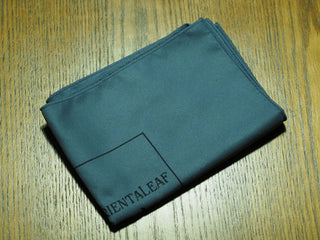
Dickes graues Teetuch | 30x40cm super saugfähig

$4.95

Stückpreis
pro

Auf Lager

Bamboo Tea Cake Storage Cabinet

Von $78.00

Stückpreis
pro

Bamboo Tea Cake Storage Cabinet

Von $78.00

Stückpreis
pro

Auf Lager

Stainless Steel Gongfu Tea Strainer - Durable 304 Steel, Fine Tea Filter

$8.50

Stückpreis
pro

Auf Lager

Jingdezhen Porcelain Tea Strainer - A Tranquil and Scenic Stream

$79.00

Stückpreis
pro

Auf Lager

Jingdezhen Porcelain Tea Strainer - Blue and White Porcelain

$79.00

Stückpreis
pro

Auf Lager

Jingdezhen Porcelain Tea Strainer - Red Dragon

$79.00

Stückpreis
pro

Auf Lager

Collection Guide

White Tea: The Quietest Craft in Chinese Tea

Where less is more, and a single bud — dried by sun and time — becomes one of China's most elegant teas.

White tea (白茶) is China's oldest and least processed tea: a bud or bud-and-leaf that is withered and dried, with nothing added and nothing taken away. This guide covers everything worth knowing about the white teas in this collection — how they are made, the three grades, the two great origins, fresh versus aged, and how to brew and choose.

01

What Is White Tea?

White tea is defined by what it leaves out. Unlike green, oolong, or black teas, it is never pan-fired, steamed, rolled, or oxidized. Leaves are simply withered in the sun or indoor air, then gently dried. That minimal intervention is the whole philosophy — the leaf keeps its silver fuzz, its natural sweetness, and a character that feels almost untouched by human hands.

  • 1PluckingBy hand each spring — a single bud for Silver Needle, bud-and-leaf for White Peony, or mature leaves for Shou Mei.
  • 2Sun witheringLeaves are spread thin and left to wither for hours or days. This slow moisture loss is where the flavour is really born.
  • 3Gentle dryingA low-temperature bake or continued air-drying stops the process and locks in the downy aroma.
  • 4AgingStored dry and undisturbed, some white teas transform over time — the story we turn to below.

"White tea is made by doing almost nothing — and that is precisely the point."

For the full origin story, craft, and brewing notes, read The Ultimate Guide to Fuding White Tea.

02

The Three Grades

Chinese white tea is graded by how much bud and how much leaf goes into the plucking. The three classic grades are best understood as a stepping ladder, moving from a single bud to mature leaf.

Grade 1 · Bud Only

Silver Needle Baihao Yinzhen

Single, fully down-covered buds. The most prized, most delicate grade — silky, floral, honeyed. Best drunk fresh.

Grade 2 · Bud + 1–2 Leaves

White Peony Bai Mudan

Bud and adjacent leaves picked together. A balanced, everyday white tea with floral and gently sweet notes that also rewards light aging.

Grade 3 · Mature Leaf

Shou Mei

Fuller, older leaves. Bolder and more forgiving — and the grade that transforms most beautifully with age. Gongmei is its lighter, younger sibling.

Want to see how they compare side by side? Start with The Complete Guide to the Types of Fuding White Tea, then Bai Mu Dan vs Bai Hao Yin Zhen.

03

Two Origins, Two Characters

Every white tea in this collection comes from one of two great producing regions. Same craft, different character — and knowing which one you hold tells you a great deal about its flavour.

Fujian · Fuding

The Birthplace

The historical home of white tea, centred on the Fuding Da Bai tea plant. Small leaves, sunny withering, a clear and elegant style with pronounced downy aroma and honeyed sweetness.

Yunnan · Jinggu, Fengqing

The Bold Sibling

Large-leaf and ancient-tree material, including the classic yue guang bai (Moonlight White). Richer, fruitier, more full-bodied in the mouth — and a strong candidate for aging.

Compare them directly: How Does Fuding Silver Needle Differ from Yunnan Silver Needle? and Understanding Yunnan White Tea.

04

Fresh vs Aged

White tea has one of the most celebrated aging traditions in Chinese tea. The folk saying runs "one year a tea, three years a medicine, seven years a treasure" — and while we let the flavour speak for itself, the guiding idea is simple: the further a leaf moves from fresh, the deeper and smoother it becomes.

Fresh

Suit Silver Needle & White Peony

Bright, floral, and honeyed. Best enjoyed within the first year or two, when the downy aroma and clean sweetness are at their peak.

Aged

Suit Shou Mei & Mature Leaf

Over time the cup turns mellow, woody, and date-like. Stored dry and cool — a practice we follow in our own warehouses — these reward patience.

Dig deeper into how time transforms the leaf: From Simple Leaf to Prized Treasure and Freshness vs Aging: White Tea Storage.

05

Brewing White Tea

White tea is forgiving, but a little attention goes a long way. The key variables are water temperature and time.

  • Silver Needle — a gentle 85–90°C; too hot scorches the delicate buds.
  • White Peony — 90–95°C for a balanced, aromatic cup.
  • Shou Mei — 100°C works well and the leaf can even be boiled, especially when aged.
  • Gongfu style — roughly 5 g per 100 ml, 20–30 seconds for the first infusion, then increasing with each round.

In cooler months, an aged Shou Mei boiled on the stove makes a warming, mellow brew that suits long sessions by the fire — a favourite autumn and winter ritual. For the full step-by-step, see How to Brew White Tea Perfectly Every Time and the Gongfu Silver Needle guide. For a winter classic, read White Tea and Tangerine Peel.

06

Caffeine & Health

A common question about white tea. The honest answer: white tea does contain caffeine — how much depends on bud density, leaf age, and how you brew it. Silver Needle is almost entirely buds, which tend to carry more caffeine; mature-leaf Shou Mei generally less. Using cooler water and shorter infusions extracts it more slowly, so you can shape the cup to your comfort.

White tea is loved for its high level of natural antioxidants and its gentle character. As with any food story, we keep our claims modest: it is a refreshing, low-interference tea that many people simply enjoy drinking every day.

For the details, read The Truth About White Tea Caffeine and White Tea Benefits.

07

How to Choose

Start from what you already drink. Prefer something light and elegant? Begin with Silver Needle or White Peony. Enjoy a fuller, longer-lasting tea and like the idea of aging it? Shou Mei is your natural starting point. New to white tea entirely? Both discovery boxes are built to let you compare grades and origins in one sitting.

For a deeper decision path, read How to Choose Fuding White Tea, or see how white tea compares with other teas: White Tea vs Green Tea.

08

Explore Further

Ready to go deeper? These guides from our tea-101 journal cover every corner of white tea.

"The more you drink it, the more you notice: white tea does so little — and gives so much."

Browse the White Tea Collection