通貨

あなたのカート

カートの中身が空です

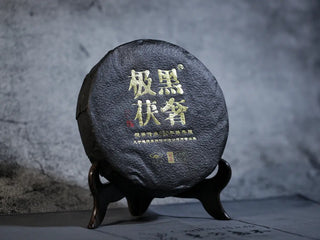
受賞歴のあるゴールデンフラワー茯磚茶

私たちのフーレンチャ茶コレクションは、すべて専門的に仕入れています陝西省、咸陽市、涇陽本格的な茯磚茶の発祥地として広く知られるこの地域。独特の気候と何世紀にもわたる伝統的な製法が、高品質な黒茶を生み出すのに最適な環境を整えています。

私たちは、お茶の世界で際立つ逸品を提供できることを誇りに思います:このシリーズは道教茶工房、受賞したワールド・ティー・チャンピオン2025におけるスーペリア・リーフ賞世界の茶業界で最も権威あるコンテストの一つこの賞は、葉の品質、味わい、そして全体的な職人技の卓越性を称えるものであり、このお茶はまさにその基準にふさわしいものです。

私たちの茯磚茶が際立っているのはその自然発酵プロセス「黄金の花」(ユーロチウム・クリスタトム)の発育過程において、小麦粉を一切使用せず、伝統的な製法に従って製造しています。湿度と温度を厳密に管理することで、黄金の花が自然に咲き誇り、グルテンフリーでアレルギーを持つ方にも適したお茶を実現しながら、その豊かで独特の風味を保持しています。

風味は頑丈でありながら滑らかな土や木々の香りが、ほのかな甘みとバランスを取り合い、熟成するにつれてさらに深みのある香りと風味の複雑さを醸し出します。淹れたてのお茶は心安らぐ、満足感のある一杯となり、一日中楽しめます。集中力を高めたい時、消化を助けたい時、ただゆったりと味わいたい時に最適です。

このお茶は私たちのお気に入りです。当店では、自分たちが実際に飲んで信頼できるお茶だけを取り扱っています。濃い目のお茶を初めてお試しになる方も、特別なお茶をお探しの方も、このお茶はぴったりです。受賞歴のあるフーレンチャー茶すべての淹れ物に、本物の味わい、優れた品質、そして長続きする香りを提供します。

2 件の結果

2 件の結果

Top view of the unwrapped Jingyang Golden Flower Dark Tea Cake (Heicha)

$5.00 から

単価
あたり

在庫あり

On Taoism - Jingyang Golden Flower Fu Brick Tea - 190g Cake

$31.50 から

単価
あたり

在庫あり

Collection Guide

White Tea: The Quietest Craft in Chinese Tea

Where less is more, and a single bud — dried by sun and time — becomes one of China's most elegant teas.

White tea (白茶) is China's oldest and least processed tea: a bud or bud-and-leaf that is withered and dried, with nothing added and nothing taken away. This guide covers everything worth knowing about the white teas in this collection — how they are made, the three grades, the two great origins, fresh versus aged, and how to brew and choose.

01

What Is White Tea?

White tea is defined by what it leaves out. Unlike green, oolong, or black teas, it is never pan-fired, steamed, rolled, or oxidized. Leaves are simply withered in the sun or indoor air, then gently dried. That minimal intervention is the whole philosophy — the leaf keeps its silver fuzz, its natural sweetness, and a character that feels almost untouched by human hands.

  • 1PluckingBy hand each spring — a single bud for Silver Needle, bud-and-leaf for White Peony, or mature leaves for Shou Mei.
  • 2Sun witheringLeaves are spread thin and left to wither for hours or days. This slow moisture loss is where the flavour is really born.
  • 3Gentle dryingA low-temperature bake or continued air-drying stops the process and locks in the downy aroma.
  • 4AgingStored dry and undisturbed, some white teas transform over time — the story we turn to below.

"White tea is made by doing almost nothing — and that is precisely the point."

For the full origin story, craft, and brewing notes, read The Ultimate Guide to Fuding White Tea.

02

The Three Grades

Chinese white tea is graded by how much bud and how much leaf goes into the plucking. The three classic grades are best understood as a stepping ladder, moving from a single bud to mature leaf.

Grade 1 · Bud Only

Silver Needle Baihao Yinzhen

Single, fully down-covered buds. The most prized, most delicate grade — silky, floral, honeyed. Best drunk fresh.

Grade 2 · Bud + 1–2 Leaves

White Peony Bai Mudan

Bud and adjacent leaves picked together. A balanced, everyday white tea with floral and gently sweet notes that also rewards light aging.

Grade 3 · Mature Leaf

Shou Mei

Fuller, older leaves. Bolder and more forgiving — and the grade that transforms most beautifully with age. Gongmei is its lighter, younger sibling.

Want to see how they compare side by side? Start with The Complete Guide to the Types of Fuding White Tea, then Bai Mu Dan vs Bai Hao Yin Zhen.

03

Two Origins, Two Characters

Every white tea in this collection comes from one of two great producing regions. Same craft, different character — and knowing which one you hold tells you a great deal about its flavour.

Fujian · Fuding

The Birthplace

The historical home of white tea, centred on the Fuding Da Bai tea plant. Small leaves, sunny withering, a clear and elegant style with pronounced downy aroma and honeyed sweetness.

Yunnan · Jinggu, Fengqing

The Bold Sibling

Large-leaf and ancient-tree material, including the classic yue guang bai (Moonlight White). Richer, fruitier, more full-bodied in the mouth — and a strong candidate for aging.

Compare them directly: How Does Fuding Silver Needle Differ from Yunnan Silver Needle? and Understanding Yunnan White Tea.

04

Fresh vs Aged

White tea has one of the most celebrated aging traditions in Chinese tea. The folk saying runs "one year a tea, three years a medicine, seven years a treasure" — and while we let the flavour speak for itself, the guiding idea is simple: the further a leaf moves from fresh, the deeper and smoother it becomes.

Fresh

Suit Silver Needle & White Peony

Bright, floral, and honeyed. Best enjoyed within the first year or two, when the downy aroma and clean sweetness are at their peak.

Aged

Suit Shou Mei & Mature Leaf

Over time the cup turns mellow, woody, and date-like. Stored dry and cool — a practice we follow in our own warehouses — these reward patience.

Dig deeper into how time transforms the leaf: From Simple Leaf to Prized Treasure and Freshness vs Aging: White Tea Storage.

05

Brewing White Tea

White tea is forgiving, but a little attention goes a long way. The key variables are water temperature and time.

  • Silver Needle — a gentle 85–90°C; too hot scorches the delicate buds.
  • White Peony — 90–95°C for a balanced, aromatic cup.
  • Shou Mei — 100°C works well and the leaf can even be boiled, especially when aged.
  • Gongfu style — roughly 5 g per 100 ml, 20–30 seconds for the first infusion, then increasing with each round.

In cooler months, an aged Shou Mei boiled on the stove makes a warming, mellow brew that suits long sessions by the fire — a favourite autumn and winter ritual. For the full step-by-step, see How to Brew White Tea Perfectly Every Time and the Gongfu Silver Needle guide. For a winter classic, read White Tea and Tangerine Peel.

06

Caffeine & Health

A common question about white tea. The honest answer: white tea does contain caffeine — how much depends on bud density, leaf age, and how you brew it. Silver Needle is almost entirely buds, which tend to carry more caffeine; mature-leaf Shou Mei generally less. Using cooler water and shorter infusions extracts it more slowly, so you can shape the cup to your comfort.

White tea is loved for its high level of natural antioxidants and its gentle character. As with any food story, we keep our claims modest: it is a refreshing, low-interference tea that many people simply enjoy drinking every day.

For the details, read The Truth About White Tea Caffeine and White Tea Benefits.

07

How to Choose

Start from what you already drink. Prefer something light and elegant? Begin with Silver Needle or White Peony. Enjoy a fuller, longer-lasting tea and like the idea of aging it? Shou Mei is your natural starting point. New to white tea entirely? Both discovery boxes are built to let you compare grades and origins in one sitting.

For a deeper decision path, read How to Choose Fuding White Tea, or see how white tea compares with other teas: White Tea vs Green Tea.

08

Explore Further

Ready to go deeper? These guides from our tea-101 journal cover every corner of white tea.

"The more you drink it, the more you notice: white tea does so little — and gives so much."

Browse the White Tea Collection