Appearance & Aroma (Dry Tea)
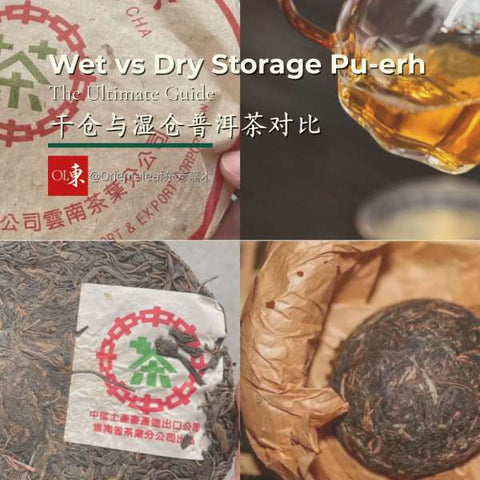
Visual Profile: Dark auburn compressed cake with tight, even compression throughout. The Tuo surface shows crisp definition with no visible blooming, mold spores, dust accumulation, or storage defects—clear hallmarks of professional dry storage and quality control.
Dry Aroma (before brewing): Earthy foundation with subtle aged-wood spice (sandalwood-like, not musty), layered with clean fermentation notes and whispered honey sweetness. No funk, no off-scents, no chemical persistence—just clean, composed tea aromatics.
Wet Leaf Appearance & Aroma (Post-Brew, Leaf Inspection)
Leaf Unfurling & Condition: Leaves unfurl evenly and substantially by steep 3–4, displaying warm reddish-brown coloring with occasional intact golden tips. No debris, no white powder, no fermentation funk or off-aromatics.
Wet Leaf Aroma (after first infusion): Opens further with hydration—honey fragrance emerges clearly, layered with gentle wood spice, subtle mineral earthiness reflecting Lincang's terroir, and glimpses of caramelized sugar notes building as the leaf releases its essence.
Tea Liquor Color (Brew Appearance)
Color Progression Across Infusions:
- Infusions 1–2: Bright amber-red with full translucency; jewel-like clarity with no cloudiness, sediment, or haze
- Infusions 3–5: Deeper amber-red, moving toward mahogany; maintains crystal-clear transparency
- Infusions 6–8: Rich mahogany-red with orange undertones; still transparent and luminous
Significance: This clarity and color depth demonstrate impeccable dry storage (absence of humidity-induced residue or fermentation byproducts). Compare this to wet-stored ripe Pu-erh, which often displays murky, dull amber tones—you'll immediately notice the difference in purity and light transmissibility.
Mouthfeel & Texture (Body Sensation)
Texture Profile: Silky, velvety, and naturally oily without slickness. Not thin or watery—each sip coats the mouth and throat with rounded, cushioned smoothness. The body is full without heaviness, creating that signature ripe Pu-erh comfort sensation.
Sweetness Development Arc:
- First Contact: Immediate natural sweetness on palate (honey-like, never cloying or sugary-artificial). Sweetness registers as clean and integrated, not spray-coated.
- Mid-Palate Bloom: As you hold the tea in your mouth, sweetness intensifies and evolves—honey transforms into caramel, then brown sugar complexity, building gentle depth.
- Return of Sweetness (回甘 Huí Gān): Approximately 3–5 seconds after swallowing, a wave of returning sweetness blooms in the throat and lingers for 20–40 seconds, inviting the next sip. This rewarding sensation deepens and prolongs across infusions 2–6.
Finish & Mouthfeel Duration: Clean, lingering, zero astringency. No harsh or rough edges—pure comfort. The mouth feels hydrated (not dry or puckered) after each infusion, indicating well-managed tannins during fermentation.
Core Flavor Notes (International Flavor Wheel Integration)
Primary Notes (most prominent, first 3–5 seconds):
- Caramel, honey, brown sugar—natural fermentation sweetness (not added sweeteners, not candy-like)
Secondary Notes (mid-palate complexity, 5–15 seconds):
- Roasted chestnuts, aged leather (soft, not harsh), sandalwood (gentle wood spice)
Tertiary Notes (background depth, entire session):
- Dark chocolate (cocoa undertones, subtle), mineral earthiness (stone/slate echo reflecting high-altitude Lincang terroir)
Mouthfeel Layer: Viscous, creamy sensation on tongue; almost silk-like in suspension; body is substantial yet never cloying
Empty Cup Aroma & Aftertaste (Cup Aromatics & Finish)
Empty Cup Character (aroma remaining in cup after drinking):
- Lingers with gentle sweet wood and caramel notes
- Faint honey fragrance detectable on cup rim
- Zero fermentation funk, zero off-scents—pure continuation of drinking aromatics
Aftertaste Duration & Character: Smooth, persistently sweet finish lasting 30–60 seconds. Complexity remains perceivable (honey transitions to gentle wood spice as aftertaste evolves). No bitterness, no astringency, no mouth drying—signals excellent fermentation control and clean storage.
Complexity Arc Across Full Session: While this is new-season ripe Pu-erh (not aged), the fermentation depth delivers surprising complexity. Each infusion reveals slightly different facets: honey-dominant in infusions 1–2, chocolate-mineral balance in infusions 3–5, subtle mineral-leather in infusions 6–8, gentle sweetness remaining in infusions 9–10. This layering prevents flavor fatigue even across 8–10 brews, distinguishing quality fermented tea from hastily processed versions.
Body Sensation & Chaqi (茶气)
Warming & Comfort Response: This tea generates a gentle, spreading warmth radiating through chest and belly over 15–20 minutes into the session. Not aggressive or overwhelming—ideal for morning clarity or evening comfort without overstimulation. Drinkers often report a sense of ease and gentle revitalization.
Chaqi Intensity Rating (茶气 Chá Qì): 3 out of 5
- Noticeable throughout a full 6–8 cup session
- Not aggressive enough to cause notable sweating or intensity-seeking
- Promotes gentle mental clarity and minor physical activation
- Suitable for daily drinkers seeking tea benefits without overwhelming effect
- Amplified if brewed at higher temperatures (100°C) or longer steeps; modulated at 95°C with shorter times
Hydration & Mouth Sensation: Despite the full mouthfeel and body, this tea hydrates rather than dries the mouth—a hallmark of quality fermentation where tannins have been properly managed (管理 Guǎn Lǐ) during production. Palate remains comfortable and receptive across all 10+ infusions.
Bodily Integration: Subtle sense of inner warmth and gentle grounding. Many regular drinkers report feeling centered, calm, and supported after a full session—not jittery or overstimulated. The chaqi is social and steady, not intrusive or demanding.