"Simplicity is never simple—it is the highest form of mastery."
Key Takeaways
-
White tea processing has few steps but demands great skill and patience.
-
Hand-picking in spring is crucial, with strict standards shaping tea quality.
-
Withering (24–72 hours) transforms grassy notes into floral, fruity aromas.
-
Drying methods—sun, charcoal, electric—create distinct flavor profiles.
-
Fuding’s terroir (cultivars, misty climate, rich soil) defines authentic white tea.
-
Simplicity in process leads to subtle, complex teas prized worldwide.
Most people think white tea processing is simple: just pluck, wither, and dry. This idea is both right and very wrong.
While there aren't many steps, the skill and patience needed to do them perfectly are huge.
True white tea processing is a gentle, patient craft. It's about bringing out flavor through careful withering and exact drying, not just keeping the leaf safe.
This guide will take you deep into the real white tea manufacturing process, straight from Fuding, China. We'll go from the important hand-picking stage to the careful drying methods that shape a tea's final character.
The Foundation of Flavor: Why the Plucking Process is Paramount
The quality of a great white tea is decided before the leaves ever reach the workshop. What makes it good or bad starts the moment it's picked from the bush.
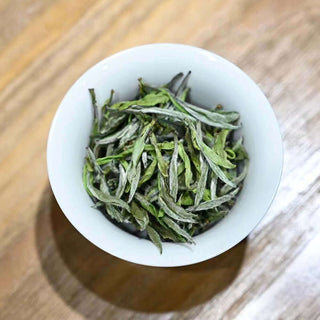
Tea farmers hand-pick delicate buds and surrounding young leaves—machines cannot be used to preserve the intact tips. These are used to make Silver Needle (single bud) or White Peony (one bud with two leaves).
The Golden Window: The Spring Harvest in Fuding
In Fuding, picking happens during a very short time in early spring. For just a few weeks, as it gets warmer, the tea bushes wake up from winter and grow the most tender, rich buds of the year.
This is a race against time. One day too early and the buds are too small; one day too late and they will have opened, losing the sweet taste that makes first-harvest white tea so special.
A Labor of Love: The Art of Hand-Picking
For top-grade white teas, hand-picking is a must. Machines would hurt the delicate buds and remove their silvery-white "fuzz," known as pekoe or hao.
Every spring, we see the amazing skill needed for this job. Pickers move through the fields quickly and carefully, their fingers choosing only the buds that meet strict standards.
They follow rules passed down for generations: no buds damaged by frost, no purple-colored buds, no long stems, and no buds that have already opened. This hard, tiring work directly adds to the value of premium white teas like Silver Needle.
This silvery down isn't just for show; it's a sign of a healthy, well-made tea and adds to the brew's thick feel and light smell. For more about this special feature, see our White Tea Fuzz Guide.
The picking standard directly decides the grade of the final tea:
-
Silver Needle (Bai Hao Yin Zhen): Only the single, unopened terminal bud is plucked. This is the highest grade, making a brew that is light, sweet, and thick.
-
White Peony (Bai Mudan): The bud and the first one or two young leaves are plucked together. This creates a fuller-bodied tea with more complexity, balancing the sweetness of the bud with the flowery, plant-like notes of the leaves.
Taste the Harvest
Curious about the difference between the delicate bud of Silver Needle and the fuller-bodied White Peony? Experience the whole range of Fuding's craft. Explore our White Tea Discovery Box and taste the results of this careful harvest yourself.
Once the fresh leaves arrive at the workshop, the tea master's real work begins. The next two steps—withering and drying—are where the magic happens. This is the heart of the white tea manufacturing process.
White tea leaves are gently spread for withering, then carefully dried to lock in flavor. This slow, controlled process transforms grassy notes into the tea’s delicate floral and fruity aromas.
This is the longest and most critical stage, where up to 70% of the leaf's moisture will slowly go away. This isn't just drying; it is a slow, controlled reaction that breaks down grassy smells and builds the flowery, fruity, and sweet notes of white tea.
The process needs constant watching.
-
Spreading (摊晾 - Tānliàng): As soon as the leaves arrive, they are spread in a thin, even layer on large bamboo trays. This ensures even airflow and keeps the leaves from piling up, which would create heat and cause stewing or uncontrolled fermentation.
-
Controlling the Environment: The tea master becomes a guardian of the leaves. They must carefully manage temperature, humidity, and airflow. This can be done outdoors in the shade on a clear, breezy day, or in a special indoor withering room with fans and air flow a tea master can control.
-
The Transformation: Over 24 to 72 hours, the leaves change. They lose their bright green shine, becoming soft and bendable. The first grassy smell changes to a light, lovely aroma of spring flowers and hay. The master knows the withering is done not by time, but by the look, smell, and feel of the leaves.
The goal of drying is to stop all leaf activity and reduce the final moisture to a stable level of around 4-5%. This locks in the flavors and smells developed during withering and makes the tea safe for storage and aging.
This simple-looking step is another point where the tea master's choices greatly shape the final product. There are several methods, each giving a unique character to the tea.
This is where we explore the finishing touches that give a white tea its own personality. There is no single "best" method; instead, each technique offers a different style, appealing to different tastes and creating unique flavor profiles.
This is the oldest and most traditional method. The withered leaves are spread out under the gentle, late-afternoon sun. This process depends entirely on perfect weather—low humidity, a gentle breeze, and no harsh, direct sunlight.
When done right, it produces a tea with a flavor often called "the taste of sunshine" (阳光的味道). The profile is very bright, fresh, and lively, with a clean finish and amazing potential for aging.
Because perfect sun-drying weather isn't always available during the rainy spring season, tea masters developed roasting techniques to ensure consistency and add new layers of flavor.
Charcoal Roasting (炭焙 - Tànbèi): This is a slow, careful art. The tea is placed in bamboo baskets over beds of charcoal embers that have been covered in a thick layer of ash. The heat is very gentle and indirect.
This process doesn't "cook" the tea but slowly bakes it, adding a subtle warmth, a fuller body, and a comforting, sweet roasted aroma. From our experience, charcoal-roasted white teas develop a wonderful honey-like sweetness and a smoother texture as they age.
Electric Roasting (电烤 - Diànkǎo): This is the most modern and scientifically precise method. Large, special ovens use hot air to dry the tea at a stable, controlled temperature.
This clean method produces a tea with a very pure aroma and flavor. It is excellent for highlighting the natural flowery and fruity qualities of the leaf itself, without adding any outside notes from the drying process.
We can't talk about the white tea manufacturing process without talking about its home. Fuding, a coastal county in China's Fujian province, is the true center of authentic white tea. Here, the process and the place cannot be separated.
The region's importance is so great that it's recognized as a Globally Important Agricultural Heritage System, showing
Fuding's unique tea cultivation system that has been perfected over hundreds of years.
Several key factors of the Fuding terroir add to its status:
-
Unique Cultivars: Fuding is home to the original white tea bush varieties, mainly
Fuding Da Bai (Fuding Big White) and Da Hao (Big Fuzz). These cultivars naturally produce large, fleshy buds covered in dense, silver-white hairs.
-
Climate: The region has a misty, humid, sea climate. The persistent fog and moderate temperatures are perfect for the slow, steady growth of tea buds, letting them build up a high concentration of amino acids, which add to the tea's sweetness and umami.
-
Soil: The mountainous land has rich, organic, and slightly acidic soil that gives the tea bushes all the essential nutrients they need to thrive, directly creating a more complex flavor in the cup.
For a complete overview of the region and its legendary teas, don't miss our comprehensive
Fuding White Tea Guide.

Chinese white tea processing is the ultimate example of "less is more." It is not a "minimal" process but a highly skilled craft of elegant simplicity.
Every single step has a purpose. The careful hand-picking of the perfect spring bud, the long and patient withering that changes grass into flowers, and the final, precise drying that locks in the tea's soul—all are guided by the tea master's experienced hand.
The result is a tea of deep subtlety and nuance. It invites you to slow down, to pay attention, and to appreciate the quiet complexity that can only happen when human craft works in perfect harmony with nature.
Ready to experience the art of Chinese white tea for yourself? From the first delicate buds of spring to the complex notes of aged infusions, our curated collection is your gateway to the heart of Fuding.
FAQs
-
What are the main steps in white tea processing?
White tea processing involves two main steps: withering (where up to 70% of moisture is removed while flavor develops) and drying (which locks in flavors and brings moisture to 4-5% for storage).
-
Why is hand-picking important in white tea processing?
Hand-picking is essential for premium white teas as it preserves the delicate buds and silvery white fuzz (pekoe), which contributes to the tea's texture and aroma. Machines would damage these qualities.
-
How does the drying method affect white tea flavor during processing?
Different drying methods create unique flavor profiles: sun-drying produces bright, fresh tea with "sunshine taste"; charcoal roasting adds warmth and honey-like sweetness; electric roasting creates pure, floral notes.
-
What makes Fuding, China special for white tea processing?
Fuding is the authentic home of white tea processing, featuring unique cultivars (Fuding Da Bai), ideal misty climate, and rich mountainous soil that together create the distinctive character prized by connoisseurs.
-
How long does the withering process take in white tea processing?
Withering, the most critical stage in white tea processing, takes 24-72 hours as the leaves transform, developing floral and fruity notes while losing their grassy smell under carefully controlled conditions.
Every year, thousands of tea lovers visit our tea house to enjoy a peaceful cup of authentic white tea. Now, you can bring that same experience home from Orientaleaf.com.
Brew Pro, Buy Smart
≡ Quick Navigation +/−