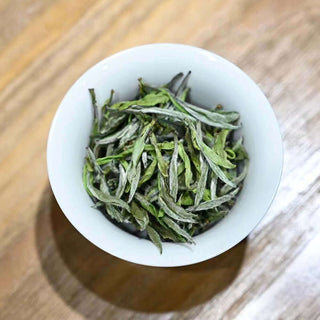
أفضل الأشياء في الحياة لا تتعجل أبدًا. الشاي الأخضر لطالما عرف هذه الحقيقة. توقف عن مقاومة الساعة، ودع الماء البارد يكشف عن النكهة التي كان الحرارة دائمًا يخفيها.
نصائح مهمة
- التخمير البارد يقضي تمامًا على المرارة من خلال منع استخراج المكونات القاسية التانينات من الأوراق.
- الماء البارد يستخلص بشكل انتقائي إل-ثيانين, الحمض الأميني المسؤول عن حلاوة الشاي الأخضر الطبيعية وعمقه الطيب والناعم.
- الشاي الأخضر المثلج يحتوي على حوالي نصف إلى ثلثي كمية الكافيين من مشروب ساخن، يوفر طاقة هادئة ومستقرة.
- شاي الأوراق الكاملة — خاصة هوانغشان ماوفنغ، لونجينغ، وأنجي باي تشا — تنتج أفضل نتائج التخمير البارد.
- النسبة العالمية للتخمير البارد هي 1:100 (شاي إلى ماء)، يُنقع في الثلاجة لمدة 6 إلى 8 ساعات.
- هوانغشان ماوفينغ يصل إلى ذروته بنسبة 1:120 من التركيز لمدة 7 ساعات بالضبط، كاشفًا روائح الأوركيد ولمسة حريرية هويغان نهاية.
- مبدع نقوش النكهات (حمضيات، خوخ، توت) يجب أن تُضاف فقط في الساعتين الأخيرتين لحماية الطابع الطبيعي للشاي.
- يبقى الشراب البارد العادي طازجًا لمدة 3–4 أيام في الثلاجة؛ يجب استهلاك النسخ المنكهة بالفواكه خلال خلال 24 ساعة.

تحضير كوب الشاي الأخضر المثالي قد يبدو مهمة صعبة. دقيقة زيادة في الوقت أو درجة حرارة زائدة تفسد كل شيء. تترك شرابًا مرًا يخفي النكهة الحقيقية للشاي.
مشكلة يواجهها عشاق الشاي الأخضر في كل مكان. لكن هناك طريقة أفضل بسيطة ومتفوقة.
الحل هو التخمير البارد. هذه الطريقة التحولية تزيل المرارة تمامًا، وتفتح النعومة, الحلاوة الطبيعية, والعطور المعقدة المخفية في الأوراق لكل كوب مثالي في كل مرة.
هذه دليلك الكامل للتخمير البارد للشاي الأخضر. سنغطي العلم، ونساعدك في اختيار أفضل أنواع الشاي، ونقدم لك خطوات بسيطة، ونوضح كيف تتقن تحضير مشروب أسطوري.
علم النعومة: لماذا يصنع التخمير البارد سحرًا على الشاي الأخضر
لإتقان التخمير البارد حقًا، تحتاج إلى فهم العلم وراء نجاحه. كل شيء يعود إلى درجة حرارة الماء. الماء الساخن والبارد يتصرفان بشكل مختلف تمامًا، حيث يسحب كل منهما مجموعات فريدة من المركبات من أوراق الشاي.
الماء الساخن مقابل الماء البارد: حكاية الاستخلاصين
الماء الساخن عدواني. يعمل بسرعة لاستخراج كل شيء من الورقة، بما في ذلك الجيد والسيء. ويشمل ذلك مركبات تسمى التانينات. هذه التانينات هي التي تجعل الشاي المفرط في التخمير طعمه مرًا وجافًا.
الماء البارد أكثر لطفًا. يعمل ببطء على مدى عدة ساعات، ويستخرج بعناية فقط النكهات الأكثر حساسية. يفضل هذا العملية الثيانين. الثيانين هو حمض أميني يمنح الشاي الأخضر طعمه اللذيذ والمُحلى الرائع.
الأهم من ذلك، أن الماء البارد يترك التانينات المرّة خلفه. المشروب النهائي ناعم جدًا وطبيعيًا حلو، مع إبراز ملاحظات الشاي الزهرية الجميلة دون أي مرارة.
بينما الماء الساخن يستخلص بعض الأشياء بشكل أسرع، دراسات حول مضادات الأكسدة في الشاي تأكيد أن القهوة المثلجة الطويلة لا تزال توفر الكثير من مضادات الأكسدة الصحية. ستحصل على مشروب ذو طعم أفضل وهو مفيد أيضًا لصحتك.
الكافيين في القهوة المثلجة: ماذا تتوقع
يعتقد الكثيرون أن الشاي الأخضر المثلج لا يحتوي على كافيين. هذا غير صحيح. يذوب الكافيين في الماء، لذلك سيتم استخراجه أثناء التخمير البارد، لكن كمية الكافيين التي تخرج تعتمد على الوقت ودرجة الحرارة.
نظرًا لأن عملية التخمير البارد بطيئة ولطيفة جدًا، فهي عادةً تحتوي على كمية أقل من الكافيين مقارنة بالتخمير الساخن. يمكنك توقع حوالي نصف إلى ثلثي الكمية. يمنحك دفعة طاقة خفيفة بدون رجفان.
إليك مقارنة واضحة بين المنتجات النهائية:
- الشاي الأخضر بالتخمير الساخن: غني بالتانينات ومعرض للمرارة، مع دفعة كافيين أولية أعلى ونكهة جريئة.
- شاي أخضر بارد مخمر: قليل في التانين، مما يجعله ناعمًا جدًا وحلوًا، مع انتعاش أقل من الكافيين وطعم أكثر تعقيدًا.
- شاي مثلج (مبرد بسرعة): هو مجرد شاي ساخن يبرد بسرعة على الثلج، لذلك يحتفظ بكل مرارة التحضير الساخن المحتملة.
اختيار بطلك: أفضل أنواع الشاي الأخضر للتحضير البارد
يمكنك تحضير تقريبًا أي نوع من الشاي بشكل بارد، لكن الطريقة تعمل بشكل أفضل مع أنواع معينة. تعزز العملية اللطيفة الشاي الذي يكون طبيعيًا حلوًا وعطريًا.
إذن، ما هو أفضل شاي أخضر للتحضير البارداختر الشاي بنكهات طازجة وزهرية أو جوزية. الماء البارد يبرز هذه النكهات بشكل جميل. نوصي بتجنب الشاي المدخن أو المحمص مثل هوجيشا، لأن نكهاته القوية قد تبدو مسطحة عند التحضير بالماء البارد.
أفضل أنواع الشاي للتخمير البارد
لأفضل تجربة تخمير بارد، نوصي بأشهر أنواع الشاي الأخضر في الصين. نكهاتها الرقيقة مناسبة تمامًا لهذه الطريقة اللطيفة. إليك أفضل اختياراتنا:
| نوع الشاي | ملف نكهة (مخمر بارد) | لماذا يعمل بشكل جيد | مثالي لـ |
|---|---|---|---|
| هوانغشان ماوفينغ (黄山毛峰) | نغمات زهرية تشبه الأوركيد، فستق خفيف، ناعم جدًا وحلو. | رائحته الرقيقة محفوظة بشكل مثالي، بدون مرارة تخفي تعقيده. | القهوة المثلجة الأنيقة والكاملة. |
| لونجينغ (龙井) | فول الصويا المحمص، ناعم، زبداني، استثنائي السلاسة. | حلاوتها الطبيعية وطابعها الجوزي يعززان بواسطة البرودة. | تجربة قهوة مثلجة مريحة وغنية. |
| أنجي باي تشا (安吉白茶) | غنية بـ L-theanine، مع نكهات من الخيزران الطازج والأومامي الحلو. | تُبرز الطريقة الباردة حلاوة الأحماض الأمينية المميزة فيها. | مشروب فريد من نوعه ذو نكهة مالحة ومنعشة. |
| شاي الياسمين الأخضر (茉莉花茶) | رائحة الياسمين الطازجة والمركزة دون حدة. | الماء البارد يبرز الرائحة الزهرية النقية، وليس مرارة الشاي الأساسي. | مذاق عطرى، فواح، ومنعش للعطش. |
أين تجد أفضل أوراق الشاي لطرق التخمير الخاصة بك
المكونات الجيدة تصنع مشروبًا جيدًا. يجب استخدام الشاي بأوراق كاملة. الأوراق المكسورة في أكياس الشاي تطلق نكهتها بسرعة كبيرة، مما قد يسبب مشروبًا غائمًا ومرًا حتى مع الماء البارد.
الأوراق الكاملة تتفتح ببطء، وتطلق نكهتها بأناقة ووضوح.
لبدء تجربة الشاي المثالية للتخمير البارد، ندعوك لاستكشاف مجموعة شاي الصيف بالتخمير البارد الصيني. كل نوع من الشاي يضمن تجربة ناعمة وعطرة.
صندوق اكتشاف القهوة المثلجة الصيفي
تتوفر الآن مجموعتنا المختارة من 8 أنواع من الشاي بسعر موسمي خاص.
مصممة للاستخلاص بدرجة حرارة منخفضة، تغطي هذه المجموعة أعلى أنواع الشاي شاي أخضر, شاي أبيض, ياسمين، و شاي أولونغ الصخري.
لا ضجيج سوق، ولا روائح مخزن—فقط نقاء خالص من المختبر.
طريقة الماستر: كيف تصنع شاي أخضر بارد مثالي
الآن لديك الشاي المناسب. حان وقت التخمير. سنبدأ بوصفة بسيطة تعمل مع أي نوع من الشاي الأخضر، ثم ننتقل إلى درسنا الرئيسي حول كيفية التخمير البارد لهوانغشان ماوفينغ لنتيجة حقًا مثالية.
الوصفة العالمية: دليل من أربع خطوات لا يخيب
هذه الوصفة السهلة ستمنحك شايًا باردًا لذيذًا ومنعشًا في كل مرة. إنها المكان المثالي للبدء.
1. قياس الشاي الخاص بك
استخدم نسبة بسيطة من الشاي إلى الماء وهي 1:100 للبدء، يعني استخدام جرام واحد من الشاي لكل 100 مل من الماء. لقياس سهل، هذا حوالي ملعقة ونصف صغيرة من الشاي لكل 8 أونصات (240 مل) من الماء.
أضف ماء بارد ومصفى
ضع أوراق الشاي في جرة زجاجية نظيفة أو زجاجة. اسكب فوقها ماء بارد ومصفى. الماء المصفى مهم لأن الكلور في ماء الصنبور يمكن أن يفسد نكهة الشاي الحساسة.
انقع في الثلاجة
غطِّ الحاوية بإحكام حتى لا يمتص الشاي روائح الثلاجة. اتركه ينقع هناك لمدة 6 إلى 8 ساعات. هذه هي الوقت المثالي لاستخراج نكهة رائعة بدون مرارة.
صفِّ وقدم
صار شايك المثلج جاهزًا الآن. قم بتصفية الشاي لإزالة الأوراق. قدّمه على الفور أو اسكبه فوق الثلج.
دروس تعليمية: كيف تصنع شاي هوانغشان ماوفينغ المثلج
الآن يمكننا تطبيق هذه المعرفة على أحد أشهر أنواع الشاي الأخضر في الصين، هوانغشان ماوفينغ. غالبًا ما تتلف نكهاته الزهرية الرقيقة بالماء الساخن، لكنها تتألق حقًا عند التحضير بالمثلج، كاشفة عن نكهة قد لم تتذوقها من قبل.
النسبة المحددة
بالنسبة لهوانغشان ماوفينغ، نقوم بضبط النسبة قليلاً إلى 1:120. استخدم 5 غرامات من الشاي مقابل 600 مل من الماء. هذا يمنح الأوراق مساحة أكبر لإطلاق عطرها الأنيق دون أن يصبح النكهة قوية جدًا.
الوقت المثالي للتخمير
هذا الشاي يكون في أفضل حالاته بعد تمامًا علامة السبع ساعات. أقل من ذلك، قد تفوتك الرائحة الزهرية الكاملة. وأطول من ذلك، قد تتداخل النغمات الرقيقة.
تجربة الحواس
هنا يتحول التخمير إلى فن. تحضير مشروب هوانغشان ماوفينج البارد بشكل مثالي يثير جميع حواسك.
- المظهر: السائل لونه أخضر باهت ولامع، مثل اليشم. صفاؤه المثالي هو علامة على تخمير نظيف.
- رائحة: ستلاحظ عطرًا دقيقًا قبل أن تتذوق الرشفه. رائحته أزهار الأوركيد الطازجة والجوز البري الحلو.
- الطعم والإحساس بالفم: الطعم الأول ناعم جدًا، بدون مرارة على الإطلاق. النكهة نظيفة ومعقدة، مع طعم حلو متبقي يُعرف بـ هويغان. يشعر بالنعومة والحرير في فمك.
يتفق خبراء الشاي على هذه الطريقة. حيث يشير العديد من خبراء الشاي إلى, يجعل الطابع اللطيف لشاي هوانغشان ماوفينغ منه خيارًا رائعًا لتقنيات التخمير الناعمة مثل التخمير البارد.
هل أنت مستعد لتجربته؟ في صندوق اكتشاف الشاي الصيني بالتخمير البارد الصيفي هو نفس الشاي الذي نستخدمه في هذه الوصفة. إنها أفضل طريقة لتذوق الفرق الذي تصنعه الجودة.
ارتقِ بمشروبك: نصائح احترافية، استكشاف الأخطاء وإصلاحها، ونكهات مميزة
بعد إتقان الوصفة الأساسية، يمكنك البدء في تجربة طريقتك الخاصة. إليك بعض النصائح لحل المشكلات الشائعة وإضافة لمسة إبداعية.
استكشاف أخطاء وتحسين مشروبك البارد المخمر
قد ترغب أيضًا في تعديل الوصفة لتتناسب مع ذوقك.
-
المشكلة: شايك ضعيف جدًا.
- الحل: قد يكون النسبة غير صحيحة أو لم تنقعه لفترة كافية. حاول زيادة نسبة الشاي إلى 1:80 أولاً. إذا لم ينجح ذلك، اتركه ينقع لمدة ساعتين إضافيتين، حتى حد أقصى 10 ساعات.
-
المشكلة: لا يزال شايك مرًا قليلاً.
- الحل: هذا يعني غالبًا أنك تركت الشاي منقوعًا لفترة طويلة جدًا. قلل وقت النقع إلى ست ساعات. إذا كان لا يزال مرًا، فقد يكون الشاي نفسه منخفض الجودة.
-
المشكلة: يبدو شايِّي غائمًا.
- الحل: هذه في الواقع علامة جيدة! الغمامة تأتي من شعيرات صغيرة وناعمة (التريكومات) على براعم الشاي الصغيرة ولا تؤثر على الطعم. إذا كنت تفضل مظهرًا أكثر وضوحًا، قم بتصفيته مرة أخرى من خلال مرشح قهوة.
نقوش نكهات إبداعية (اختياري)
بينما يكون الشاي الأخضر الرائع مثاليًا بمفرده، يمكن أن يكون إضافة نكهات أخرى طريقة ممتعة لصنع مشروب صيفي مميز. فقط تأكد من إضافتها فقط خلال الساعتين الأخيرتين من النقع. إذا أضفتها مبكرًا جدًا، ستطغى على النكهة الطبيعية للشاي.
- حمضيات وأعشاب: أضف بعض شرائح الليمون وفروع النعناع الطازجة.
- فاكهة الحديقة: شرائح الخوخ أو المشمش الطازج تضيف حلاوة رائعة.
- انفجار التوت: حفنة من التوت الأحمر الطازج تعطي الشاي لونًا جميلًا ونكهة حامضة.
التخزين والسلامة
تخزين القهوة المثلجة بشكل صحيح يحافظ على نضارتها وسلامتها.
يجب أن تحتفظ بالقهوة المثلجة العادية في حاوية محكمة الإغلاق في الثلاجة وتشربها خلال 3-4 أيام. ستبدأ النكهة في التلاشي بعد ذلك.
بالنسبة للشاي مع الفاكهة المضافة, يوصي خبراء الشاي المعتمدون بشربها خلال 24 ساعة. المكونات الطازجة يمكن أن تتسبب في تلف الشاي بشكل أسرع بكثير.
رحلتك نحو مشروب أفضل تبدأ الآن
أنت الآن خبير في القهوة المثلجة الباردة. تعرف علم طعمها الناعم، وكيفية اختيار أفضل الأوراق، ولديك الوصفات اللازمة لصنع الكأس المثالي في كل مرة.
وداعًا للشاي الأخضر المر. عالم جديد من النكهة الناعمة والحلوة والعطرية في انتظارك. يساعدك التخمير البارد على تقدير الفن الحقيقي للشاي.
لا تكتفِ بالقراءة عنها. تذوق الفرق بنفسك. ابدأ رحلتك مع صندوق اكتشاف الشاي الصيني بالتخمير البارد الصيفي, الذي يتضمن أفضل نوع هوانغشان ماوفينغ لهذه الطريقة تحديدًا. مشروب الصيف المثالي لديك هنا.
صندوق اكتشاف القهوة المثلجة الصيفي
تتوفر الآن مجموعتنا المختارة من 8 أنواع من الشاي بسعر موسمي خاص.
مصممة للاستخلاص بدرجة حرارة منخفضة، تغطي هذه المجموعة أعلى أنواع الشاي شاي أخضر, شاي أبيض, ياسمين، و شاي أولونغ الصخري.
لا ضجيج سوق، ولا روائح مخزن—فقط نقاء خالص من المختبر.
الأسئلة الشائعة
س 1: ما هو الشاي الأخضر المخمر باردًا وكيف يختلف عن الشاي المثلج؟
يُصنع الشاي الأخضر المخمر باردًا عن طريق نقع أوراق الشاي في ماء بارد لمدة 6–10 ساعات، بينما الشاي المثلج هو ببساطة شاي مخمر ساخن يُصب فوق الثلج. طريقة دليل الشاي الأخضر المخمر باردًا تزيل المرارة بتجنب الحرارة، مما ينتج عنه مشروب أكثر نعومة وأحلى طبيعيًا.
س 2: كم من الوقت يجب أن أنقع الشاي الأخضر عند التخمير البارد؟
وفقًا لهذا الدليل على الشاي الأخضر المثلج، فإن وقت النقع المثالي هو من 6 إلى 8 ساعات في الثلاجة. بالنسبة للشاي الرقيق مثل هوانغشان ماوفينغ، فإن 7 ساعات هي الوقت المثالي لأفضل عبير زهرى ونكهة ناعمة.
س3: ما هو أفضل نوع من الشاي الأخضر للاستخدام في التحضير البارد؟
أفضل أنواع الشاي للتحضير البارد هي الأنواع ذات الطعم الحلو والعطر الطبيعي. يوصي هذا الدليل على الشاي الأخضر المثلج بهوانغشان ماوفينغ، لونجينغ، أنجي باي تشا، وشاي الياسمين الأخضر لنكهاتها الرقيقة التي تتألق بدون حرارة.
س4: هل لا يزال الشاي الأخضر المثلج يحتوي على الكافيين؟
نعم، الشاي الأخضر المثلج يحتوي على الكافيين. ومع ذلك، يوضح هذا الدليل أن عملية الاستخلاص البطيئة واللطيفة عادةً ما تنتج حوالي نصف إلى ثلثي كمية الكافيين الموجودة في الشاي الساخن، مما يوفر دفعة خفيفة من الطاقة بدون توتر.
س5: كم من الوقت يمكنني تخزين الشاي الأخضر المثلج في الثلاجة؟
يبقى الشاي الأخضر المثلج العادي طازجًا لمدة 3 إلى 4 أيام في حاوية محكمة الإغلاق في الثلاجة. وكما هو مذكور في هذا الدليل على الشاي الأخضر المثلج، يجب استهلاك النسخ التي تحتوي على فواكه طازجة خلال 24 ساعة لمنع التلف.
كل عام، يزور الآلاف من عشاق الشاي بيت الشاي الخاص بنا للاستمتاع بكوب هادئ من الشاي الأصيل. الآن، يمكنك جلب نفس التجربة إلى المنزل من موقع أورينتاليف.كوم.
برو التخمير، شراء بذكاء
≡ التنقل السريع ±
↑ انقر على العنوان لطي المحتوى
1. النقاط الرئيسية ثانيًا: علم النعومة: لماذا التخمير البارد ... ثالثًا: اختيار بطلك: أفضل خيارات الشاي الأخضر ... رابعًا: طريقة الماستر: كيف تصنع مثاليًا ... خامسًا: دورة تدريبية: كيف تخمر هوانغشان ببرودة ... سادسًا: ارتقِ بمشروبك: نصائح محترفين، استكشاف الأخطاء وإصلاحها ... سابعًا: رحلتك نحو مشروب أفضل تبدأ من هنا ٨. الأسئلة الشائعة تسعة: برو برو، اشترِ بذكاء