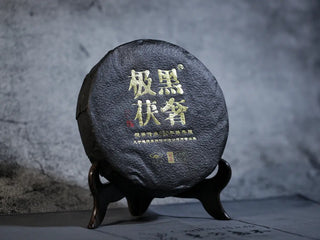
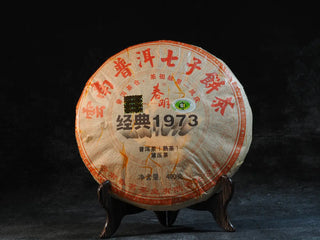
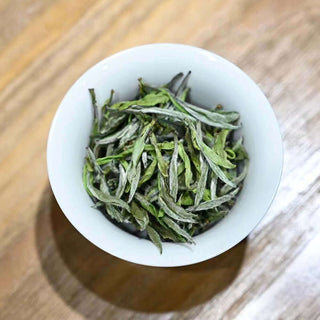
"Когда наступает жара, мы тянемся за льдом. Но что, если этот инстинкт работает против нас? Иногда самый мудрый способ пережить лето — это не холод, а тепло."
Основные выводы
- Шу (готовый) пуэр и другие хэйча (темные чаи) являются исключительными летними напитками, вопреки распространенным сезонным стереотипам.
- Шен (сырой) пуэр обладает охлаждающей, но агрессивной природой; мягкий согревающий характер шу пуэра делает его лучшим выбором для лета.
- Хэйча характеризуется постферментацией, что принципиально отличает его от окисленного черного чая (хунча) и раскрывает уникальные полезные свойства.
- Современная "болезнь от кондиционеров" создает внутренний холод и сырость; согревающая природа темного чая помогает восстановить естественный баланс организма.
- Процесс ферментации «Во Дуй» предварительно расщепляет грубые соединения, делая хэйча исключительно мягким и активно поддерживающим здоровье пищеварительной системы.
- Употребление горячего чая вызывает потоотделение и охлаждение за счет испарения— научно доказанный механизм, который превосходит холодные напитки в вопросе реальной терморегуляции тела.
- Три столпа летнего хэйча это: шу пуэр (ежедневное пищеварение), Лю Бао (избавление от сырости) и Фу Чжуань (кирпичный чай) (поддержка микробиома).
- Пейте хэйча через 30–60 минут после еды, заваривайте кипятком (100°C) и употребляйте в комфортно теплом виде для достижения максимальной пользы.

Заблуждение о ледяных напитках
Большинство любителей чая откладывают свои темные чаи, как только наступает лето. Предположение интуитивно понятно: тяжелые ферментированные чаи предназначены для прохладных месяцев.
Однако факты указывают на обратное. Современное лето, характеризующееся кондиционируемыми помещениями, ледяными напитками и сырой пищей, создает специфический набор внутренних дисбалансов, которые темные ферментированные чаи, или хэйча, способны уникальным образом устранить.
Это руководство объясняет, почему шу пуэр и другие хэйча могут быть самым разумным выбором напитка в летний сезон. При этом мы ответим на важный вопрос: полезен ли пуэр летом? Более того, мы раскроем, почему эти уникальные ферментированные чаи — лучшая инвестиция в здоровье вашего организма в самые жаркие месяцы года.
Шен против шу пуэра: устранение критического заблуждения
Прежде чем мы продолжим, необходимо прояснить распространенное недопонимание. Термин "пуэр" часто используется для двух совершенно разных чаев. Понимание разницы между употреблением шу пуэра и шена (сырого пуэра) летом является ключом.
Шен (сырой) пуэр изготавливается из чайных листьев, прогретых на огне для остановки окисления, а затем высушенных на солнце и спрессованных. Он естественным образом дозревает на протяжении многих лет. В молодом возрасте он больше напоминает крепкий зеленый чай — он мощный, яркий и часто обладает резкими травяными или цветочными нотами. В традиционной китайской медицине (ТКМ) молодой шен пуэр считается «охлаждающим» по своей природе. Кроме того, высокое содержание полифенолов и выраженная терпкость могут раздражать слизистую оболочку желудка, особенно натощак или у чувствительных людей.
Шу (готовый) пуэр проходит особый процесс ускоренной ферментации, называемый «Во Дуй» (渥堆), или «влажное скирдование». В ходе этого контролируемого процесса, длящегося несколько недель, микробы полностью преобразуют листья. В результате получается темный, гладкий и землистый чай, который исключительно мягко воздействует на организм. Его природа по ТКМ — «согревающая» и мягкая, что делает его гораздо более комфортным для вашей пищеварительной системы.
В этом руководстве мы сосредоточимся на шу пуэре и других подобных темных чаях. Их мягкая ферментированная природа — именно то, что делает их столь полезными летом. Эту тему мы подробно раскрываем в нашем руководстве о шен и шу пуэре.
Мягкость шу пуэра — ключевая причина его пользы для здоровья кишечника, тема, которую мы рассмотрим в одной из следующих публикаций.

Чтобы сделать это различие кристально ясным, приведем простое сравнение:
Новичок в пуэрах и не знаете, чего ожидать? Прежде чем заваривать, прочтите наш гид о том, каким на вкус должен быть настоящий пуэр — это может спасти вас от неудачного первого чаепития.
| Характеристика | Шен (сырой) пуэр (молодой) | Шу (готовый) пуэр |
|---|---|---|
| Обработка | Обжарка, сушка на солнце, медленное естественное старение | Во Дуй (влажное скирдование), ускоренная ферментация |
| Характер | Терпкий, яркий, травянистый/цветочный | Гладкий, землистый, мягкий, темный |
| Природа по ТКМ | Охлаждающая, может раздражать желудок | Согревающая, бережная к желудку |
| Пригодность летом | Употреблять с осторожностью (на пустой желудок или при чувствительности) | Отличный выбор для лета |
 |
МЯГКИЙ И НЕЖНЫЙ Шен пуэр «Три легендарных листа» | Купаж крупнолистового сырья из Юньнани Редкий шен пуэр, купаж трех легендарных сортов Юньнани. Сухое хранение с 2017 года. Богатый «хуйган» (сладкое послевкусие), цветочный аромат и исключительный потенциал для старения. Ограниченное количество! |
За пределами пуэра: добро пожаловать в мир хэйча (темного чая)

Теперь, когда вы разобрались с шу пуэром, пора расширить горизонты. Шу пуэр — самый известный представитель более широкой категории чаев: Хэйча (黑茶), или «темный чай».
Хэйча — один из шести основных видов китайского чая.
Его определяющей особенностью является постферментация: микробиологический процесс, в ходе которого полезные бактерии и грибки активно преобразуют чай в течение недель или месяцев. Это фундаментально отличается от черного чая (хунча), который проходит ферментативное окисление — химическую реакцию с участием кислорода, а не живых микроорганизмов. Это различие важно, так как именно микробная активность в хэйча создает его уникальные соединения и полезные для пищеварения свойства.
Этот уникальный процесс является источником многих преимуществ хэйча в борьбе с летней жарой.
Шу пуэр из Юньнани — самый известный, но мир хэйча огромен и разнообразен. Для летнего чаепития мы считаем три типа основными столпами этой категории. Каждый обладает уникальными достоинствами.
- Шу (готовый) пуэр: Самый популярный темный чай, известный своим землистым вкусом и пользой для пищеварения.
- Лю Бао (六堡茶): Классический темный чай из Гуанси, традиционно используемый рабочими в жарком климате для вывода из организма сырости.
- Фу Чжуань (кирпичный чай) (茯砖茶): Уникальный темный чай из Хунани, знаменитый своими «Золотыми цветами» (Eurotium cristatum), полезным грибком, который обеспечивает глубокую ферментацию.
Понимание этой системы помогает увидеть общую картину. Вы пьете не просто «пуэр», вы изучаете всю категорию хэйча. Каждый из этих чаев обладает уникальными свойствами, такими как те, что описаны в материалах о пользе Лю Бао и удивительных целебных свойствах чая Фу Чжуань.
 |
НА КАЖДЫЙ ДЕНЬ Шу пуэр Spring Ming 2008 (Доступный повседневный чай) – Памятный выпуск 2008 года Попробуйте шу пуэр Spring Ming 2008 из Мэнхая. Доступный, классический повседневный пуэр с богатыми нотами шоколада, дерева и сладким послевкусием. |
Главный аргумент: почему темный чай идеально подходит для современного лета
Итак, почему мы рекомендуем пить пуэр в жаркую погоду? Ответ кроется в нашем современном летнем образе жизни. Речь не о древних традициях, а о том, как хорошо себя чувствовать, постоянно находясь под кондиционерами, употребляя кофе со льдом и летние салаты. Темный чай — это не просто напиток, это инструмент для поддержания баланса в вашем организме.
Аргумент 1: Борьба с «синдромом кондиционера» и внутренним холодом

Современное лето — это череда температурных перепадов. Мы переходим из сильной жары на улице в ледяные помещения и автомобили с кондиционерами. К этому внутреннему ознобу мы добавляем холодные напитки, мороженое и большое количество сырых продуктов, таких как салаты.
В традиционной китайской медицине такой образ жизни может привести к накоплению «холода» и «сырости» внутри организма. Вы можете узнать об этом больше, прочитав о концепции внутренней сырости в традиционной китайской медицине (ТКМ). Этот дисбаланс не проявляется как обычная простуда. Скорее, он выражается в наборе едва заметных симптомов, которые отнимают у вас энергию.
Распространенные симптомы включают:
- Ощущение тяжести или вялости, особенно в конечностях.
- Вздутие живота, плохое пищеварение и отсутствие аппетита.
- «Туман» в голове, апатия и трудности с концентрацией внимания.
И здесь на помощь приходит хэйча (темный чай). Мягкая, «согревающая» природа темных чаев, таких как шу пуэр и Лю Бао, помогает сбалансировать этот внутренний холод. Он поддерживает пищеварение и улучшает кровообращение, помогая организму избавиться от лишней сырости без лишней агрессии.
В отличие от резкого стимулирующего воздействия кофе или зеленого чая — которые повышают уровень кортизола и могут раздражать и без того перегруженную пищеварительную систему, — шу пуэр обеспечивает мягкое согревающее действие при низком содержании кофеина и танинов. Это соответствует его профилю постферментированного чая, в котором стимулирующие соединения превращаются в более мягкие метаболиты в процессе «Во Дуй» (влажного скирдования).
Это особенно важно после нескольких часов, проведенных в холодном помещении. Это ощущается не как приток жара, а как восстановление естественного тепла вашего тела. Вы можете узнать больше о свойствах обоих типов чая в нашем полном Руководстве по полезным свойствам пуэра.
Аргумент 2: Деликатен для желудка, эффективен для пищеварения

Летний рацион бывает экстремальным. Мы едим все: от легких салатов до тяжелого барбекю. Это может быть испытанием для нашей пищеварительной системы. Вам точно не нужен напиток, который усугубит ситуацию.
Ферментация, в результате которой получается хэйча, — это своего рода «пре-пищеварение». Во время процесса «Во Дуй» микроорганизмы расщепляют грубые соединения в чайных листьях. Это преобразует элементы с резким вкусом в более мелкие молекулы, которые легче усваиваются организмом.
Процесс ферментации «Во Дуй» превращает катехины и другие полифенолы в более мелкие окисленные соединения, такие как теарубигины и производные галловой кислоты. Это преобразование значительно снижает терпкость и кислотность чая — именно поэтому шу пуэр ощущается мягким, в то время как молодой шен пуэр кажется резким.
Благодаря этому хэйча невероятно деликатен для желудка. Это полная противоположность чаям, которые могут вызвать дискомфорт — эффект, который многие замечают летом особенно остро.
Темные чаи не просто ощущаются мягкими — они активно помогают пищеварению. Это идеальный напиток после еды, помогающий организму усваивать сытную пищу, не вызывая вздутия. Теплая чашка шу пуэра после летнего барбекю — это классическая традиция по простой причине: она работает.
Аргумент 3: Парадокс охлаждения с помощью горячего чая

Теперь перейдем к самому удивительному вопросу: охлаждает ли пуэр? Ответ: да, но не так, как вы могли подумать. Все дело в том, как ваш организм хитро реагирует на температуру.
Бороться с жарой холодом кажется логичным. Но наука подтверждает древнюю мудрость пить горячие напитки в жарком климате. Теплый напиток может охладить вас эффективнее, чем холодный.
Процесс прост. Согласно исследованию влияния горячих напитков на температуру тела, датчики во рту и горле улавливают тепло. Это посылает сигнал мозгу усилить основную систему охлаждения организма: потоотделение.
Пока пот испаряется с кожи, создается мощный охлаждающий эффект. Это охлаждение от испарения намного сильнее, чем то небольшое количество тепла, которое добавил сам теплый напиток.
Холодный напиток делает обратное. Он охлаждает изнутри, но может снизить реакцию потоотделения. Это замедляет лучший естественный процесс охлаждения организма. Выбирая теплую чашку хэйча, вы действуете вместе с организмом, а не против него.
Ваш летний набор хэйча: три чая, три уровня воздействия

Перейдем от теории к практике. Вот три отличных темных чая для вашей летней рутины. Каждый обладает уникальным характером, поэтому вы можете выбрать тот, который подходит именно вам.
Шу пуэр: Ежедневное успокоение для желудка
- Профиль: Глубокий, землистый, мягкий. Вы можете почувствовать ноты темного шоколада, влажной земли и сушеных фиников. Исключительно деликатен.
- Лучшее для: Ежедневной поддержки пищеварения и комфорта. Это идеальное знакомство с темным чаем и отличный выбор после еды для уменьшения вздутия. Ваш базовый чай для летнего благополучия. Ознакомьтесь с нашей полной коллекцией шу пуэров.
Чай Лю Бао: Классика для выведения сырости
- Профиль: Этот чай обладает сложным вкусом. В нем прослеживаются ноты бетеля, выдержанной древесины, а иногда — легкий оттенок лекарственных трав. Текстура гладкая и умиротворяющая.
- Лучшее для: Целенаправленной борьбы с чувством тяжести и влажности. Этот чай — традиционный выбор в жарком и влажном климате Южного Китая и Малайзии. Если вы чувствуете вялость и тяжесть от летней влажности, Лю Бао — ваш лучший вариант. Откройте для себя наследие премиального выдержанного Лю Бао.
Чай Фу Чжуань: Пробиотическая электростанция

- Профиль: Уникальный сладкий, солодовый вкус. Этот чай совершенно не похож на другие темные чаи. Его характер формируется за счет «Золотых цветов» (Eurotium cristatum), которые вы можете видеть в самом кирпиче.
- Лучшее для: Тех, кто интересуется микробиомом и глубокой ферментацией. «Золотые цветы» — это полезный грибок, а не плесень. Этот чай предлагает наиболее глубокую ферментацию и уникальный способ поддержать здоровье кишечника. Оцените уникальные преимущества чая Фу Чжуань.
Как пить темный чай летом: практические советы

Чтобы получить максимум пользы от летнего хэйча, важно правильно его пить. Следуйте этим простым советам для получения лучшего опыта.
-
Температура заваривания: Используйте крутой кипяток (100°C). Прессованные и сильно ферментированные чаи требуют высокой температуры, чтобы полностью раскрыть лист и извлечь все сложные соединения. Не используйте более низкие температуры — это приведет к плоскому, недораскрытому вкусу.
-
Температура употребления: После заваривания дайте напитку постоять в чашке 60–90 секунд перед тем, как пить. Целевая температура — комфортно теплая (около 55–65°C). При такой температуре чай достаточно теплый, чтобы запустить описанные выше физиологические процессы без риска обжечь горло или пищевод.
-
Время приема: Лучшее время для хэйча — через 30–60 минут после еды. Это время способствует пищеварению, не мешая усвоению питательных веществ. Мы рекомендуем не пить много чая на пустой желудок, особенно если вы новичок в этих сортах.
- Примечание для определенных типов организма: Хэйча деликатен для большинства людей. Однако тем, кто часто ощущает жар, испытывает сухость во рту или страдает от ночной потливости, возможно, стоит пить его умеренно. Всегда прислушивайтесь к своему телу. Если чай вызывает у вас избыточное чувство жара или дискомфорт, уменьшите порцию. Понимание потребностей своего организма — ключ к успеху; эта концепция подробно освещена в нашем руководстве по чаям при дефиците Ци селезенки.
Ваш осознанный выбор для лучшего лета
Вернемся к нашему первому вопросу. Спрашивать «полезен ли пуэр летом?» — слишком просто. Правильнее будет сказать, что правильный вид пуэра — шу пуэр — и другие сорта хэйча являются исключительным инструментом для современного летнего самочувствия.
Выбор теплого ферментированного чая в жару — это не противоречие. Это умная стратегия для баланса организма против «внутреннего холода» от кондиционеров и холодной еды. Он поддерживает пищеварение в сезон разнообразного питания и работает вместе с естественной способностью вашего тела к охлаждению.
Теперь вы глубже понимаете целую категорию чая. Эти знания позволяют вам делать осознанный выбор для своего хорошего самочувствия на протяжении всего лета.
Ваше летнее путешествие в мир хэйча начинается здесь
Готовы применить эти знания на практике? В качестве благодарности за прочтение, воспользуйтесь специальной скидкой 10% на всю нашу коллекцию хэйча. Найдите идеальный чай, чтобы обрести баланс этим летом.
АРХИВ ЛЕТНЕГО ТЕМНОГО ЧАЯ
Используйте код summerdark10 при оформлении заказа, чтобы изучить наш полный сезонный архив чаев для ежедневного пищеварения: шу пуэра, выводящего сырость темного чая Лю Бао, и богатого пробиотиками кирпичного чая Фу.
FAQ
Вопрос 1: Полезен ли пуэр летом, если его пьют горячим?
Да. Употребление теплого пуэра летом вызывает реакцию потоотделения, что охлаждает организм эффективнее, чем холодные напитки. Горячие напитки работают вместе с естественной системой охлаждения вашего тела, тогда как ледяные напитки могут ее подавлять.
Вопрос 2: В чем разница между сырым и зрелым пуэром для летнего чаепития?
Сырой (Шен) пуэр обладает мощным охлаждающим действием, но может быть агрессивен для желудка, поэтому летом его следует употреблять с осторожностью. Зрелый (Шу) пуэр мягко согревает, обладает гладким вкусом и легко усваивается, что делает его гораздо лучшим выбором для лета.
Вопрос 3: Может ли пуэр помочь при вздутии живота после летнего застолья?
В этом есть смысл. Процесс микробной ферментации в шу пуэре заранее расщепляет грубые соединения, делая его исключительно мягким и легким для пищеварения. Чашка теплого чая через 30–60 минут после плотной летней трапезы может значительно уменьшить вздутие.
Вопрос 4: Что такое Хэй Ча и чем она отличается от обычного пуэра?
Хэй Ча (黑茶) — это более широкая категория китайских темных чаев, включающая шу пуэр, Лю Бао и кирпичный чай Фу. Все они проходят процесс постферментации с использованием полезных микробов. Шу пуэр — просто самый известный представитель этого большого семейства.
Вопрос 5: Кому стоит избегать употребления пуэра летом?
Пуэр мягко воздействует на большинство людей. Однако тем, кто часто чувствует перегрев или страдает от таких симптомов, как хроническая сухость во рту или ночная потливость, следует пить его в умеренных количествах и всегда прислушиваться к реакции своего организма.
Каждый год тысячи любителей чая посещают наш чайный дом, чтобы насладиться чашкой настоящего, аутентичного чая в спокойной обстановке. Теперь вы можете приобщиться к этому опыту, не выходя из дома, на сайте Orientaleaf.com.
Заваривайте как профи, покупайте с умом
≡ Быстрая навигация +/−
↑ нажмите на заголовок, чтобы свернуть
1. Основные выводы 2. Заблуждение о ледяных напитках 3. Сырой vs зрелый пуэр: проясняем... 4. Помимо пуэра: добро пожаловать в мир... 5. Главный аргумент: почему темный чай... 6. Ваш летний набор Хэй Ча: три чая... 7. Как пить темный чай летом: практика... 8. Ваш активный выбор для лучшего лета 9. FAQ 10. Заваривайте как профи, покупайте с умом