أفضل الأشياء في الحياة لا تتعجل أبدًا. الشاي الأخضر لطالما عرف هذه الحقيقة. توقف عن مقاومة الساعة، ودع الماء البارد يكشف عن النكهة التي لطالما أخفاها الحرارة.
نصائح مهمة
- أعداء الصيف الخمسة — الحرارة، الضوء، الرطوبة، الرائحة، والأكسجين — تسرع من تدهور الشاي أسرع من أي موسم آخر.
- الشاي الأخضر والأولونغ الخفيف تطلب التخزين في الثلاجة؛ التجميد عند عدم فتح العبوات يحافظ على نضارتها القصوى لمدة تصل إلى عامين.
- دائمًا قم بإحضار الشاي المخزن في الثلاجة إلى درجة حرارة الغرفة قبل الفتح لمنع التكثف من تدمير الأوراق الحساسة.
- يجب ألا يتم تبريد الشاي الأبيض وأولونج المحمص أبدًا؛ يعيق البرودة عملية النضج ويدمر الطابع المعقد للمحمص على التوالي.
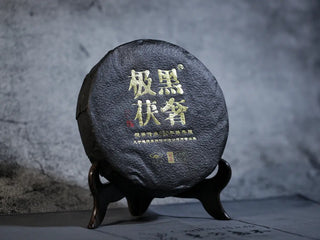
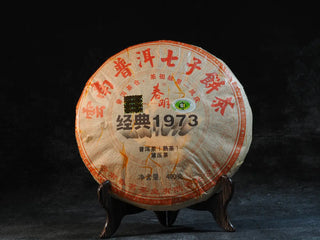
- الشاي الداكن (بو-ره، ليو باو) يتطلب تدفق الهواء ودرجة حرارة الغرفة للنضج بشكل صحيح؛ الرطوبة الزائدة هي تهديد الصيف الحقيقي الوحيد لهم.
- شاي الياسمين التخزين يعطي الأولوية للإغلاق المحكم في درجة حرارة الغرفة — البرودة تضعف عبيرها العطري المميز بشكل لا رجعة فيه.
- الحفظ على المدى الطويل يتطلب إغلاق الفراغ بالإضافة إلى التجميد؛ الشيخوخة على المدى الطويل تتطلب الظلام، والاستقرار، والتهوية controlled
-
أ تدقيق الشاي المنتظم — فحص الأختام، والموقع، والتعرض للضوء — هو أبسط عادة تحمي مجموعتك بأكملها.

لماذا الصيف هو أكبر عدو للشاي
الصيف هنا. أيامه المشمسة تجلب تهديدات خطيرة لمجموعتك من الشاي، بما في ذلك الحرارة العالية، والرطوبة، والضوء الشديد. يمكن لهذه العناصر أن تفسد أوراق الشاي الحساسة.
يؤدي مناخ الصيف بسرعة إلى تكسير الزيوت والمركبات الخاصة التي تجعل طعم الشاي رائعًا. هذا يحول المشروب الرائع إلى آخر باهت. أنت تضيع أموالك. النصائح الغامضة مثل "خزن في مكان بارد ومظلم" ليست كافية، لأن أنواع الشاي المختلفة لها احتياجات مختلفة.
هذه الدليل مختلف. سنوضح لك طريقة دقيقة لكل نوع من الشاي للتخزين الصيفي استنادًا إلى ما يفعله الخبراء. هدفنا بسيط. نريد أن يكون كل كوب تصنعه طعمه مثاليًا، تمامًا كما أراد صانع الشاي.
المذنبون الخمسة لتدهور الشاي
نضارة الشاي هشة. لحماية الشاي الخاص بك، يجب أن تحميه من خمسة أعداء رئيسيين يزدادون سوءًا في الصيف. تعرف على عدوك.
تحتاج إلى التحكم في البيئة حول الشاي الخاص بك لحماية استثمارك. إليك المذنبون الخمسة:
- الحرارة: تسرع الحرارة كل شيء. فهي تسرع الأكسدة، نفس العملية التي تجعل تفاحة مقطوعة تتحول إلى اللون البني. هذا التفاعل الكيميائي يجعل الشاي يفقد رائحته الطازجة ويطور طعمًا عفنًا. الأفضل درجة الحرارة المثلى لتخزين الشاي يجب أن يكون أقل من 75 درجة فهرنهايت (24 درجة مئوية)، حيث أن أي شيء أعلى يمكن أن يتلف الأوراق الحساسة.
- الضوء: الضوء الشمسي هو عدو قوي. أشعته فوق البنفسجية تكسر المركبات الكيميائية الرئيسية التي تخلق نكهة ورائحة الشاي المذهلة. حافظ على الشاي بعيدًا عن الجرار الزجاجية.
- الرطوبة (المرطبات): الرطوبة هي الخطر الأكبر. الأوراق المجففة تمتص الماء بسهولة من الهواء. القليل من الرطوبة يمكن أن يفسد نسيج الورقة ونكهتها، والكثير منها سيسبب نمو العفن، مما يدمر الشاي تمامًا.
- الرائحة: أوراق الشاي تمتص الروائح مثل الإسفنج. ستتشرب أي روائح قوية بالقرب منها. تخزين الشاي بجانب التوابل أو القهوة هو خطأ سيدمر طعمه النقي بشكل دائم.
- الأكسجين (الهواء): الأكسجين هو السبب الرئيسي للأكسدة. على الرغم من أن هذه العملية مهمة لصنع الشاي الأسود والأولونغ، فإن التعرض المفرط للهواء بعد ذلك يجعل أي شاي يبدو بلا طعم. غلق محكم ضروري.
قائمة تخزين الصيف النهائية: تحليل لكل نوع من الشاي
إليكم طريقتنا الأساسية. نقدم تعليمات محددة لثمانية أنواع مختلفة من الشاي، متجاوزين النصائح العامة بكثير. فهم الاختلافات الصغيرة بين هذه الأنواع هو سر التخزين المثالي في الصيف. الشاي الأخضر وكعكة البوراه يحتاجان إلى عناية مختلفة تمامًا، ولا يمكنك معالجتهما بنفس الطريقة.
مخطط الماستر: نظرة عامة على تخزين الشاي في الصيف
أولاً، انظر إلى هذا المخطط. يمنحك مرجعًا سريعًا لجميع أنواع الشاي الخاصة بك. ابحث عن نوعك، تحقق من الطريقة، وقم بتصحيح تخزينك على الفور.
| نوع الشاي | تخزين الصيف الموصى به | الاعتبارات الرئيسية |
|---|---|---|
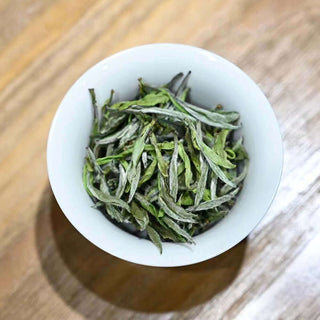
| الشاي الأخضر | المجمد (غير مفتوح)، والثلاجة (مفتوحة) | يجب أن يكون محكم الإغلاق ويُعاد إلى درجة حرارة الغرفة قبل الفتح. |
| شاي أصفر | درجة حرارة الغرفة (خشن) أو الثلاجة (رقيق) | يعتمد الاختيار على النكهة المرغوبة. الإغلاق مهم جدًا. |
| شاي أبيض | درجة حرارة الغرفة | لا يُنصح بالتبريد. احمِ من الشمس؛ اسمح ببعض التهوية في منطقة التخزين. |
| شاي أسود | درجة حرارة الغرفة | مختوم بإحكام. مستقر وأقل طلبًا. |
| شاي داكن (هي تشا) | درجة حرارة الغرفة | لا يُنصح بالتبريد.يحتاج إلى بعض الاتصال بالهواء للتعتيق. راقب الرطوبة العالية. |
| أولونغ خفيف | مجمد | مثالي للأكياس المختومة بالفراغ. يحفظ النكهات الزهرية. |
| أولون محمص | درجة حرارة الغرفة | لا يُنصح بالتبريد. التحميص يجعله مستقرًا جدًا. |
| شاي الياسمين | درجة حرارة الغرفة | مختوم بشكل مثالي لمنع فقدان الرائحة بسرعة. |
الشاي الأخضر (مثل لونججينغ، ماوفينغ): ضرورة التخزين المبرد
يحب الناس الشاي الأخضر لنكهاته الطازجة والمالحة. هذه النكهات حساسة جدًا. الحرارة والهواء سيدمرانها. التخزين المبرد ضروري جدًا لحماية جودتها.
ضع أي عبوات غير مفتوحة من الشاي الأخضر مباشرة في الفريزر. درجة الحرارة المستقرة حول -19°C (-2°F) مثالية. هذه الخطوة البسيطة توقف عملية الشيخوخة وتحافظ على نضارة الشاي لمدة تصل إلى عامين.
بمجرد فتح عبوة، حاول استهلاكها خلال بضعة أسابيع. إذا كنت بحاجة إلى تخزينها لفترة أطول، يمكنك أن تسأل، هل يجب تبريد الشاي الأخضر؟نعم، يجب ذلك. أغلق الكيس بإحكام، وادفع الهواء للخارج، وضعه في الثلاجة، وليس في الفريزر. التجميد وإذابته مرارًا وتكرارًا سيتلف الأوراق الحساسة.
إليك نصيحة مهمة. عندما تأخذ الشاي من البرودة، دع العبوة المختومة تسخن لبضع ساعات. يجب أن تصل إلى درجة حرارة الغرفة أولاً. فتحها مبكرًا يسبب تكاثف على الأوراق الباردة، مما يضيف رطوبة ستفسد الشاي الثمين الخاص بك.
ثلاجتك تحتوي على أطعمة وروائح أخرى. لحماية الشاي الخاص بك، لف العبوة بطبقة إضافية من البلاستيك أو ضعها داخل حاوية محكمة الإغلاق أخرى.
اقرأ المزيد عن مجموعة الشاي الأخضر لدينا
الشاي الأصفر (مثل جونشان ينزين): حكاية طريقتين
الشاي الأصفر فريد من نوعه. معالجته الخاصة تخلق وضع تخزين أكثر تعقيدًا. تعتمد الطريقة الصحيحة على نوع الشاي الخاص بك.
يمكنك تخزين الشاي الأصفر ذو الأوراق الخشنة والأقوى في درجة حرارة الغرفة. الأهم هو إحكام الإغلاق. تأكد من أن الأكياس ذاتية الإغلاق مغلقة تمامًا وأن الأغطية المعدنية مشدودة بإحكام.
بالنسبة للشاي الأصفر الرقيق والمليء بالبراعم، لديك خيار. يعتمد قرارك على النكهة التي تفضلها.
- للحفاظ على النضارة: إذا كنت تحب شخصية الشاي الزاهية والمنعشة، يجب أن تخزنه تمامًا مثل الشاي الأخضر. الإغلاق المحكم في الثلاجة أو المجمد سيحفظ تلك الروائح الرائعة.
- لتشجيع النعومة: إذا رغبت في رؤية كيف يتطور النكهة، يمكنك تخزينه في درجة حرارة الغرفة في حاوية محكمة الإغلاق. يتيح ذلك تغييرات بطيئة وهادئة تخلق طعمًا أكثر نعومة واعتدالًا مع مرور الوقت.
الشاي الأبيض (مثل الإبرة الفضية، باي مودان): احتضن الدفء (بعناية)
إليك قاعدة يجب أن تتبعها. لا تبرد الشاي الأبيض أبدًا، أبدًا.. الشاي الأبيض مخصص ليشيخ ويتطور مع مرور الوقت. درجات الحرارة المنخفضة توقف هذه العملية المفيدة ويمكن أن تقتل نكهته المعقدة والدقيقة.
التخزين الصحيح للشاي الأبيض يساعده على التحول ببطء. القواعد بسيطة لكنها صارمة:
- الختم: احتفظ بالشاي مختومًا في عبواته الأصلية أو في حاوية مخصصة. هذا يحميه من الروائح الخارجية والتغيرات المفاجئة في الرطوبة.
- الظل: سوف يدمر الضوء المباشر نكهات الشاي الدقيقة بسرعة. خزانة مظلمة أو مخزن هي المكان المثالي له.
- التهوية: يجب أن يكون الشاي نفسه مختومًا، لكن منطقة تخزينه بحاجة إلى بعض التهوية. يمكن أن تتسبب الخزانة المغلقة في تكوين روائح عفنة داخل العبوة على المدى الطويل.
الشاي الأسود (مثل كيمين، ديان هونغ): مستقر وبسيط
الشاي الأسود يتأكسد تمامًا أثناء الإنتاج. مما يجعله من أكثر أنواع الشاي استقرارًا وسهولة في التخزين. لا يحتاج إلى تبريد ويتحمل حرارة الصيف بشكل جيد.
الطريقة سهلة. حافظ عليه مغلقًا في مكان مظلم في درجة حرارة الغرفة. المشكلة الأكثر شيوعًا هي التعبئة السيئة.
- علب: تأكد من أن الغطاء يناسب جيدًا. إذا كان هناك غطاء داخلي ثانٍ، تأكد من أنه محكم الإغلاق أيضًا.
- أكياس: افحص إحكام الأكياس القابلة لإعادة الإغلاق بعناية. مرر إصبعك على المسار للتحسس من وجود أي فجوات. الفتحة الصغيرة تعادل عدم وجود إحكام على الإطلاق.
الشاي الداكن (بو-إر، ليو باو، فو بريك): فن الشيخوخة
الشاي الداكن مميز. يحتاج إلى بعض الاتصال بالهواء والرطوبة ليتم نضجه بشكل صحيح. هذه الأنواع من الشاي مصممة للتغير والتحسن على مدى سنوات عديدة.
يمكن أن يكون الصيف جيدًا وسيئًا لهم في آنٍ واحد. يمكن للحرارة الزائدة والرطوبة أن تسرع عملية النضج، وهو أمر غالبًا ما يكون جيدًا. لكن الرطوبة الزائدة لفترة طويلة قد تسبب العفن. إذا كنت تعيش في مناخ رطب جدًا، قد تحتاج إلى جهاز إزالة الرطوبة في غرفة التخزين.
اتبع هذه القواعد لنضج ناجح:
- عدم التعرض للشمس: احفظ الشاي الداكن بعيدًا عن أشعة الشمس المباشرة. الشمس ستوقف النشاط الميكروبي المطلوب للنضج.
- التهوية: يجب أن يكون منطقة التخزين جيدة التهوية. غرفة بها حركة هواء جيدة هي الأفضل لمنع العفن ومساعدة الشاي على النضوج بشكل متساوٍ.
تسوق شاي بو-إر المهيأ ناضجًا, اعثر على فُو بريك تي, استكشف شاي ليو باو الداكن الممتاز
أولون خفيف الأكسدة (مثل تي غوان يين، مرتفعات تايوان): حافظ على نضارته وبرودته
يحب الناس هذه الأنواع من الأولون لرائحتها الزهرية النابضة بالحياة. فهي تشبه الروائح الزهرية الطازجة والكريمة. هذه المركبات العطرية هشة جدًا.
هذه الأنواع من الأولون حساسة وليست مؤكسدة جدًا، لذا يجب معاملتها مثل الشاي الأخضر. يثير هذا سؤالًا شائعًا: هل يمكنك تجميد شاي الأولون؟ بالنسبة لهذه الأنواع الخفيفة والزهرية، الجواب هو بالتأكيد نعم. التجميد هو أفضل طريقة لتخزينها.
إليك نصيحة بسيطة. إذا كان لديك أي أنواع خفيفة من الأولون في مخزنك، انقلها إلى المجمد الآن. هذا الإجراء الصغير سيحافظ على رائحتها الزهرية المذهلة لأشهر أطول.
جرب أولون تي غوان يين إلهة الحديد
الشاي الأولون المشوي (مثل، شاي وويي روك، دان كونغ): قوة الفرن
تشمل هذه الفئة بعض من أكثر أنواع الشاي تعقيدًا في العالم. تمر بعملية تحميص فحم خاصة تطور نكهات غنية وفواكهية وتجعلها مستقرة جدًا.
وهذا يقود إلى قاعدة مهمة أخرى. لا تبرد أو تجمد الأولون المشوي. البرودة والرطوبة ستدمر الطابع المعقد المشوي الذي عمل عليه المايسترو بجد لإنشائه. تجعل عملية التحميص الورقة مرنة جدًا.
التخزين بسيط. احتفظ بها في درجة حرارة الغرفة في حاوية محكمة الإغلاق. كل ما تحتاجه هو خزانة مظلمة. طالما أنها مغلقة، يمكنها بسهولة تحمل جو الصيف.
عرض مجموعتنا الكاملة من شاي الأولون
شاي الياسمين: حماية العطر
هناك فهم خاطئ شائع حول شاي الياسمين. على الرغم من أنه غالبًا ما يكون له قاعدة من الشاي الأخضر، إلا أن عملية التطييب تغير احتياجات تخزينه تمامًا. فهو ليس مثل الشاي الأخضر العادي.
الهدف الرئيسي هو حماية عبير الياسمين الجميل. هذا العطر هو جوهر الشاي. كما أنه أكثر حساسية من نكهة الشاي نفسها.
يجب تخزينه في درجة حرارة الغرفة مع إحكام إغلاق محكم تمامًا. أي تسرب هوائي سيؤدي إلى تلاشي عبير الياسمين بسرعة، مما يترك لك شايًا مملًا. لا تبرده في الثلاجة، حيث أن البرودة قد تضعف العطر.
اختبر شاي الياسمين العطري لدينا
مبادئ التخزين على المدى الطويل: ما بعد صيف واحد
تخزين الشاي لفصل الصيف شيء واحد. تخزين الشاي الأوراق الحرة على المدى الطويل هو تحدٍ أكبر. عليك أولاً أن تعرف هدفك. هل تحاول الحفاظ على نضارته أم مساعدته على التقدم في العمر بشكل أنيق؟
يجب عليك الاختيار بين الحفظ والشيخوخة.
- الحفظ (شاي أخضر، أولونغ خفيف): هدفك هو "تجميد" الشاي في لحظة معينة لالتقاط أفضل لحظة له. تتطلب هذه الاستراتيجية إيقاف جميع التغيرات الكيميائية. استخدم درجات حرارة منخفضة وصفر أكسجين لتحقيق ذلك. التجميد والختم الفراغي هما الأدوات الأفضل لهذه المهمة.
- الشيخوخة (شاي أبيض، شاي داكن/بو-إر): هنا، هدفك هو العكس. تريد تشجيع تغيير بطيء ومتحكم فيه يضيف تعقيدًا ونعومة. يتطلب ذلك درجات حرارة ثابتة في الغرفة، وظلام تام، وظروف هوائية مُدارة بعناية.
بالنسبة للشاي الذي لن تلمسه لسنوات، تحتاج إلى الطريقة المثلى. قم بختم العبوة بالفراغ أولاً، ثم قم بتجميدها. هذا مثالي لشاي أخضر خاص أو أولونغ ثمين. البيانات التجريبية حول تخزين الشاي الأخضر تؤكد أن التجميد هو أفضل طريقة للحفاظ على نضارتها على المدى الطويل. تزيل هذه العملية ذات الخطوتين الأكسجين ثم تستخدم البرودة لإيقاف جميع التغيرات الكيميائية.
حان وقت تدقيق شاي الصيف
لا توجد قاعدة واحدة لتخزين الشاي. كل نوع مختلف. الشاي الأخضر يحتاج إلى الفريزر، بينما ينتمي الشاي الأوولون المشوي إلى مخزن مظلم. الشاي الداكن مثل بورّه يحتاج إلى التنفس في درجة حرارة الغرفة. فهم هذه الاختلافات الرئيسية سيحمي استثمارك.
حان الوقت للتحقق من شايك. قم بمراجعة مجموعتك واحدًا تلو الآخر. استخدم جدولنا ودليلنا لمعرفة ما إذا كان كل نوع من الشاي مخزنًا بشكل صحيح. هل هو في المكان الصحيح؟ هل الحاوية محكمة الإغلاق؟ هل هو محمي من الضوء والروائح؟
القليل من الجهد الآن يثمر لاحقًا. ستستمتع بشاي نابض بالنكهة طوال الصيف. كل كوب سيذوق تمامًا كما قصد الصانع.
لقد أظهرنا لك طرقنا. الآن نريد أن نسمع منك. ما هي أفضل نصائحك كيفية تخزين الشاي في الصيف؟ شارك أفكارك وأسئلتك في التعليقات.
صندوق اكتشاف الشاي المبرد الصيفي
تتوفر الآن مجموعتنا من 8 أنواع من الشاي بسعر موسمي خاص.
تم تصميمها لاستخراج بدرجة حرارة منخفضة، ويغطي هذا الطقم أعلى أنواع الشاي الأخضر, أبيض, الياسمين، و شاي أولونغ الصخري.
لا ضجيج سوق، ولا روائح مخزن—فقط نقاء خالص من المختبر.
الأسئلة الشائعة
س 1: ما هي أفضل طريقة لتخزين الشاي الأخضر في الصيف؟
يجب تخزين الشاي الأخضر في المجمد عند عدم فتحه، وفي الثلاجة بعد فتحه. دائمًا قم بإغلاقه بإحكام، وادفع الهواء الزائد، ودع العبوة المختومة تعود إلى درجة حرارة الغرفة قبل الفتح لمنع تكثف الرطوبة الذي قد يضر الأوراق.
السؤال 2: هل يمكنك تجميد شاي أولونج في الصيف؟نعم، ولكن فقط أنواع أولونج الخفيفة الأكسدة مثل تي قوان يين أو شاي المرتفعات التايواني العالي. يحفظ التجميد روائحها الزهرية الدقيقة. ومع ذلك، لا ينبغي تجميد أولونج المشوي مثل شاي روك وويي، حيث أن البرودة والرطوبة ستدمر خصائصه المشوية المعقدة.
السؤال 3: هل يجب تبريد الشاي الأبيض خلال الصيف؟لا. لا تبرد الشاي الأبيض أبدًا. الشاي الأبيض مصمم ليشيخ ويتطور مع الوقت في درجة حرارة الغرفة. التبريد يوقف هذه العملية المفيدة ويمكن أن يضر بنكهته الدقيقة. خزنه مغلقًا، بعيدًا عن أشعة الشمس، في مكان مظلم جيد التهوية.
السؤال 4: كيف يجب تخزين شاي بو-إر والشاي الداكن في حرارة الصيف؟الشاي الداكن مثل بو-إر يحتاج إلى تدفق هواء ورطوبة قليلة ليشيخ بشكل صحيح. خزنه في درجة حرارة الغرفة في مكان مظلم وجيد التهوية بعيدًا عن أشعة الشمس المباشرة. في المناخات الرطبة جدًا، استخدم جهاز إزالة الرطوبة لمنع العفن مع السماح باستمرار عملية الشيخوخة الطبيعية.
السؤال 5: ما هي أكبر خمسة تهديدات لجودة الشاي في الصيف؟الخمس أعداء الرئيسيين للشاي في الصيف هم الحرارة، الضوء، الرطوبة، الرائحة، والأكسجين. الحرارة تسرع الأكسدة، الضوء فوق البنفسجي يكسر مركبات النكهة، الرطوبة تسبب العفن، الروائح القوية المجاورة تمتص في الأوراق، والكميات الزائدة من الأكسجين تجعل طعم الشاي مسطحًا وفاسدًا.
كل عام، يزور الآلاف من عشاق الشاي بيت الشاي الخاص بنا للاستمتاع بكوب من الشاي الأصيل الهادئ. الآن، يمكنك جلب نفس التجربة إلى منزلك من موقع أورينتاليف.كوم.
برو التخمير، شراء بذكاء
≡ التنقل السريع +/−
↑ انقر على العنوان لطيه
1. النقاط الرئيسية ثانيًا: لماذا الصيف هو أكبر عدو للشاي ثالثًا: المذنبون الخمسة لتدهور جودة الشاي رابعًا: قائمة التحقق النهائية لتخزين الشاي في الصيف: أ... خامسًا: المبادئ للتخزين على المدى الطويل: ما وراء... سادسًا: حان وقت تدقيق الشاي الصيفي الأسئلة الشائعة 8. برو برو، اشترِ بذكاء