
انضم إلى مجتمع الشاي الخاص بنا على Discord — تحدث عن الشاي مع أشخاص يأخذونه على محمل الجد.

انضم إلى مجتمع الشاي

Our customers and tea friends often gather on The Tea Table, a tea community on Discord originally created by tea enthusiast Liquid Proust in 2020. 

Inside the server, members discuss tea, share tasting notes, and help each other learn more about Chinese tea. 

Some of our customers have also started a small OrientaLeaf corner there to chat about the teas they’re drinking. If you'd like to meet other tea drinkers and join the conversation, you're warmly welcome to join.

Go to the OrientaLeaf Corner

After you join the server, feel free to jump straight into our little corner HERE>>>

العملة

عربة التسوق الخاصة بك

عربة التسوق الخاصة بك فارغة

شاي فريدنج الأبيض

ما هو شاي فودين الأبيض — ولماذا يهم الأصل؟

شاي فودين الأبيض (福鼎白茶) يُنتج حصريًا في مدينة فودين بمقاطعة فوجيان في الصين — مسقط رأس الشاي الأبيض المعترف به. الاسم ليس نمطًا أو فئة؛ إنه بيان دقيق للأصل. بموجب المعيار الوطني الصيني (GB/T 22291) ووضعية العلامة الجغرافية المحمية (PGI)، لا يمكن أن يحمل هذا الاسم إلا الشاي المزروع من أصناف معتمدة في منطقة إنتاج فودين المحددة.

هذا الأمر مهم أكثر مما يدرك معظم المشترين. تربة جبال فودين الساحلية — المرتفعات الضبابية لجبل تايمو، التربة الطينية الحمراء الغنية بالمعادن، والمناخ البحري شبه الاستوائي — تخلق ظروفًا لا يمكن تكرارها في مكان آخر. الصنفان الأصليان في قلب هذه التقاليد، فودين دا باي (福鼎大白) و فودين دا هاو (福鼎大毫), ينتجان براعم ممتلئة جدًا وفضية القمة تشكل الأساس الوراثي لكل أنواع الشاي في هذه المجموعة.


مُستوردة مباشرة من المناطق الأساسية لزراعة فودين

كل أنواع الشاي في هذه المجموعة مستوردة مباشرة من المناطق الأساسية لإنتاج فودين. هذا يعني أننا نعمل مع مزارعي ومُنتجي الشاي في المناطق التي تهم — حدائق التلال حيث يتوافق الصنف، التربة، والمناخ لإنتاج شاي يلتزم بمعايير الجودة الوطنية.

لن تجد شاي مخلوط أو شاي معاد تصنيفه من مناطق مجاورة يُقدم على أنه فودينج. ما يُسمى هنا بشاي فودينج الأبيض هو بالضبط ذلك — قابل للتتبع ومتوافق وأصيل.


مجموعة كاملة للاستكشاف: التصنيف، الموسم، والعمر

شاي فودينج الأبيض ليس منتجًا واحدًا. إنه فئة حية ذات تنوع معنوي عبر ثلاثة أبعاد:

حسب التصنيف — الجزء الذي تم قطفه من النبات

  • إبرة فضية (白毫银针 Bái Háo Yín Zhēn) — فقط البراعم الأولى غير المفتوحة في الربيع. رقيقة، حلوة، لزجة في الكوب، مع نكهات عشب طازج وعسل الندى. أرقى تعبير عن شاي فودينج الأبيض.
  • باي مو دان / بيوني أبيض (白牡丹) — برعم واحد مع ورقتين ناعمتين صغيرتين. أكثر كثافة من إبرة فضية، مع نكهات زهرية واضحة وطعم حلو يدوم طويلاً. نقطة انطلاق مثالية للمبتدئين في الشاي الأبيض.
  • شوي مي (寿眉) أوراق ناضجة تُقطف في وقت لاحق من الموسم. جريئة، دافئة وغنية — مع نكهات التمر المجفف والأعشاب. قدرة استثنائية على التقدم في العمر تجعلها خيار الجامعين.

حسب موسم الحصاد — وقت قطف الشاي

يُنتج كل من حصاد الربيع والخريف شخصية مميزة. شاي الربيع يُحصد من أواخر مارس حتى مايو، عندما تصل طاقة النبات إلى ذروتها بعد سبات الشتاء — مما ينتج براعم ذات حلاوة مركزة وملف نقي ومشرق. شاي الخريف يتطور تحت ظروف نمو أطول وأجفّ، مما يمنحها شخصية أكثر نعومة ودفئًا أعمق. كلاهما ممثل بشكل جيد في هذه المجموعة.

حسب العمر — الشاي الأبيض الطازج مقابل الشاي الأبيض المعتق

على عكس معظم أنواع الشاي، يتحسن الشاي الأبيض فودينغ بشكل ملحوظ مع التخزين الصحيح. يمر الشاي الأبيض المعتق بتحول طبيعي بطيء: تتلاشى النكهات الزهرية والعشبية الطازجة لتُحل محلها حلاوة العسل، والجمبري المجفف، وعمق ناعم يكاد يكون دوائيًا. لهذا السبب يمكن أن يكون شاي شومي 2015 وبي مو دان 2023 متساويين في الجاذبية — لكن لأسباب مختلفة تمامًا. نحن نعرض أنواع الشاي التي تمت زراعتها عبر سنوات حصاد متعددة، مع وضع علامات واضحة عليها، حتى تعرف بالضبط ما تشتريه.


كيفية اختيار الشاي المناسب من هذه المجموعة

غير متأكد من أين تبدأ؟ إليك دليل بسيط:

إذا كنت تريد… ابدأ بـ…
أصفى وأرقى أنواع الشاي الأبيض إبرة فضية حصد الربيع
شاي يومي متوازن وسهل الشرب باي مو دان أوراق فضفاضة
تحضير جريء ودافئ للاستخدام اليومي شو مي أي سنة
شاي يكافئ الصبر والشيخوخة كيكة مضغوطة عمرها أكثر من ثلاث سنوات
هدية لمن يقدر الجودة كيكة شاي عمرها أو إبرة فضية ربيعية

يشمل كل عرض منتج سنة الحصاد، الموسم، الدرجة، وتفاصيل المعالجة — حتى تتمكن من اتخاذ قرار مستنير بدلاً من التخمين.


شحن عالمي ثابت بقيمة ٩.٥٠ دولارات على كل طلب. الشحن خلال ٤٨ ساعة.

{{ القيمة }} النتائج

{{ القيمة }} النتائج

Front view of Silk Ray Fuding Bai Mu Dan white tea cake wrapped in minimalist laboratory-style paper packaging, March 2023 harvest.

$37.50

سعر الوحدة
لكل

في الأوراق المالية

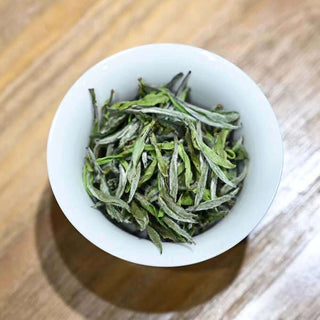
2024 White Peony white tea leaves in a white gaiwan
أُوكَازيُون

السعر العادي $35.00 من $10.90 وفر حتى 25%

سعر الوحدة
لكل

باي مو دان / شاي الفاوانيا الأبيض

السعر العادي $35.00 من $10.90 وفر حتى 25%

سعر الوحدة
لكل

في الأوراق المالية

2023 Fuding White Peony Tea Brick (Grade 1, Spring Harvest) - 200g Hand-Pressed Fujian White Tea
أُوكَازيُون

السعر العادي $85.00 من $3.50 وفر 25%

سعر الوحدة
لكل

في الأوراق المالية

2021 Aged Fuding White Peony Tea Cake - Grade 1 Autumn Harvest (150g)
أُوكَازيُون

السعر العادي $55.00 من $10.50 وفر 20%

سعر الوحدة
لكل

2021 شاي شوومي فودينغ عتيق الكعكة - حصاد الخريف من الدرجة الأولى (150 جم)

السعر العادي $55.00 من $10.50 وفر 20%

سعر الوحدة
لكل

في الأوراق المالية

Baicha Fuzhuan (Fu Xi & Fu Bao)

من {{أدنى سعر}}

سعر الوحدة
لكل

بايتشا فوزوان (فو شي وفو باو)

من {{أدنى سعر}}

سعر الوحدة
لكل

في الأوراق المالية

2023 Fuding Wild-Grown Gongmei White Tea Cake (Grade 1, Spring Harvest) - 100g Cake
أُوكَازيُون

السعر العادي $65.00 من $20.50 وفر 15%

سعر الوحدة
لكل

في الأوراق المالية

White Hair Silver Needle Tea Cake丨Orientaleaf White Hair Silver Needle Tea Cake White Tea Orientaleaf

من {{أدنى سعر}}

سعر الوحدة
لكل

كعكة الشاي ذات الشعر الأبيض والإبرة الفضية

من {{أدنى سعر}}

سعر الوحدة
لكل

في الأوراق المالية

2015 Aged Second-grade White Peony White Tea Mini Cake 2015 Aged Second-grade White Peony White Tea Mini Cake White Tea Orientaleaf

من {{أدنى سعر}}

سعر الوحدة
لكل

في الأوراق المالية

2023 Shoumei Fuding White Tea 2023 Spring Tea 2023 Shoumei Fuding White Tea 2023 Spring Tea White Tea Orientaleaf
أُوكَازيُون

السعر العادي $63.50 من $6.90 وفر 30%

سعر الوحدة
لكل

شاي شومي فودينغ الأبيض 2023 شاي الربيع 2023

السعر العادي $63.50 من $6.90 وفر 30%

سعر الوحدة
لكل

في الأوراق المالية

2022 Bailu Fuding White Tea 2022 Late Autumn Tea 2022 Bailu Fuding White Tea 2022 Late Autumn Tea White Tea Orientaleaf
أُوكَازيُون

السعر العادي $66.00 من $6.75 وفر 25%

سعر الوحدة
لكل

شاي بايلو فودينغ الأبيض 2022 شاي أواخر الخريف 2022

السعر العادي $66.00 من $6.75 وفر 25%

سعر الوحدة
لكل

في الأوراق المالية

Three sealed sachets of 2018 sun-dried Fuding White Peony compressed tea biscuits, each marked with white tea label, displayed on a dark ceramic plate.

من {{أدنى سعر}}

سعر الوحدة
لكل

2018 Sun-Dried White Peony Fuding Compressed Biscuit

من {{أدنى سعر}}

سعر الوحدة
لكل

في الأوراق المالية

Four sealed sachets of 2018 indoor-withered Fuding White Peony compressed tea biscuits stacked in a wooden box with gold label.

من {{أدنى سعر}}

سعر الوحدة
لكل

2018 Indoor-Withered White Peony Fuding Compressed Biscuit

من {{أدنى سعر}}

سعر الوحدة
لكل

في الأوراق المالية

Why Fuding?

White tea as a defined category — minimal processing, no fixation, no rolling, no roasting — was codified in Fuding. The two cultivars the region developed in the 19th century, Fuding Dabai (福鼎大白) and Fuding Dahao (福鼎大毫), produce buds and leaves dense in amino acids and natural sugars. Those compounds are what give young Fuding white tea its signature sweetness and what drive its transformation over years of aging.

The county sits where the Taimu Mountain range meets the coast of northeastern Fujian — cool, humid, foggy mornings, well-drained granite soils. The environment is mild enough that the plants grow slowly, which concentrates flavor. It is a geography that produces tea suited to both immediate drinking and long-term storage.

All teas in this collection are sourced from Fuding and the villages surrounding it — principally Guanyang Town (管阳镇), where many of our Shou Mei and Bai Mu Dan cakes originate. After sourcing, everything is dry-stored in Xi'an before shipping. See how we store it →

Fuding holds the designation of "China's White Tea Town" (中国白茶之乡) — the only county-level origin recognized nationally for this category. The national standard for white tea (GB/T 22291–2017) was drafted with Fuding as its primary reference point.


Three Grades, One Origin

Every tea in this collection comes from the same Fuding cultivars and the same minimal processing. What separates the grades is when the shoot is picked and how much of it is included — bud only, bud with young leaves, or mature leaves with stems. That single variable determines flavor, body, aging trajectory, and price.


Grade Comparison at a Glance

Grade Plucking Standard Young Flavor Aged Flavor Water Temp Best For
Silver Needle Unopened buds only Delicate, sweet, melon, fresh hay, cooling finish Honeyed, deepened floral, soft complexity 85–88 °C Special occasions, gifting, focused tasting
Bai Mu Dan Bud + 1–2 young leaves Floral, sweet soy-milk, fuller body Dried apricot, honey, herbal warmth 88–92 °C Daily drinking, newcomers, versatile use
Gong Mei (not listed separately) Bud + more mature leaves Fruity-sweet, bold, hay-like Date sweetness, rich amber cup 90–95 °C Daily drinking, transitional grade
Shou Mei Mature leaves + stems Herbaceous, earthy-sweet, robust body Dried dates, 药香 depth, woody warmth 95–100 °C Aging, collecting, robust daily use

Spring Harvest vs. Autumn Harvest

Both seasons appear across this collection, and the difference is real.

Spring Harvest (March – May)

  • First flush after winter dormancy
  • Buds are denser, richer in amino acids
  • Brighter, sweeter, more distinctly floral
  • Standard choice for Silver Needle and premium Bai Mu Dan
  • More expressive when young; rewarding to drink immediately

Autumn Harvest (August – October)

  • Longer growing season, slower development
  • Rounder, warmer, more mellow profile
  • Less intensely floral, more naturally sweet
  • Well-suited for Shou Mei cakes and long-term aging
  • Often preferred by experienced drinkers for daily use

Each product listing in this collection specifies the harvest season. For Silver Needle, spring is almost always the right choice. For Shou Mei pressed into cakes for aging, autumn harvests have a long tradition and a structural advantage.


How to Choose

You've never tried white tea before Start with a spring Bai Mu Dan — loose leaf, recent harvest. It's the most representative expression of Fuding white tea and the most forgiving to brew. Once you know what you're tasting, the rest of the collection makes more sense.
You want the finest, most refined cup Silver Needle. Specifically, a recent spring harvest in loose-leaf form. Use a glass cup or thin-walled gaiwan, 85 °C water, and let it brew slowly. The delicacy is the point.
You want something for everyday drinking A Bai Mu Dan or Shou Mei from 3–6 years ago gives you developed flavor without requiring careful brewing. The aging has already softened any rough edges. Reliable for gongfu sessions or a morning mug.
You want to experience aged white tea Go to the Shou Mei section and look at the 2013–2018 cakes. Ten-year-old Shou Mei is a different drink from anything young — date sweetness, medicinal depth, exceptionally smooth mouthfeel. No other tea category offers this transformation at this price range.
You want to buy and hold Sun-dried Shou Mei cakes from recent harvests (2021–2024) are the practical choice for home aging. Store in a dark, stable, odor-free environment. No special equipment needed. Revisit in 2–3 year intervals.
You want a gift A single Silver Needle cake or a Fortune mini Shou Mei with a traditional 福 seal both work well. If the recipient already drinks tea, any of the aged Bai Mu Dan or Shou Mei cakes make a more interesting choice than something they can find locally.

Further Reading