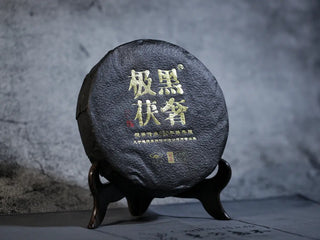
لمن يعانون من مرض السيلياك، تتحول شائعة واحدة إلى مصدر قلق بدلًا من علاج. لكن العقول المستنيرة لا تخاف من الظلال. دع العلم والتقاليد يعيدان إليك السلام.
نصائح مهمة
- شاي فوزهان لا يحتوي على دقيق. الشائعة المستمرة غير صحيحة تمامًا وت originate من منشور غربي واحد فهم بشكل خاطئ.
- أ كتاب عام 2016 للمؤلف جوزيف ويلي سويلي أول وصف بشكل غير صحيح زراعة الفطريات في المختبر كممارسة قياسية في إنتاج الشاي التجاري.
- يوروتيوم كريستاتوم — فطر الزهرة الذهبية — يتغذى بشكل طبيعي على بوليفينولات الشاي والأحماض الأمينية، ولا يتطلب أبدًا إضافات حبوب.
- إضافة دقيق القمح أو الشعير إلى أوراق الشاي الرطبة قد يؤدي إلى تكاثر البكتيريا الضارة، مما يدمر دفعات الإنتاج بالكامل على الفور.
- المعايير الوطنية الصينية GB/T تحظر قانونيًا جميع الإضافات غير الشاي، مما يجعل تزييف الدقيق غير منطقي علميًا ومخالفًا للقانون الفيدرالي.
- أصلي تخمير زهرة الذهب يعتمد بشكل حصري على التبخير، والتكديس الرطب، والضغط، وغرف التزهير ذات التحكم المناخي — لا شيء أكثر من ذلك.
- مصابون بمرض السيلياك ويمكن للأشخاص الحساسين للجلوتين استهلاك شاي فوزيوان الموثوق والمصدر بشكل صحيح بأمان دون خوف.
- تجري أورينتاليف عمليات تدقيقات ميدانية للمصنع وتحقق من الموردين على ثلاث مراحل، مما يضمن أن كل قطعة من الشاي تحتوي على 100% من كاميلليا سينينسيس النقية.

هل يحتوي شاي فوزيوان على دقيق؟ الحقيقة حول الأزهار الذهبية والجلوتين
إذا كنت تبحث على الإنترنت متسائلًا هل يحتوي شاي فوزهوان على دقيق, ربما تكون قد وجدت شائعة مربكة في دوائر الشاي الغربية. الجواب المختصر هو لا. الشاي فوزهوان التقليدي والأصيل لا يحتوي على أي منتجات من القمح أو الشعير. هذه الأسطورة المستمرة غير صحيحة تمامًا. تشير الشائعة إلى أن الصانعين يستخدمون الدقيق لنمو "الزهور الذهبية" الشهيرة داخل هذه الطوب من الشاي المخمر.
هذا يقلق العديد من محبي الشاي. بالنسبة للأشخاص المصابين بمرض السيلياك أو حساسية الجلوتين الشديدة، يتحول هذا الشائعة الكاذبة إلى خطر صحي، حيث يخلق نقص المعلومات ضغطًا نفسيًا. نحن نفهم مدى الإحباط الذي تشعر به عندما ترغب فقط في الاستمتاع بكوب من الشاي الآمن والمريح.
"I love Fu Brick Tea."
ومع ذلك، قرأت عبر الإنترنت أنهم يستخدمون دقيق القمح لنمو الفطر الأصفر.
"هل يحتوي شاي فوزوان على الغلوتين؟"
لدي مرض السيلياك وأشعر بالخوف من شرب آخر مشترياتي.
نسمع هذا القلق كثيرًا. عشاق الشاي الغربيون الذين يستكشفون عالم الشاي الصيني الداكن يسألوننا غالبًا عن هذه المشكلة بالذات. يُعرف شاي فوزوان بأسماء كثيرة. يُطلق عليه الناس أيضًا شاي فو بريك، أو فوزوان بريك، أو ببساطة فو تشا. هو شاي مخمر بعد التخمير التاريخي. يحتفل عشاقه حول العالم بهذا المشروب الخاص لخصائصه الفريدة و خصائصه الصحية والبروبيوتيك.
نريد تصحيح المعلومات. قضى خبراؤنا في الصناعة سنوات في دراسة علم الشاي وزيارة المصانع الأصلية في الصين. سنوضح اليوم هذا الشائعة. سنشرح العلم الحقيقي وراء تخمير الشاي الداكن ونكشف عن المعايير القانونية الصارمة للإنتاج الأصيل.
سوف تحصل على إجابات واضحة. بنهاية هذا الدليل، ستتمكن من التنقل بثقة في عالم شاي فوزوان دون خوف من المواد المسببة للحساسية المخفية.
تتبع المصدر: من أين بدأت شائعة "الدقيق في شاي فوزوان المعبأ"؟
غالبًا ما تصبح الأساطير حقائق مقبولة. لفهم هذه العملية، يجب تتبع الشائعة إلى أصلها على الإنترنت الناطق باللغة الإنجليزية. غالبًا ما يطرح الناس سؤالًا محددًا. السؤال هو هل يُستخدم الدقيق لصنع شاي فوزوان المعبأ؟ ينبع من سوء فهم كبير نُشر في أدبيات الشاي الغربية.
بدأت هذه الشائعة البارزة في كتاب واحد. نشر الكاتب الأمريكي جوزيف ويسلي هول كتابًا بعنوان فن وصناعة الشاي في عام 2016. الصفحة 45 تحتوي على خطأ كبير. يذكر الكتاب بشكل غير صحيح أن العمال يخلطون أبواغ العفن مع دقيق القمح أو الشعير لتطعيم مكعبات الشاي.
نسخ الكتاب هذا الجملة الوحيدة في كل مكان. لقد اقتبس وشرح العديد من مدوني ومنتديات الشاي الغربية هذا الادعاء الكاذب على مدى السنوات الماضية. أخطأ المؤلف في الخلط بين مجالين مختلفين. يخلط هذا الوصف بين البحث المخبري الميكروبيولوجي وطرق تصنيع الشاي التجارية الفعلية.
يدرس العلماء الفطريات في المختبرات. يجب على الباحثين الذين يدرسون فطر يوروتميا كريستاتوم عزل ونمو السلالة على وسط زراعة معقم في أطباق بيتري. هذه هي الأزهار الذهبية الشهيرة. غالبًا ما تحتوي أوساط الأجار المختبرية على كربوهيدرات معقدة مشتقة من مستخلص الشعير أو البطاطس أو الشعير لتسريع النمو.
وثق الكتاب هذه التقنية بشكل سيء. وصف المؤلف بشكل خاطئ تقنية العزل المخبري المحددة جدًا هذه بأنها إجراء التشغيل القياسي لمصانع الشاي التجارية. هذا الانتقال لا معنى له. نقل منهجية طبق بيتري إلى الإنتاج الضخم للسلع الزراعية من الشاي لا يكون عمليًا ولا علميًا.
نريد توضيح هذا الفهم الخاطئ. لقد قسمنا الاختلافات الحادة بين هذين البيئتين في الجدول أدناه.
| الميزة | خرافة (عملية الزراعة في المختبر) | الواقع (معالجة الشاي التجارية) |
|---|---|---|
| الغرض | عزل ودراسة سلالات الفطريات النقية في طبق بيتري. | لإنتاج آلاف الكيلوجرامات من الشاي الداكن الصالح للاستهلاك واللذيذ. |
| مصدر المغذيات | وسائط زراعة صناعية تحتوي على النشويات (دقيق، شعير، مخمر). | المركبات العضوية الطبيعية (الفينولات، الأحماض الأمينية) الموجودة داخل أوراق الشاي. |
| البيئة | حاضنات طبية عالية التعقيم، ومتحكم بها بشكل دقيق. | غرف تخمير تقليدية في المصنع (غرف فاهوا) تستخدم التحكم الطبيعي في المناخ. |
| النتيجة النهائية | عينة فطر علمية بحتة غير صالحة للاستهلاك البشري. | طوب شاي طبيعي مخمر نظيف وخالٍ من إضافات الحبوب. |
علم الأزهار الذهبية: شرح التخمير الطبيعي
يجب أن ننظر إلى العلم. لإثبات بشكل قاطع سبب تجنب الصانعين للطحين، يجب أن نفهم العلم الحقيقي وراء تخمير أزهار الذهب لشاي فوزيوان. البقع الصفراء الشهيرة هي فطريات. هذه البقع داخل طوب فو هي الأجسام الثمرية لفطر مفيد، بروبيوتيك، يُعرف علميًا باسم يوروتيوم كريستاتوم.
هذا الفطر لا يحتاج إلى نشا مضافة. بدلاً من ذلك، فهو متكيف بشكل فريد ليغذي نفسه على التركيبة الكيميائية الغنية والمعقدة لنبات شاي الكاميليا سينينسيس نفسه.
توفير عملية التخمير غذاء وفير. أوراق الشاي تقدم مصدر غذائي طبيعي يتكون من بوليفينولات الشاي، السكريات النباتية الطبيعية، والأحماض الأمينية. يقوم العمال بضغط الشاي إلى طوب. هذا الإجراء يخلق بيئة ميكروية ذات كثافة مثالية للاحتفاظ بالرطوبة والحرارة الضروريتين.
يمكننا ملاحظة هذه العملية بسهولة. يمكنك القراءة عن ذلك التتابع الميكروبي الطبيعي أثناء تصنيع شاي فو بريك, حيث يتفوق الفطر الأوروبي كريستاتوم بشكل طبيعي على الميكروبات الأخرى. التدخل الخارجي غير ضروري تمامًا هنا. إدخال كربوهيدرات غريبة مثل دقيق القمح في هذا النظام البيئي الدقيق قد يسبب فشلًا كارثيًا في المصنع.
الدقيق يدمر أوراق الشاي الرطبة. إضافة الدقيق إلى كومة من أوراق الشاي الرطبة ستؤدي إلى طفرة بكتيرية سريعة وغير قابلة للسيطرة. هذا يجذب العفن الضار والسموم. العفن الأسود أو سلالات الأسبيرجيلوس الضارة ستسيطر على قالب الشاي وتدمر الدفعة بأكملها.
الدقيق يدمر أيضًا السلامة المادية. شاي مخمر بالدقيق سينتج عنه حساء غائم وكثيف وذو طعم كريه للمشرب. هذا يدمر الملف الحسي تمامًا. إنه يدمر الوضوح الكهرماني المشرق والرائحة الحلوة والخشبية التي يشتهر بها فو تشا الممتاز.
المصانع الأصلية لا تملك دافعًا هنا. ليس لديها أسباب مالية أو عملية على الإطلاق لإضافة الدقيق إلى خطوط المعالجة عالية التطور الخاصة بها. يعتمد الإنتاج التقليدي على العناصر المادية. تستخدم العملية أوراق الشاي النقية والماء النقي فقط لتحقيق النتيجة المثالية.
إليك العملية الفيزيائية الأصلية. تستخدم المصانع هذه الطرق خطوة بخطوة لزراعة الأزهار الذهبية بشكل طبيعي دون أي إضافات صناعية:
- البخار (汽蒸): يقوم العمال ببخار أوراق الشاي الداكنة الخام. يعرضون الأوراق للبخار عالي الحرارة لجعلها مرنة وتنشيط رطوبتها الداخلية.
- التكديس الرطب (渥堆): يتم تكديس الأوراق الرطبة معًا. يسمح ذلك بتراكم الحرارة الطبيعية ويبدأ عملية التخمير الميكروبي الأساسية.
- الضغط (压制): يضغط العمال الأوراق بإحكام. يستخدمون قوالب خشبية ومكابس هيدروليكية لإنشاء الكثافة الداخلية المثالية لنمو الفطريات.
- تزهير (发花): الطوب الشاي النقي يتحرك بعد ذلك. يدخل غرفة تجفيف متخصصة ومتحكم فيها مناخيًا حيث يتم تحفيز جراثيم يورويتيوم كريستاتوم الخاملة على التفتح خلال عدة أسابيع.
هل ترغب في رؤية هذه العملية بعينيك؟ شاهد لقطات وراء الكواليس من مصنع طوب الشاي فو تونغ على ⟦0⟧:
هل أنت فضولي بشأن الزهرة الذهبية في شاي فو زوان؟
تتميز مجموعة طوب فو لدينا بشاي غني بنمو زهرة الذهب الصحية — كل طوب يُختبر بشكل مستقل للجودة والسلامة، مصدره مباشرة من مصانع أن هوا وشانشي.
استكشف مجموعة طوب فو لدينا →المعايير الوطنية الصينية (GB/T): المخطط القانوني للشاي الداكن النقي
هناك أيضًا حاجز قانوني ضخم. بعيدًا عن الاستحالة العلمية لاستخدام الدقيق، تمنع القوانين الصارمة تزييف شاي فوزوآن. تمتلك الصين منظمات صارمة لسلامة الأغذية. تحافظ البلاد على نظام موحد للغاية لتنظيم المنتجات الزراعية والأغذية تمامًا كما تفعل العديد من الدول الغربية.
تحكم المعايير الوطنية إنتاج الشاي الداكن. تفرض الحكومة بشكل صارم المعايير الوطنية لجمهورية الصين الشعبية، والمعروفة باسم Guobiao أو معايير GB/T. يتبع شاي فوزوان إطارين قانونيين. يجب أن يمتثل للمعيار المفصل للغاية GB/T 32719.5-2018 (الشاي الأسود الجزء 5: شاي Fu) و GB/T 9833.3-2013 (الشاي المضغوط الجزء 3: شاي فوزوان).
هذه الوثائق ملزمة قانونيًا. تحدد بدقة المواد الخام التي يمكن للمصانع استخدامها، محتوى الرطوبة المسموح به، وخطوات المعالجة الفيزيائية الدقيقة المطلوبة. هذا يحمي قرائنا الحساسين للجلوتين. تحظر هذه المعايير الصارمة تمامًا استخدام الإضافات غير الشاي خلال عملية التصنيع بأكملها.
"المواد الخام لها قواعد صارمة."
"يجب أن يستخلص شاي فوزوان حصريًا من أوراق وسيقان نبات الكاميليا سينينسيس."
"يجب أن يكون المنتج النهائي نقيًا."
"يجب أن يخلو من أي مادة غريبة غير الشاي، أو إضافات كيميائية غير مصرح بها، أو مستعمرات بيولوجية خارجية تغير التركيب الطبيعي للشاي."
— تفسير مختصر للمعيار GB/T 9833.3-2013.
إذا أضاف مصنع شاي تجاري دقيق القمح أو الشعير لتعزيز نمو زهرة الذهب بشكل مصطنع، فإن ذلك ينتهك القانون الفيدرالي مباشرة. تجري السلطات عينات عشوائية من السوق بانتظام. يقوم مسؤولو سلامة الأغذية الصينيون بإجراء هذه الاختبارات لضمان الامتثال التام لهذه المعايير الصارمة GB/T.
تواجه المصانع المخادعة عواقب وخيمة. أي شركة تُقبض عليها وهي ت adulterating الشاي الخاص بها بحبوب غير معلنة أو مكونات مضافة ستتعرض لغرامات مالية ضخمة. تسحب الحكومة تراخيص إنتاجها. كما تواجه هذه الشركات المخالفة حظرًا دائمًا من العمل في صناعة الشاي مرة أخرى.
السمعة التجارية ذات قيمة عالية. بالنسبة للمؤسسات التاريخية متعددة الملايين من الدولارات في صناعة الشاي الموجودة في مقاطعات هونان وشانشي، فإن سمعتها الحسنة هي أهم أصولها. إضافة دقيق رخيص غير منطقي على الإطلاق. المخاطرة بوجودها الكامل لإضافة دقيق بشكل غير قانوني إلى منتج يتخمر بشكل طبيعي بشكل ممتاز هو ممارسة غير موجودة بين المنتجين الشرعيين.
التزامنا: داخل مصانع الشاي فوزهوان التي نتعاون معها
يجب أن نعترف بواقع قاسٍ. على الرغم من أننا دحضنا تمامًا الأساس العلمي والقانوني لشائعة الدقيق، لا يزال سوق الشاي العالمي يعاني من مشاكل. السوق الثانوي للشاي غمر. غالبًا ما تبيع المنصات غير المنظمة شايًا مقلدًا، مخزنًا بشكل سيئ، أو معالجًا بشكل غير صحيح من مصانع ظل غير موثوقة.
لا يمكننا فحص كل قطعة طوب. نظرًا لأن الإنترنت واسع، لا يمكننا قانونيًا أو أخلاقيًا ضمان أن كل شاي فوزهوان في السوق خالٍ تمامًا من التلوث. ومع ذلك، نقدم ضمانًا لا يقبل الجدال. يمكننا أن نعد بشكل قاطع بسلامة ونقاء الشاي الذي نوفره ونبيعه بأنفسنا.
شاي أورينتاليف آمن تمامًا. يمكننا الالتزام بمسؤولية أن شاي الطوب فوزيوان المبيع من قبل أورينتاليف لن يستخدم أبدًا أي دقيق أو منتجات حبوب للحقن بالزهرة الذهبية. نحن لا نعتمد أبدًا على وسطاء. لضمان هذا المستوى غير المسبوق من سلامة الطعام لعملائنا، نرفض الثقة بادعاءات الموزعين العامين.

نذهب إلى المصدر. نسافر شخصيًا إلى المناطق المنتجة للشاي الأسود الداكن، لإجراء فحوصات ميدانية مكثفة. نطالب بالتأكيدات وجهًا لوجه. أجرينا محادثات صارمة مع المهندسين الرئيسيين في مصانع شركائنا الثلاثة بشأن سلسلة المعالجة بأكملها.
نقف على أرض المصنع. خلال زياراتنا، نفحص شخصيًا خطوط التبخير، وآلات الضغط، وغرف التزهير ذات التحكم المناخي في فاهوا. نشهد العملية بأكملها عن كثب. من لحظة دخول الأوراق الخام إلى المنشأة حتى لحظة تغليف الطوب، لا توجد مواد دقيق أو حبوب على الإطلاق في البيئة.
نقدر شفافية سلسلة التوريد بشكل مهووس. يتيح لنا هذا الالتزام أن نقدم لك مجموعة من شاي فو الشافية والنقية تمامًا. يمكنك استكشاف خياراتنا التقليدية. سواء اخترت شاي الطوب فو الطاوي أو الجريء شاي الطوب فو YXT, أنت دائمًا تشرب شاي الكاميليا سينينسيس النقي.
بعض الناس يبحثون عن الشاي المعتدل والقديم. لأولئك العملاء، نحن شاي جينش فنتيج فو بريك يقدم تجربة نقية ومعتقة طبيعيًا. يمكنك معرفة المزيد عبر الإنترنت. إذا رغبت في استكشاف تاريخ وفوائد الصحة لهذه الطوب البروبيوتيكي، نوصي بشدة بقراءة دليلنا الرئيسي: كل شيء عن شاي الطوب فوزهان بالزهور الذهبية.
تضمن أورينتاليف بروتوكول مصدر شفاف. عند اختيارك لشاي الداكن الخاص بنا، أنت مدعوم تمامًا بهذه الوعود الثلاثة الصارمة للسلامة:
- التحقق من المصنع على ثلاث مراحل: نقوم بمراجعة جميع طرق الإنتاج. نتواصل مباشرة مع مالك المصنع، ورئيس خبراء الشاي، وفاحص سلامة المنشأة لضمان الجودة.
- تدقيقات سلسلة التوريد في الموقع: نسير شخصيًا في أرضية الإنتاج. خلال موسم الضغط والتزهير، نتحقق من عدم وجود أي إضافات غير الشاي في المبنى.
- ضمان الشاي النقي 100٪: نقف بجانب وعدنا النقي. كل شاي فوزوان الذي نقدمه يعتمد بشكل صارم على التسلسل الطبيعي للكائنات الدقيقة، وخالٍ تمامًا من القمح، الشعير، أو الدقيق.
هل ترغب في تذوق الشاي الذي رأيته يُصنع للتو؟
شاي الطوب فو من طاوية في الفيديو أعلاه مستورد من مصنع شركائنا في شنغهاي — كل طوبة تم التحقق منها شخصيًا لنمو زهرة الذهب النقية ونكهة نظيفة وحلوة.
تصفح مجموعة طاوية →الخلاصة: دليلك للشاي الداكن الخالي من الجلوتين
شائعة الدقيق مجرد خرافة. نشأت من سوء فهم كبير بين علم المختبرات والواقع التجاري في صناعة الشاي. يتطلب الشاي فوزوان الأصيل تآزرًا طبيعيًا. يعتمد الشاي المصنوع بخبرة على الاتصال الجميل بين أوراق الشاي، والبيئة، والوقت.
لا تخف من الجلوتين المخفي بعد الآن. يمكنك تجربة النكهات الغنية والترابية والفوائد البروبيوتيك لهذا المشروب التاريخي بأمان ودون قلق. الشاي الداكن المخمر بشكل صحيح هو صحي جدًا. يعترف المجلس الأمريكي للأعشاب بالشاي الطبي التقليدي الذي يُستهلك بأمان كإضافة طبيعية لروتين العافية اليومي الخاص بك.
نريدك أن تخمر بأمان. لقد جمعنا بعض المبادئ النهائية لتكون دليلك النهائي دليل الشاي الداكن الخالي من الجلوتين.
دائمًا اسأل عن المصدر
لا تتردد أبدًا في طرح أسئلة تفصيلية. يجب أن تسأل دائمًا بائع الشاي الخاص بك عن ممارسات التوريد والعلاقات مع المصانع. بعض البائعين لا يمكنهم الإجابة بثقة. إذا لم يتمكن البائع من إخبارك بمكان مصدر شايه بالضبط، فعليك البحث عن مورد أكثر شفافية.
تجنب الطوب الرخيص غير المميز
المخاطر العالية تأتي من الطوب الرخيص. الشاي المشتبه فيه رخيص جدًا وغير مميز يُباع غالبًا على أسواق التجميع الضخمة ويتميز بممارسات تصنيع سيئة جدًا. التزم بالعلامات التجارية ذات السمعة الطيبة والصادقة. يجب أن تشتري فقط من الشركات التي تلتزم بمعايير GB/T الوطنية الصارمة للصين لإنتاج الشاي النقي.
الثقة في الشراكات الشفافة
الثقة المطلقة غير قابلة للمساومة تمامًا. للأشخاص المصابين بمرض السيلياك أو حساسية الجلوتين الشديدة، يجب أن تثق تمامًا في موردك. تضمن أورينتاليف عملية خالية من الدقيق. من خلال اختيار شركة تزور المصانع شخصيًا، يمكنك أخيرًا الاسترخاء والاستمتاع بالسحر الذهبي والحلو للشاي فو تشا الأصلي.
هل أنت مستعد لتجربة شاي زهرة الذهب الحائز على جوائز؟
مجموعة فوشي المميزة بجائزة عالم الشاي تمثل قمة الشاي الداكن المخمر الطبيعي والنظيف — كل قطعة من الطوب تم مصدرها والتحقق من نقائها شخصيًا.
اكتشف فوشي الحائز على جوائز →الأسئلة الشائعة
السؤال 1: هل يحتوي شاي فوزهوان على دقيق أو أي مكونات من القمح؟
لا. يحتوي شاي فوزهوان الأصلي على صفر دقيق، قمح، أو شعير. تنمو أزهار الذهب طبيعيًا من العناصر الغذائية داخل أوراق الشاي نفسها، ولا تتطلب أي إضافات من الحبوب على الإطلاق.
السؤال الثاني: من أين جاءت الشائعة بأن شاي فوزهان يحتوي على دقيق؟
نشأت الأسطورة من كتاب عام 2016 للمؤلف جوزيف ويسلي هول، الذي خلط بين تقنيات زراعة الفطريات في المختبر باستخدام وسط النشا وطرق إنتاج المصانع التجارية للشاي الفعلي.
السؤال الثالث: هل شاي فوزهان آمن للأشخاص المصابين بمرض السيلياك؟
الشاي الفوزهان الأصلي والموثوق من مصانع معتمدة تلتزم بمعايير GB/T الوطنية في الصين لا يحتوي على مكونات تحتوي على الجلوتين ويعتبر بشكل عام آمنًا للأشخاص الحساسين للجلوتين.
السؤال الرابع: ما الذي ينمو فعليًا ليشكل الأزهار الذهبية داخل فوزان؟
الأزهار الذهبية هي أجسام ثمرية للفطر Eurotium cristatum، وهو فطر بروبيوتيك يتغذى بشكل طبيعي على البوليفينولات الموجودة في الشاي، والأحماض الأمينية، وسكريات النبات الموجودة بالفعل داخل أوراق الشاي المضغوطة.
السؤال الخامس: كيف يمكنني التحقق من أن شاي فوزهان الخاص بي لا يحتوي على دقيق أو إضافات؟
اشترِ فقط من الموردين الذين يجرون تدقيقات مباشرة للمصنع، ويلتزمون بمعيار GB/T 9833.3-2013 في الصين، ويمكنهم بشكل شفاف تأكيد سلسلة التوريد الكاملة وعمليات الإنتاج الخاصة بهم.
كل عام، يزور الآلاف من محبي الشاي بيت الشاي الخاص بنا للاستمتاع بكوب هادئ من الشاي الأبيض الأصيل. الآن، يمكنك جلب نفس التجربة إلى المنزل من خلال موقع أورينتاليف.كوم.