Валюта

Ваша корзина

Ваша корзина пуста

Чаи, полезные для желудка: мягкие напитки для пищеварения и здоровья кишечника

Откройте для себя более осознанный чайный ритуал с нашей тщательно подобранной коллекцией чаев, полезных для желудка. Если у вас чувствительный желудок или вы любите утренний напиток, но боитесь «чайной болезни», эта подборка создана для вас. Мы собрали самые известные ферментированные и выдержанные чаи Китая, каждый из которых ценится за его мягкость и успокаивающее действие на пищеварительную систему.

От богатого пробиотиками чая Фу Чжуань до мягкого согревающего выдержанного пуэра (Шу) и Лю Бао — эти чаи проходят уникальные процессы ферментации, которые превращают жесткие танины в соединения, успокаивающие желудок. Независимо от того, жаждете ли вы солодовой сладости полностью окисленного черного чая, сбалансированного аромата улуна или успокаивающих, медовых нот выдержанного белого чая, каждый лист в этой коллекции выбран за его «теплую» природу в традиционной практике и его научную способность поддерживать гармонию кишечника.

Почему стоит выбрать нашу коллекцию мягкого чая?

  • Гармония пищеварения: Эти чаи, естественно низкие по терпкости, обеспечивают успокаивающий буфер для слизистой оболочки желудка.
  • Богаты пробиотиками и антиоксидантами: Включают постферментированные чаи, такие как Фу Чжуань и Хэй Ча, известные тем, что поддерживают здоровую микрофлору кишечника.
  • Сила выдержки: Мы отдаем предпочтение выдержанному белому чаю и винтажному Лю Бао, где время естественным образом смягчило характер чая для максимального комфорта.
  • Поддержка метаболизма без раздражения: Наслаждайтесь метаболическим стимулом Camellia sinensis без дрожи или кислотного рефлюкса, характерных для неокисленных зеленых чаев.

Ищете ли вы мягкого компаньона для голодания или средство для пищеварения после обильного приема пищи, наша коллекция предлагает естественное, вкусное решение, основанное на традиционной мудрости и современном подходе к здоровью.
149 Результаты

149 Результаты

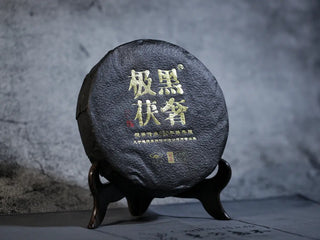
Top view of the unwrapped Jingyang Golden Flower Dark Tea Cake (Heicha)

от $5.00

Цена за единицу товара
за

Чай On Daoism -Jingyang Golden Flower Fu Brick [Black Label] 150г

от $5.00

Цена за единицу товара
за

В наличии

Baicha Fuzhuan (Fu Xi & Fu Bao)

от $8.50

Цена за единицу товара
за

Байча Фучжуань (Фу Си и Фу Бао)

от $8.50

Цена за единицу товара
за

В наличии

On Taoism Golden Flower White Tea Gift Box for single-serve packs (best Fuding Puerh alternative).

от $2.95

Цена за единицу товара
за

Мини-пирожные с белым чаем «Золотой цветок»

от $2.95

Цена за единицу товара
за

В наличии

Authentic YXT Fu Brick Tea from Dabashan – 900g

от $4.50

Цена за единицу товара
за

Настоящий кирпичный чай YXT Fu из Дабашаня – 900 г

от $4.50

Цена за единицу товара
за

В наличии

YXT Jingyang Fu Tea Dark Tea Heicha RED Box Brick Handcrafted 800g YXT Jingyang Fu Tea Dark Tea Heicha RED Box Brick Handcrafted 800g Fu Tea Orientaleaf

от $3.75

Цена за единицу товара
за

В наличии

Front view of YXT Jingyang Fu Tea Ximanzi 2018 Premium Shaanxi Dark Tea Brick outer box packaging.

от $4.25

Цена за единицу товара
за

В наличии

Чай YXT Golden Fu — индивидуально упакованные пакетики по 6 г.

от $4.30

Цена за единицу товара
за

В наличии

Jingyang Golden Flower Fu Brick Tea (280g) - Premium Yunnan Fuzhuan Tea with Golden Flowers

от $8.50

Цена за единицу товара
за

В наличии

Premium 1958 Golden Flower Fu Brick Tea in elegant red and black gift boxes.

от $5.95

Цена за единицу товара
за

В наличии

Jingyang 650th Anniversary Fu Brick Tea (280g) - Ming Dynasty Fuzhuan Tea with Golden Flowers

от $6.00

Цена за единицу товара
за

В наличии

2014 Tengma Ripe Pu-erh in Green Tangerine

от $4.59

Цена за единицу товара
за

В наличии

2014 Aged Liubao Dark Tea dry leaves close-up, showcasing tight, glossy texture, known for Betel Nut Aroma and Cooling Finish.

от $6.75

Цена за единицу товара
за

В наличии

On Taoism - Jingyang Golden Flower Fu Brick Tea - 190g Cake

от $31.50

Цена за единицу товара
за

Чай On Daoism -Jingyang Golden Flower Fu Brick [Black Label] 150г

от $31.50

Цена за единицу товара
за

В наличии

Close-up of Grade 1 2013 Aged Liubao Dark Tea dry leaves, showing tight ropes and golden tips that indicate premium Wuzhou factory craftsmanship.

от $9.85

Цена за единицу товара
за

В наличии

Classic Gold Award Da Hong Pao Oolong Tea

от $5.05

Цена за единицу товара
за

В наличии

Front view of Yunnan High Mountain Wild Ancient Tree Shoumei White Tea Cake (2019) with packaging

от $8.00

Цена за единицу товара
за

В наличии

Orchid Aroma Da Hong Pao

от $3.50

Цена за единицу товара
за

Аромат орхидеи Да Хун Пао

от $3.50

Цена за единицу товара
за

В наличии

Ху Сяо Ян Роу Гуй | Чайный Улун, выращенный на скалах Уи-Рок

от $6.60

Цена за единицу товара
за

В наличии

Golden Treasure Ripe Puerh Tea Cake – Menghai Origin-Front view of a tightly pressed Pu-erh tea cake wrapped in vibrant red paper with gold-foil Chinese characters, showcasing rich traditional Chinese design elements.

от $7.80

Цена за единицу товара
за

В наличии

Keng Jian Rou Gui  Pit-Valley Grown Wuyi Rock Oolong Tea

от $3.85

Цена за единицу товара
за

В наличии

Zhengyan Da Hong Pao – Shi Ru Style (Rock-Grown, Milky Floral Aroma)

от $6.95

Цена за единицу товара
за

В наличии

2010 Vintage Jingyang Fu Brick Tea in original red master-grade packaging by Master Jia Genshe.

от $16.81

Цена за единицу товара
за

В наличии

Front view of Yunnan Red Glow Ripe Pu-erh Tea Mini Cake – 100g in its original red and gold packaging, showcasing the classic round tea cake design.

от $12.00

Цена за единицу товара
за

В наличии

Front view of Yunnan Jinggu White Peony Tea Cake 357g with original packaging, showcasing the silver-wrapped jade appearance

от $10.55

Цена за единицу товара
за

В наличии

Collection Guide

White Tea: The Quietest Craft in Chinese Tea

Where less is more, and a single bud — dried by sun and time — becomes one of China's most elegant teas.

White tea (白茶) is China's oldest and least processed tea: a bud or bud-and-leaf that is withered and dried, with nothing added and nothing taken away. This guide covers everything worth knowing about the white teas in this collection — how they are made, the three grades, the two great origins, fresh versus aged, and how to brew and choose.

01

What Is White Tea?

White tea is defined by what it leaves out. Unlike green, oolong, or black teas, it is never pan-fired, steamed, rolled, or oxidized. Leaves are simply withered in the sun or indoor air, then gently dried. That minimal intervention is the whole philosophy — the leaf keeps its silver fuzz, its natural sweetness, and a character that feels almost untouched by human hands.

  • 1PluckingBy hand each spring — a single bud for Silver Needle, bud-and-leaf for White Peony, or mature leaves for Shou Mei.
  • 2Sun witheringLeaves are spread thin and left to wither for hours or days. This slow moisture loss is where the flavour is really born.
  • 3Gentle dryingA low-temperature bake or continued air-drying stops the process and locks in the downy aroma.
  • 4AgingStored dry and undisturbed, some white teas transform over time — the story we turn to below.

"White tea is made by doing almost nothing — and that is precisely the point."

For the full origin story, craft, and brewing notes, read The Ultimate Guide to Fuding White Tea.

02

The Three Grades

Chinese white tea is graded by how much bud and how much leaf goes into the plucking. The three classic grades are best understood as a stepping ladder, moving from a single bud to mature leaf.

Grade 1 · Bud Only

Silver Needle Baihao Yinzhen

Single, fully down-covered buds. The most prized, most delicate grade — silky, floral, honeyed. Best drunk fresh.

Grade 2 · Bud + 1–2 Leaves

White Peony Bai Mudan

Bud and adjacent leaves picked together. A balanced, everyday white tea with floral and gently sweet notes that also rewards light aging.

Grade 3 · Mature Leaf

Shou Mei

Fuller, older leaves. Bolder and more forgiving — and the grade that transforms most beautifully with age. Gongmei is its lighter, younger sibling.

Want to see how they compare side by side? Start with The Complete Guide to the Types of Fuding White Tea, then Bai Mu Dan vs Bai Hao Yin Zhen.

03

Two Origins, Two Characters

Every white tea in this collection comes from one of two great producing regions. Same craft, different character — and knowing which one you hold tells you a great deal about its flavour.

Fujian · Fuding

The Birthplace

The historical home of white tea, centred on the Fuding Da Bai tea plant. Small leaves, sunny withering, a clear and elegant style with pronounced downy aroma and honeyed sweetness.

Yunnan · Jinggu, Fengqing

The Bold Sibling

Large-leaf and ancient-tree material, including the classic yue guang bai (Moonlight White). Richer, fruitier, more full-bodied in the mouth — and a strong candidate for aging.

Compare them directly: How Does Fuding Silver Needle Differ from Yunnan Silver Needle? and Understanding Yunnan White Tea.

04

Fresh vs Aged

White tea has one of the most celebrated aging traditions in Chinese tea. The folk saying runs "one year a tea, three years a medicine, seven years a treasure" — and while we let the flavour speak for itself, the guiding idea is simple: the further a leaf moves from fresh, the deeper and smoother it becomes.

Fresh

Suit Silver Needle & White Peony

Bright, floral, and honeyed. Best enjoyed within the first year or two, when the downy aroma and clean sweetness are at their peak.

Aged

Suit Shou Mei & Mature Leaf

Over time the cup turns mellow, woody, and date-like. Stored dry and cool — a practice we follow in our own warehouses — these reward patience.

Dig deeper into how time transforms the leaf: From Simple Leaf to Prized Treasure and Freshness vs Aging: White Tea Storage.

05

Brewing White Tea

White tea is forgiving, but a little attention goes a long way. The key variables are water temperature and time.

  • Silver Needle — a gentle 85–90°C; too hot scorches the delicate buds.
  • White Peony — 90–95°C for a balanced, aromatic cup.
  • Shou Mei — 100°C works well and the leaf can even be boiled, especially when aged.
  • Gongfu style — roughly 5 g per 100 ml, 20–30 seconds for the first infusion, then increasing with each round.

In cooler months, an aged Shou Mei boiled on the stove makes a warming, mellow brew that suits long sessions by the fire — a favourite autumn and winter ritual. For the full step-by-step, see How to Brew White Tea Perfectly Every Time and the Gongfu Silver Needle guide. For a winter classic, read White Tea and Tangerine Peel.

06

Caffeine & Health

A common question about white tea. The honest answer: white tea does contain caffeine — how much depends on bud density, leaf age, and how you brew it. Silver Needle is almost entirely buds, which tend to carry more caffeine; mature-leaf Shou Mei generally less. Using cooler water and shorter infusions extracts it more slowly, so you can shape the cup to your comfort.

White tea is loved for its high level of natural antioxidants and its gentle character. As with any food story, we keep our claims modest: it is a refreshing, low-interference tea that many people simply enjoy drinking every day.

For the details, read The Truth About White Tea Caffeine and White Tea Benefits.

07

How to Choose

Start from what you already drink. Prefer something light and elegant? Begin with Silver Needle or White Peony. Enjoy a fuller, longer-lasting tea and like the idea of aging it? Shou Mei is your natural starting point. New to white tea entirely? Both discovery boxes are built to let you compare grades and origins in one sitting.

For a deeper decision path, read How to Choose Fuding White Tea, or see how white tea compares with other teas: White Tea vs Green Tea.

08

Explore Further

Ready to go deeper? These guides from our tea-101 journal cover every corner of white tea.

"The more you drink it, the more you notice: white tea does so little — and gives so much."

Browse the White Tea Collection